
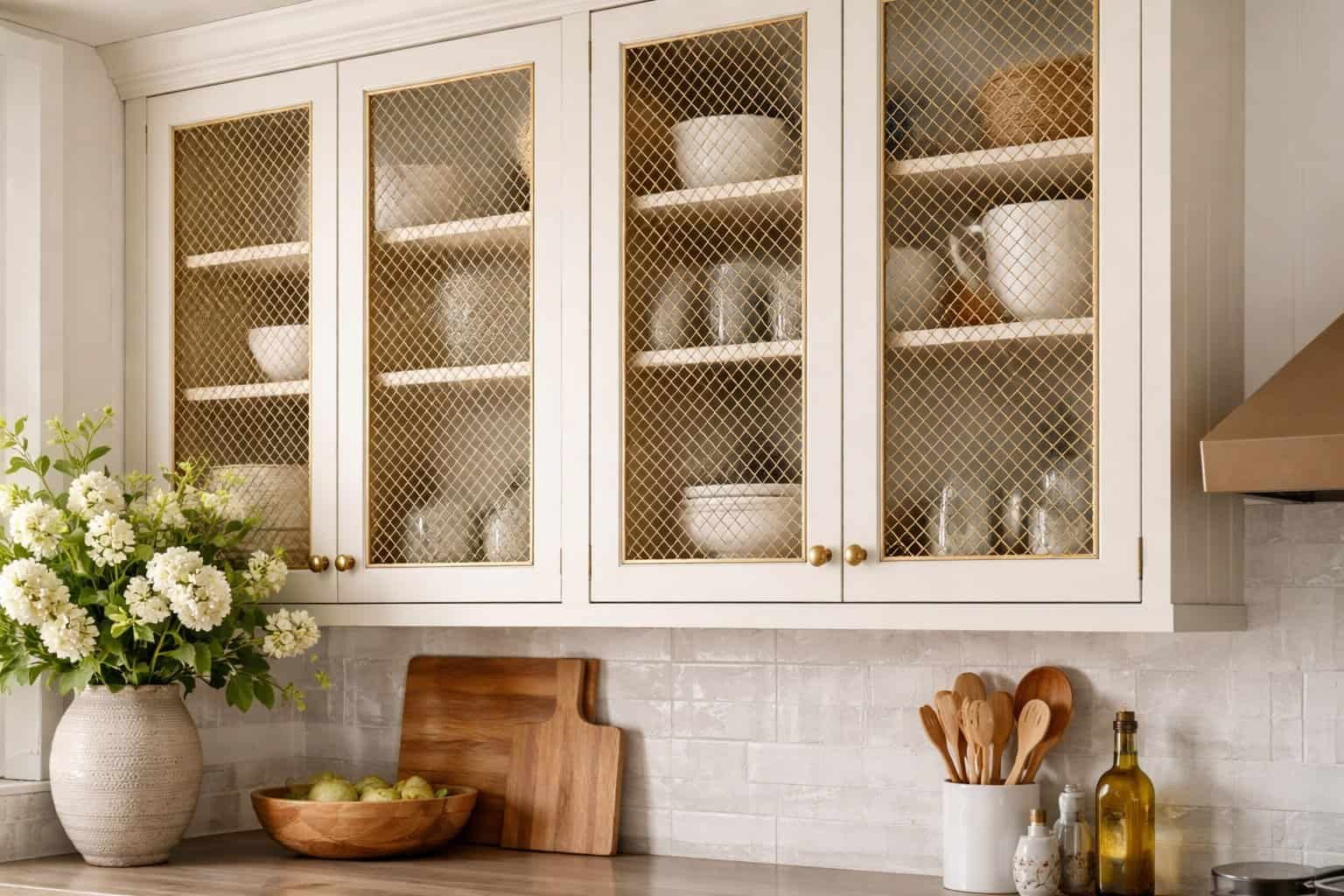

Kitchens, bars, and built-ins deserve details that feel intentional rather than ordinary. Decorative wire mesh for cabinet doors delivers texture, airflow, and character in one smart design move. Designers love it because it softens solid cabinetry, DIYers appreciate its flexibility, and homeowners enjoy the balance between display and concealment.
Glass feels formal. Solid wood feels heavy. Open shelving collects dust. Decorative wire mesh cabinet inserts sit right in the sweet spot — breathable, visually interesting, and adaptable to nearly any interior style.
In This Article
What Is Decorative Wire Mesh for Cabinet Doors?
Decorative wire mesh for cabinet doors is a metal grid or patterned sheet installed inside a cabinet frame in place of glass or wood panels. Mesh allows partial visibility while adding dimension that flat materials simply cannot achieve.
Core Characteristics
| Feature | Description | Why It Matters |
| Open Structure | Interwoven or cut metal patterns | Promotes airflow and reduces musty cabinet odors |
| Semi-Transparent | Items are visible but softened | Hides clutter without fully concealing contents |
| Textural Surface | Adds depth, shadows, and visual interest | Elevates plain cabinet doors instantly |
| Customizable Finishes | Brass, black, stainless, bronze | Matches hardware and interior style |
How It Differs from Other Cabinet Inserts
- Versus glass: Mesh feels warmer and more casual, less prone to visible fingerprints
- Versus solid panels: Reduces visual heaviness in small kitchens
- Versus open shelving: Keeps contents protected while still looking open
Home renovation trends increasingly favor layered textures over flat surfaces. Mesh inserts support that movement beautifully.
Benefits of Using Decorative Wire Mesh for Cabinet Doors
Design appeal grabs attention first. Practical advantages keep homeowners happy long-term.
Aesthetic Benefits
- Creates depth through light and shadow play
- Adds architectural character to basic cabinets
- Works in farmhouse, modern, industrial, and vintage interiors
- Breaks up long runs of flat cabinetry
Functional Benefits
- Improves air circulation inside cabinets
- Reduces moisture buildup in humid kitchens
- Lightweight compared to glass panels
- Durable and dent-resistant when properly installed
Lifestyle Advantages
| Benefit | Real-World Example |
| Visual Softening | Dark cabinets feel lighter with mesh panels |
| Clutter Camouflage | Pantry goods look organized even if mismatched |
| Safer Than Glass | Less risk of shattering in busy family kitchens |
| Pet & Kid Friendly | Harder to break than glass inserts |
Interior designer Leanne Ford once noted, “Texture makes a room feel lived-in and layered.” Decorative mesh does exactly that at cabinet level.
Popular Types of Decorative Wire Mesh for Cabinet Doors
Pattern choice influences style more than color in many cases. Each mesh type creates a distinct mood.
Woven Wire Mesh
Classic crisscross pattern made from interlaced wires.
Best for:
- Farmhouse kitchens
- Transitional spaces
- Timeless, understated texture
Perforated Metal
Flat metal sheet with evenly spaced punched holes.
Best for:
- Modern kitchens
- Minimalist interiors
- Clean, geometric design themes
Expanded Metal Mesh
Metal stretched into diamond shapes.
Best for:
- Industrial loft styles
- Garage conversions
- Bold, edgy aesthetics
Chicken Wire
Thin hexagonal mesh often used in rustic designs.
Best for:
- Cottage kitchens
- DIY budget projects
- Vintage farmhouse looks
Laser-Cut Decorative Panels
Intricate patterns cut by machines.
Best for:
- Statement cabinets
- Luxury custom kitchens
- Art-inspired interiors
Quick Comparison Table
| Mesh Type | Style Vibe | Visibility Level | Cost Range |
| Woven | Classic | Medium | $$ |
| Perforated | Modern | Low–Medium | $$ |
| Expanded | Industrial | High | $ |
| Chicken Wire | Rustic | High | $ |
| Laser-Cut | Designer | Low–Medium | $$$ |
Choice depends on how much you want to reveal inside the cabinet and the mood of the room.
How to Choose the Right Decorative Wire Mesh for Cabinet Doors
Smart selection makes the difference between a subtle upgrade and a visual mismatch. Decorative wire mesh for cabinet doors should balance visibility, scale, and finish with the rest of the room.
Key Factors to Evaluate
Pattern openness
- Tight mesh = more concealment
- Open mesh = more display and light
Hole size vs cabinet size
- Small cabinets look better with finer patterns
- Large doors can handle bold, wide openings
Color coordination
- Black mesh = modern contrast
- Brass = warmth and elegance
- Silver tones = clean and contemporary
Function of the cabinet
- Pantry: prioritize airflow
- Display cabinet: prioritize visibility
- Media unit: prioritize ventilation
Selection Guide Table
| Goal | Best Mesh Choice |
| Hide clutter | Fine woven mesh |
| Show dishes | Medium woven or perforated |
| Industrial look | Expanded metal |
| Vintage warmth | Brass woven |
| Lightweight doors | Aluminum mesh |
Tip: Hold a sample in front of your cabinet before buying. Lighting changes how the pattern appears.
How to Install Decorative Wire Mesh in Cabinet Doors
DIY installation feels manageable with the right tools and patience. Precision matters because uneven mesh stands out immediately.
Tools & Supplies
- Measuring tape
- Tin snips or metal shears
- Staple gun or brad nailer
- Safety gloves
- Sandpaper or metal file
- Trim molding (optional)
Installation Steps
Remove the cabinet door panel
Carefully detach the door and remove the existing center panel if present.
Measure and cut mesh
Cut slightly larger than the opening to allow secure fastening.
Smooth sharp edges
File edges to prevent injury.
Attach the mesh
Secure with staples, nails, or sandwich between trim strips.
Reinstall the door
Check hinge alignment and door swing.
Safety Notes
- Wear gloves when handling metal
- Use eye protection when cutting
- Keep edges covered with trim when possible
Proper installation ensures the mesh stays flat without warping.
Cost of Decorative Wire Mesh for Cabinet Doors
Pricing depends on material, pattern complexity, and finish.
Average Price Ranges
| Mesh Type | Cost Per Sq. Ft. | Budget Level |
| Chicken Wire | $1–$3 | Low |
| Expanded Metal | $3–$8 | Budget |
| Woven Wire | $7–$20 | Mid-range |
| Perforated Metal | $10–$25 | Mid-range |
| Laser-Cut Panels | $25–$60+ | Premium |
DIY vs Custom
| Option | Typical Cost | Pros | Cons |
| DIY Install | $20–$150 per door | Affordable | Requires tools |
| Custom Fabrication | $150–$400+ per door | Perfect fit | Higher cost |
Fact: Mesh inserts often cost less than glass inserts while offering better durability.
Budget-conscious homeowners can upgrade multiple cabinets for the price of replacing one door.
Maintenance and Cleaning Tips for Decorative Wire Mesh for Cabinet Doors
Proper care keeps decorative wire mesh for cabinet doors looking crisp rather than greasy or dull.
Routine Cleaning
- Use a soft brush or vacuum attachment to remove dust
- Wipe with a damp microfiber cloth
- Mild dish soap handles kitchen grease
Preventing Damage
| Issue | Prevention Method |
| Rust | Choose coated or stainless materials |
| Grease buildup | Clean monthly in kitchens |
| Scratches | Avoid abrasive pads |
| Discoloration | Use metal-safe cleaners only |
Deep Cleaning Method
Warm water + mild detergent + soft brush works well for woven mesh patterns. Dry immediately to prevent moisture spots.
Common Mistakes to Avoid When Using Decorative Wire Mesh for Cabinet Doors
Design missteps can make mesh look accidental instead of intentional.
Frequent Errors
- Choosing mesh that’s too open, exposing clutter
- Ignoring sharp cut edges
- Using heavy steel mesh on weak hinges
- Mixing finishes that clash with hardware
- Installing uneven or sagging mesh
Quick Fix Guide
| Mistake | Easy Solution |
| Too much visibility | Add a backing fabric or tighter mesh |
| Door sagging | Upgrade hinges |
| Rough edges | Add trim frame |
| Style mismatch | Repaint cabinet or change hardware |
Creative Design Ideas Using Decorative Wire Mesh for Cabinet Doors
Creative touches transform simple inserts into statement features.
Design Upgrades
- Backlighting mesh panels with LED strips
- Mixing glass + mesh in alternating doors
- Using black mesh on white cabinets for contrast
- Adding fabric backing for a softer look
- Installing mesh only on upper cabinets for balance
Visual Impact Table
| Idea | Effect |
| Backlighting | Dramatic glow at night |
| Brass mesh | Warm luxury feel |
| Pattern mixing | Designer-level detail |
| Partial use | Prevents visual overload |
Case Insight: A coastal kitchen used white cabinets with brass mesh inserts and under-cabinet lighting. Result felt airy yet elegant without expensive remodeling.
Is Decorative Wire Mesh for Cabinet Doors Right for Your Home?
Decision depends on style goals, lifestyle, and maintenance tolerance.
Pros
- Adds texture and visual depth
- Improves airflow
- Durable compared to glass
- Works across many styles
Cons
- Shows silhouettes of contents
- Needs occasional dusting
- Not fully sealed from grease in kitchens
Best Situations
| Ideal For | Less Ideal For |
| Design-focused homeowners | Ultra-minimal interiors |
| Humid kitchens | Fully concealed storage needs |
| DIY upgrades | Rental properties (if not allowed to modify) |
Homeowners wanting a balance between open shelving and closed cabinets usually find this solution perfect.
Decor inspiration and material standards for metal mesh products can be explored through resources like the Metal Construction Association, which provides guidance on metal applications in interiors and architecture: https://www.metalconstruction.org
Decorative wire mesh for cabinet doors proves that small material changes can completely transform cabinetry without full replacement. Texture, airflow, and personality come together in one smart design choice.

I’m the creator behind EasyDecora, a home–decor lover who enjoys discovering simple, beautiful ways to make every room feel cozy and intentional. I share practical tips, creative ideas, and inspiration for anyone who wants to build a home they truly love.