
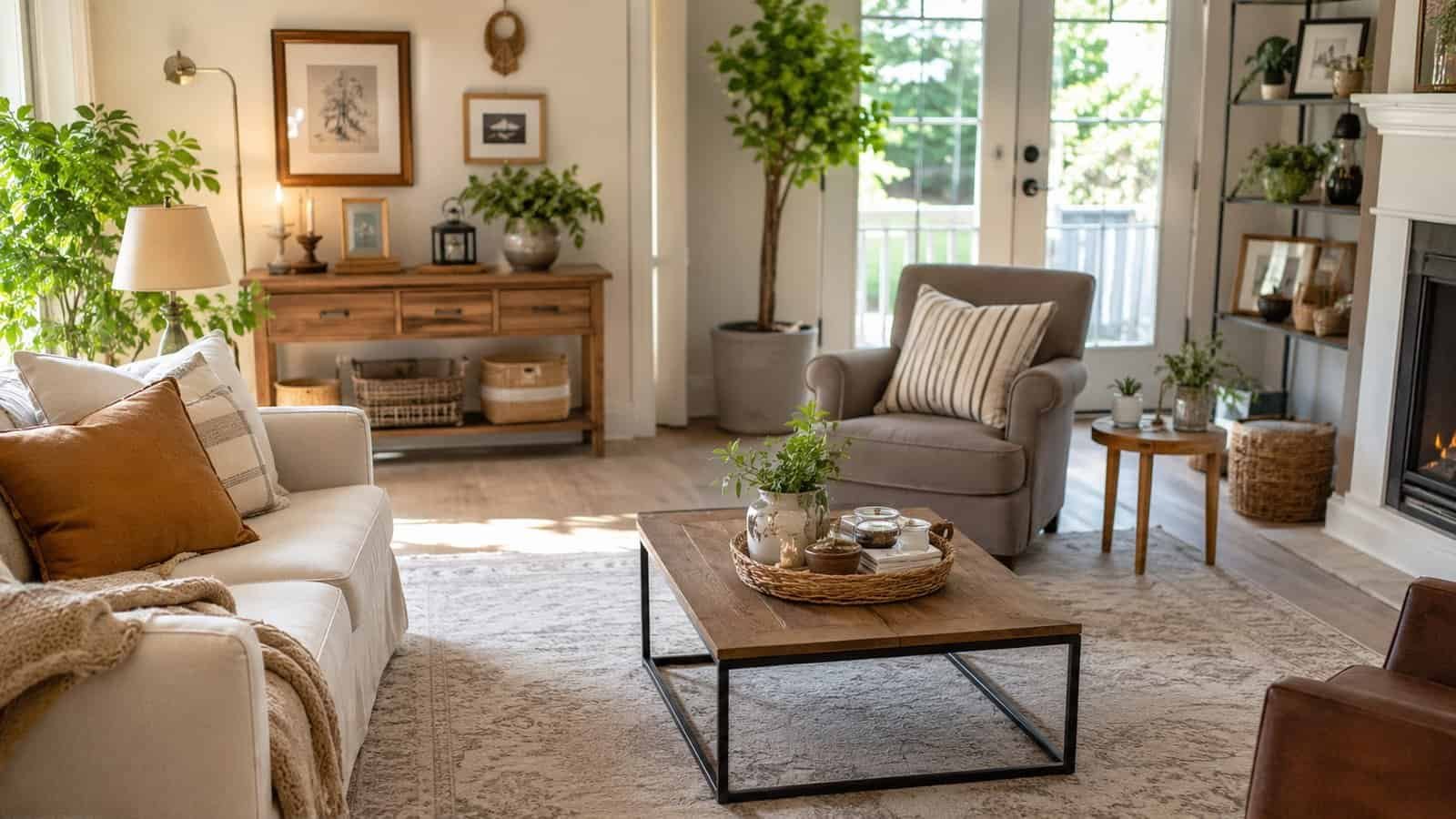

Decorating a home can get expensive fast. Between furniture, wall art, lighting, rugs, storage, and seasonal accents, even small updates add up quickly. The good news is that creating a stylish, comfortable space does not require a massive budget.
The most effective ways to save money on home decor involve planning purchases carefully, prioritizing high-impact changes, shopping strategically, and using affordable alternatives without sacrificing style. Small upgrades like paint, lighting, rearranging furniture, thrifted decor, and DIY projects often make a bigger visual difference than expensive renovations.
This guide explains how to decorate intelligently, avoid common overspending mistakes, and make your home look polished without draining your savings.
In This Article
Why Home Decor Costs Add Up So Quickly
Many people underestimate how expensive decorating can become because purchases often happen gradually. A few decorative pillows here, a lamp there, and suddenly the budget is gone.
Several factors contribute to overspending:
- Impulse purchases
- Trend-driven shopping
- Buying low-quality items repeatedly
- Decorating entire rooms at once
- Ignoring measurements and planning
- Paying full retail prices
- Choosing aesthetics over function
Learning how to approach decorating strategically can save hundreds or even thousands of dollars over time.
Quick Summary: Best Ways to Save Money on Home Decor
| Strategy | Why It Saves Money | Best For |
| Create a decor budget | Prevents overspending | Any project |
| Shop secondhand | Major discounts on quality items | Furniture and decor |
| Use paint strategically | Big visual impact for low cost | Walls and furniture |
| Decorate slowly | Avoids impulse buys | Whole-home decorating |
| DIY simple projects | Reduces labor and retail markup | Custom decor |
| Rearrange existing furniture | Free room refresh | Living rooms and bedrooms |
| Buy timeless pieces | Reduces replacement costs | Large furniture |
| Wait for seasonal sales | Saves on major purchases | Furniture and rugs |
| Mix high and low pieces | Balanced look without luxury prices | Whole-home styling |
| Prioritize lighting | Improves room appearance instantly | Any room |
Start With a Realistic Decor Budget
One of the most overlooked ways to save money on home decor is setting a clear budget before shopping.
Without spending limits, small purchases become difficult to track. A budget helps prioritize what matters most and prevents emotional buying.
How to Build a Smart Decor Budget
Break your budget into categories:
| Category | Suggested Priority |
| Essential furniture | High |
| Lighting | High |
| Storage solutions | High |
| Decorative accents | Medium |
| Seasonal decor | Low |
| Trend items | Low |
This approach keeps spending focused on items that improve daily living instead of temporary trends.
Use the “One Room at a Time” Method
Trying to decorate an entire house simultaneously usually leads to rushed decisions and overspending.
Instead:
- Choose one room
- Define its purpose
- Create a color palette
- Prioritize essentials first
- Add decorative details gradually
Decorating slowly often produces more cohesive and thoughtful spaces.
Shop Secondhand for High-Quality Decor
Secondhand shopping is one of the most effective ways to save money on home decor while still achieving a stylish look.
Many thrifted or vintage items are better made than inexpensive mass-produced furniture.
Best Places to Find Affordable Decor
Look for:
- Thrift stores
- Estate sales
- Facebook Marketplace
- Flea markets
- Consignment shops
- Garage sales
- Habitat ReStore locations
Common secondhand finds include:
- Wood furniture
- Mirrors
- Lamps
- Picture frames
- Ceramic decor
- Rugs
- Bookshelves
- Dining chairs
What to Buy Used vs. New
| Buy Used | Buy New |
| Solid wood furniture | Mattresses |
| Decorative accessories | Bedding |
| Mirrors | Certain upholstered items |
| Side tables | Electronics |
| Frames | Safety-related items |
Tips for Successful Thrifting
- Measure your space before shopping
- Inspect furniture carefully
- Look for structural quality, not cosmetic perfection
- Search regularly for the best selection
- Keep an open mind about paint or refinishing potential
A dated item with good structure can often become a beautiful custom piece.
Use Paint for Maximum Impact
Paint delivers one of the highest visual returns for the lowest cost.
A gallon of paint can completely transform:
- Walls
- Cabinets
- Furniture
- Doors
- Shelves
- Picture frames
Budget-Friendly Paint Ideas
Paint an Accent Wall
Instead of repainting an entire room, focus on one wall to create visual interest at lower cost.
Refresh Old Furniture
A worn dresser or outdated table can look modern with sanding and paint.
Paint Cabinets Instead of Replacing Them
Kitchen and bathroom cabinet replacement is expensive. Painting existing cabinets can dramatically reduce renovation costs.
Choose Timeless Paint Colors
Neutral and classic tones usually stay relevant longer than trend-heavy colors.
Popular timeless choices include:
- Warm white
- Soft greige
- Sage green
- Charcoal
- Beige
- Muted blue
Timeless colors reduce the urge to redecorate frequently.
Rearrange What You Already Own
Many homes already contain enough decor items to create a refreshed look without spending additional money.
Before buying anything:
- Move furniture into new layouts
- Swap decor between rooms
- Rotate artwork
- Change pillow combinations
- Restyle shelves
- Remove clutter
Sometimes subtraction improves a space more than adding new items.
Why Rearranging Works
A new layout changes:
- Traffic flow
- Lighting perception
- Room balance
- Focal points
This creates a “new room” feeling without any purchases.
Focus on High-Impact Decor Changes
Not every decor purchase has equal visual value.
Some upgrades dramatically improve a room while others barely get noticed.
High-Impact Changes Worth Prioritizing
| High-Impact Item | Why It Matters |
| Lighting | Affects mood and atmosphere |
| Rugs | Defines the space |
| Curtains | Adds softness and height |
| Wall art | Creates personality |
| Paint | Changes the entire room |
| Hardware | Modernizes furniture and cabinets |
Low-Impact Purchases to Limit
- Excessive small accessories
- Trendy novelty decor
- Cheap seasonal items
- Tiny decorative fillers
- Matching furniture sets
Too many small decorative objects can actually make a room feel cluttered and less intentional.
Learn Basic DIY Decor Skills
DIY projects can significantly reduce decorating costs, especially for custom-looking pieces.
You do not need advanced woodworking skills to save money.
Beginner-Friendly DIY Projects
- Floating shelves
- Painted furniture
- Canvas wall art
- Decorative trays
- Pillow covers
- Wreaths
- Picture frames
- Plant stands
When DIY Saves Money
DIY works best when:
- Materials are inexpensive
- Labor costs would otherwise be high
- The project is simple
- Tools are minimal
When DIY Can Cost More
Avoid complicated DIY projects requiring:
- Specialized tools
- Electrical work
- Plumbing
- Precision carpentry
- Large material quantities
Sometimes buying ready-made is cheaper than correcting DIY mistakes.
Buy Timeless Pieces Instead of Trends
Trend-heavy decor cycles quickly. Constantly replacing trendy items becomes expensive over time.
Timeless design tends to be more economical because it stays visually appealing longer.
Examples of Timeless Decor Choices
| Timeless | Trend-Heavy |
| Neutral sofas | Extremely bold upholstery |
| Simple wood furniture | Highly themed furniture |
| Classic lighting | Novelty fixtures |
| Minimal patterns | Ultra-trendy prints |
| Natural textures | Fast-moving aesthetics |
Use Trends in Small, Affordable Ways
Instead of investing heavily in trendy furniture, add trends through:
- Throw pillows
- Candles
- Small decor accents
- Bedding
- Artwork
These items are cheaper to replace later.
Shop During Major Sales Periods
Timing matters when buying furniture and home decor.
Retailers regularly discount seasonal inventory.
Best Times to Buy Home Decor
| Season | Best Purchases |
| January | Furniture clearance |
| Spring | Rugs and outdoor decor |
| Summer | Patio items |
| Black Friday | Electronics and decor |
| End of season | Seasonal decorations |
Avoid Full-Price Shopping
Unless an item is urgently needed, waiting for sales can produce major savings.
Many furniture retailers rotate promotions frequently.
Compare Prices Before Buying
The same decor item may appear across multiple retailers with different pricing.
Before purchasing:
- Use image search tools
- Compare shipping costs
- Check coupon extensions
- Read reviews carefully
- Look for open-box or floor models
Watch for Hidden Costs
Cheap furniture sometimes becomes expensive after:
- Shipping fees
- Assembly costs
- Poor durability
- Replacement needs
Total ownership cost matters more than the sticker price alone.
Use Lighting to Make Rooms Look Expensive
Lighting has a surprisingly large effect on how a room feels.
Poor lighting can make even expensive decor look dull.
Affordable Lighting Improvements
Layer Light Sources
Use:
- Floor lamps
- Table lamps
- Wall sconces
- Warm bulbs
Avoid relying solely on overhead lighting.
Replace Harsh Bulbs
Warm white lighting usually creates a more comfortable atmosphere than cool blue-toned bulbs.
Add Mirrors Near Windows
Mirrors reflect natural light and help rooms feel brighter and larger.
Decorate With Textiles Instead of Expensive Renovations
Textiles create warmth and style at a relatively low cost.
Examples include:
- Curtains
- Throws
- Pillows
- Rugs
- Bedding
Why Textiles Are Cost-Effective
They:
- Add color quickly
- Improve comfort
- Reduce visual emptiness
- Soften hard surfaces
- Create seasonal variation affordably
Changing textiles is much cheaper than replacing furniture.
Avoid Common Money-Wasting Decor Mistakes
Some decorating habits repeatedly lead to overspending.
Common Home Decor Mistakes
Buying Everything at Once
Rushed decorating often produces mismatched rooms and regret purchases.
Ignoring Measurements
Furniture that does not fit properly may require costly returns.
Prioritizing Appearance Over Function
Beautiful but impractical items tend to get replaced quickly.
Choosing Cheap Low-Quality Furniture
Extremely inexpensive furniture sometimes breaks faster and costs more long term.
Following Every Trend
Trend cycling encourages constant redecorating.
How to Make Cheap Decor Look More Expensive
Affordable decor can still look sophisticated with the right styling techniques.
Simple Styling Tricks
- Use fewer decorative items
- Stick to a consistent color palette
- Add texture variety
- Mix materials like wood, metal, and fabric
- Incorporate greenery
- Use larger-scale art when possible
- Keep surfaces uncluttered
Focus on Visual Balance
Well-balanced rooms often feel more luxurious than rooms filled with expensive items.
Spacing, proportion, and simplicity matter more than price tags.
Best Budget-Friendly Decor Upgrades by Room
Living Room
Affordable upgrades:
- New throw pillows
- Area rug
- Rearranged furniture
- Floor lamp
- Secondhand coffee table
Bedroom
Low-cost improvements:
- Better bedding
- Layered lighting
- Neutral curtains
- Wall art
- Decluttering
Kitchen
Budget-friendly updates:
- Cabinet paint
- Peel-and-stick backsplash
- New hardware
- Open shelving
- Under-cabinet lighting
Bathroom
Affordable refresh ideas:
- New mirror
- Updated faucet
- Fresh towels
- Shower curtain
- Storage baskets
Minimalism Can Save Significant Money
Minimalist decorating is not just an aesthetic choice. It can also reduce unnecessary spending.
A minimalist approach encourages:
- Fewer impulse purchases
- Better quality investments
- Less clutter
- More intentional decorating
Minimalism does not mean empty spaces. It means choosing items carefully and intentionally.
Best Practices for Saving Money on Home Decor
Prioritize Function First
Functional homes age better than purely trend-driven spaces.
Invest in Long-Term Pieces
Spend more on:
- Sofas
- Dining tables
- Mattresses
- Quality rugs
Save on:
- Trend accents
- Seasonal decor
- Small accessories
Track Decor Spending
Small purchases accumulate quickly. Keeping a simple spreadsheet or budgeting app can prevent overspending.
Create a Mood Board Before Shopping
Mood boards reduce random purchases by clarifying your preferred style beforehand.
FAQ About Effective Ways to Save Money on Home Decor
What is the cheapest way to update home decor?
The cheapest ways to update home decor include rearranging furniture, decluttering, painting walls, updating lighting, and using affordable textiles like pillows or curtains.
Is DIY home decor actually cheaper?
DIY decor is often cheaper for simple projects, especially when labor costs are avoided. However, complicated projects may become expensive if specialized tools or repairs are required.
Should I buy cheap furniture to save money?
Not always. Extremely cheap furniture may wear out quickly and require replacement. Mid-range or secondhand quality furniture often provides better long-term value.
How can I decorate my house on a tight budget?
Focus on one room at a time, shop secondhand, prioritize high-impact upgrades, repurpose existing items, and avoid impulse purchases.
What home decor items are worth investing in?
Items used daily and subjected to heavy wear are usually worth investing in, including sofas, mattresses, dining chairs, and quality lighting.
Final Thoughts on Effective Ways to Save Money on Home Decor
The most effective ways to save money on home decor are rarely about sacrificing style. They are about making smarter decisions, planning purchases carefully, and focusing on upgrades that create the biggest impact.
A well-decorated home does not need to be filled with expensive furniture or luxury accessories. Thoughtful layouts, strategic lighting, timeless design choices, secondhand finds, and intentional styling often create more inviting spaces than high-cost decorating.
The key is patience. Decorating slowly allows you to make better choices, avoid wasteful purchases, and create a home that feels personal, functional, and financially sustainable.

I’m the creator behind EasyDecora, a home–decor lover who enjoys discovering simple, beautiful ways to make every room feel cozy and intentional. I share practical tips, creative ideas, and inspiration for anyone who wants to build a home they truly love.