
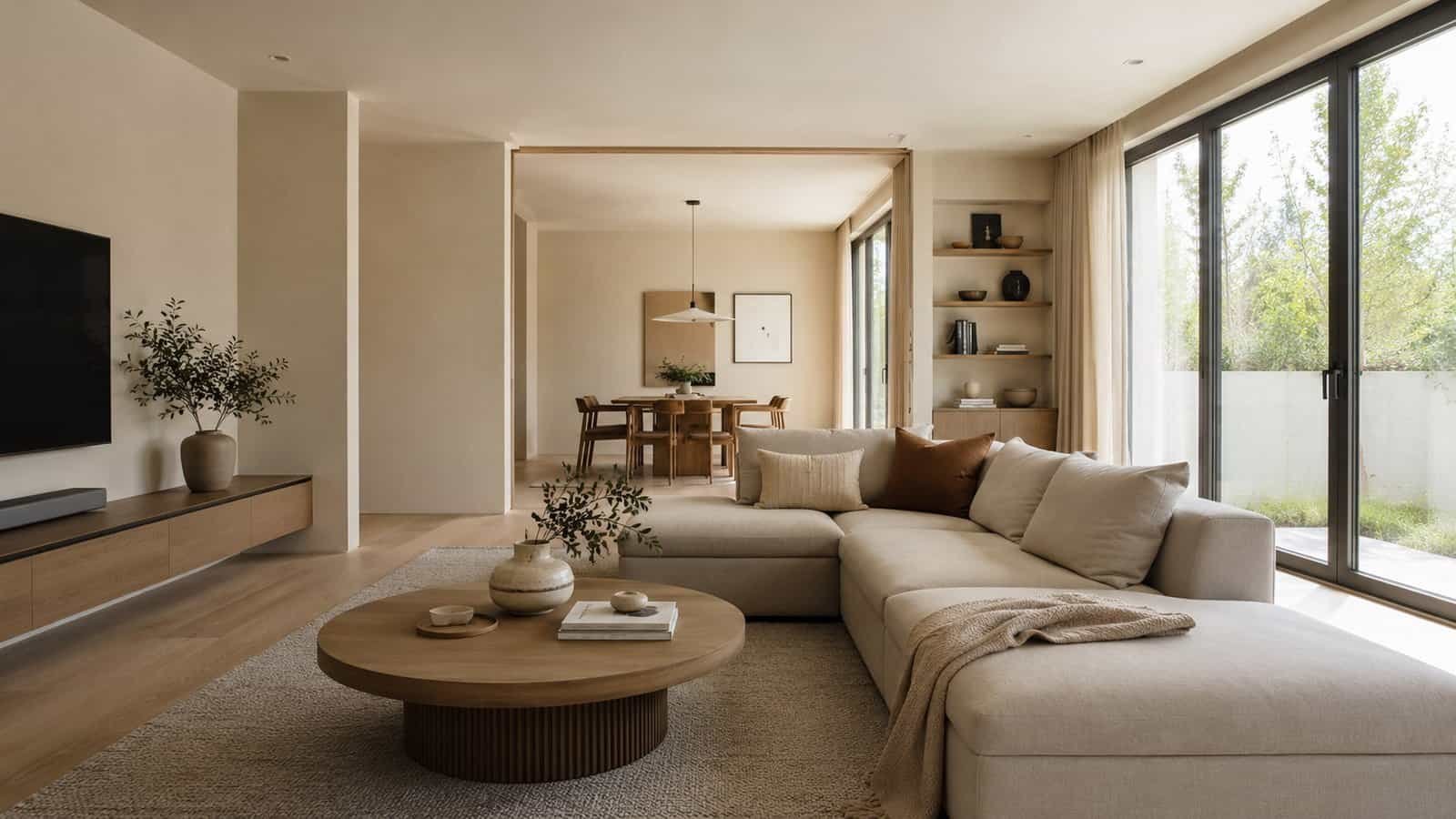

Minimalist home decor ideas continue to shape modern homes because they create spaces that feel calmer, cleaner, and easier to live in every day. A well-designed minimalist interior is not about removing personality or making a room feel empty. It is about choosing the right pieces, reducing visual clutter, and creating a home that feels intentional.
Modern homeowners are increasingly drawn to minimalist design because it blends beauty with practicality. Clean layouts, neutral palettes, and functional furniture help rooms feel larger and more relaxing without sacrificing warmth or comfort.
This guide covers practical minimalist home decor ideas for every room, common mistakes to avoid, budget-friendly styling tips, and modern trends that make minimalist spaces feel inviting rather than cold. Whether you live in a compact apartment or a spacious modern home, these ideas can help you create a timeless look that actually works for real life.
In This Article
Why Minimalist Home Decor Still Dominates Modern Interiors
Minimalism has lasted far longer than most design trends because it solves real problems in modern living. Busy schedules, smaller homes, and constant digital stimulation have pushed many homeowners toward interiors that feel more peaceful and manageable.
Modern Homes Benefit From Simplicity
Open floor plans and contemporary architecture naturally pair well with minimalist styling. Large windows, clean lines, and uncluttered layouts allow natural light and architectural features to stand out.
A minimalist room often feels:
- More spacious
- Easier to maintain
- Visually calming
- More functional for daily life
Instead of filling every corner with decor, minimalist homes focus on purposeful design. Every object earns its place.
Minimalism Is About Intentional Living
One of the biggest misconceptions about minimalism is that it means getting rid of everything. True minimalist home decor is more about intentional choices than strict limitations.
A thoughtfully designed minimalist living room may still include:
- Cozy textiles
- Personal artwork
- Statement lighting
- Decorative accents
The difference is that each item contributes to the overall atmosphere rather than competing for attention.
Why the Style Continues to Evolve
Modern minimalism no longer feels stark or overly clinical. Today’s interiors blend minimalist principles with warmth, texture, and natural materials.
Popular modern influences include:
- Japandi design
- Scandinavian minimalism
- Organic modern interiors
- Soft contemporary decor
These styles maintain simplicity while adding comfort and personality.
Minimalist Design vs Traditional Decorating
| Minimalist Design | Traditional Decorating |
| Clean lines | More decorative detailing |
| Fewer accessories | Layered decor elements |
| Neutral palettes | Richer color combinations |
| Open visual space | Fuller room styling |
| Function-first approach | Ornament-focused design |
Many homeowners now prefer the balance minimalism creates, especially in fast-paced lifestyles where clutter can quickly become overwhelming.
The Core Principles Behind Minimalist Home Decor Ideas
Successful minimalist interiors follow a few foundational principles. Understanding these basics makes decorating decisions much easier and prevents spaces from feeling unfinished.
Prioritize Quality Over Quantity
Minimalist homes rely on fewer pieces, which means every item becomes more noticeable. Cheap or poorly made furniture can quickly reduce the polished look minimalist interiors are known for.
Instead of buying multiple trendy accessories, focus on:
- Durable furniture
- Timeless materials
- Functional storage
- Statement pieces with longevity
A single well-designed chair often has more impact than several smaller decorative items.
Keep Lines Clean and Simple
Modern minimalist home decor usually emphasizes:
- Straight edges
- Smooth surfaces
- Simple silhouettes
- Uncomplicated layouts
Furniture with slim legs, low profiles, and clean geometry helps rooms feel more open and visually lighter.
Use Negative Space Intentionally
Negative space refers to the empty areas around furniture and decor. Many people feel tempted to fill every blank wall or corner, but minimalist design depends on breathing room.
Empty space helps:
- Highlight architectural details
- Reduce visual stress
- Make rooms feel larger
- Create balance throughout the home
A minimalist room should feel thoughtfully edited rather than unfinished.
Function Matters as Much as Style
Every piece should contribute something useful to the room. Functional design becomes especially important in smaller modern homes.
Smart minimalist furniture ideas include:
- Storage ottomans
- Extendable dining tables
- Floating shelves
- Beds with hidden drawers
- Modular seating
Practicality keeps minimalist spaces sustainable long term because the home remains easy to use and maintain.
Texture Replaces Excess Decoration
Minimalist homes often avoid heavy patterns and bold ornamentation. Texture becomes the key element that adds depth without clutter.
Popular texture combinations include:
- Linen and wood
- Bouclé and stone
- Matte finishes and glass
- Wool rugs and concrete accents
These subtle contrasts make neutral rooms feel layered and inviting.
Start With a Neutral Foundation That Doesn’t Feel Boring
A neutral base is one of the most effective minimalist home decor ideas because it creates flexibility, calmness, and visual consistency throughout the home. Neutral does not have to mean flat or lifeless when layered correctly.
Choose Warm Neutrals Over Harsh Whites
Bright white interiors can sometimes feel cold, especially in homes with limited natural light. Warm neutrals create a softer and more welcoming atmosphere.
Popular minimalist color choices include:
- Warm white
- Cream
- Greige
- Soft taupe
- Sand
- Muted olive
- Pale clay tones
These shades work beautifully in modern homes because they complement natural materials and contemporary finishes.
Layer Similar Tones for Depth
Minimalist spaces become more sophisticated when multiple tones of the same color family are layered together.
For example:
- Ivory walls
- Beige curtains
- Light oak furniture
- Cream upholstery
- Stone-colored textiles
This approach keeps rooms visually calm while avoiding monotony.
Texture Is What Makes Neutral Rooms Interesting
A minimalist room without texture can quickly feel sterile. Layering materials creates dimension even when the color palette stays simple.
Try combining:
- Linen curtains
- Wool rugs
- Natural wood
- Matte ceramics
- Textured plaster walls
- Soft cotton bedding
These details make minimalist decor feel warm and lived-in instead of overly staged.
Avoid the “Showroom” Look
One common mistake in modern minimalist homes is making everything match too perfectly. Real homes feel more inviting when they include slight variation and personal character.
Ways to soften minimalist interiors:
- Mix organic shapes with straight lines
- Add handmade decor pieces
- Include a few meaningful personal items
- Use natural greenery sparingly
- Blend vintage and modern furniture
Minimalist design works best when it reflects how people actually live rather than trying to imitate a furniture catalog.
Easy Neutral Color Combinations for Minimalist Homes
| Main Color | Complementary Accent | Best Room Types |
| Warm white | Light oak | Living rooms |
| Greige | Matte black | Kitchens |
| Sand beige | Olive green | Bedrooms |
| Soft taupe | Walnut wood | Dining spaces |
| Cream | Stone gray | Open-plan homes |
A thoughtfully layered neutral palette creates the perfect foundation for modern minimalist home decor that feels timeless rather than trendy.
Minimalist Living Room Decor Ideas That Feel Cozy, Not Cold
The living room is often the first place people notice when entering a home, which makes it the perfect space to embrace minimalist home decor ideas. A minimalist living room should feel open and calming while still encouraging comfort and conversation.
Choose Furniture With Simple, Low-Profile Shapes
Bulky furniture can make even large modern homes feel crowded. Minimalist interiors work best when furniture has clean lines and a lighter visual presence.
Look for:
- Sofas with slim arms
- Raised-leg furniture
- Streamlined coffee tables
- Open shelving instead of oversized cabinets
Low-profile furniture also helps ceilings appear taller and improves visual flow across the room.
Create One Strong Focal Point
Minimalist spaces become more memorable when one standout feature anchors the room. Instead of adding multiple decorative pieces, allow a single element to draw attention.
Strong minimalist focal points include:
- Oversized artwork
- Sculptural lighting
- A textured accent wall
- A statement sofa
- Large windows with natural views
Everything else should support that focal point rather than compete with it.
Keep Decor Intentional Instead of Excessive
Minimalist decorating does not mean eliminating decor completely. It means curating decor carefully.
A minimalist coffee table, for example, may only need:
- One ceramic vase
- A stacked design book
- A small candle
- A natural branch or greenery
That restrained approach keeps surfaces visually calm while still feeling styled.
Use Lighting to Add Warmth
Lighting has a huge impact on how minimalist interiors feel. Poor lighting can make clean spaces appear sterile, while layered lighting creates warmth and comfort.
Combine different light sources such as:
- Floor lamps
- Wall sconces
- Warm LED lighting
- Pendant fixtures
- Indirect ambient lighting
Soft lighting instantly makes minimalist living rooms feel more inviting.
Minimalist Living Room Styling Formula
| Element | Best Minimalist Approach |
| Sofa | Neutral color with clean silhouette |
| Coffee table | Simple shape with minimal decor |
| Rug | Large, textured, low-pattern design |
| Storage | Closed cabinets or floating shelves |
| Lighting | Warm layered lighting |
| Accent decor | Few high-quality pieces |
Add Softness Through Texture
Minimalist living rooms often succeed because of texture rather than color. A neutral room feels far richer when multiple materials interact naturally.
Easy texture combinations:
- Bouclé chairs with wood accents
- Linen curtains with stone decor
- Wool throws on sleek sofas
- Matte black lighting against soft fabrics
Those layered finishes help modern minimalist homes feel comfortable instead of overly rigid.
Modern Minimalist Bedroom Ideas for a More Relaxing Space
Bedrooms benefit enormously from minimalist design because less visual clutter often leads to a calmer atmosphere. Modern minimalist bedroom ideas focus on comfort, simplicity, and better rest.
Simplify the Layout First
One of the fastest ways to improve a bedroom is removing unnecessary furniture. Many bedrooms feel crowded because too many pieces compete for space.
A minimalist bedroom usually includes:
- A bed with clean lines
- Compact nightstands
- Limited wall decor
- Smart hidden storage
- Soft layered bedding
Creating more open floor space immediately makes the room feel calmer.
Invest in Better Bedding Instead of More Decor
Minimalist bedrooms rely heavily on textiles for warmth and comfort. High-quality bedding often has more visual impact than excessive decorative accessories.
Choose bedding with:
- Natural fabrics like linen or cotton
- Neutral layered tones
- Subtle texture variation
- Minimal patterns
A beautifully styled bed naturally becomes the focal point of the room.
Hidden Storage Keeps the Space Calm
Visible clutter quickly disrupts minimalist interiors. Smart storage solutions help maintain clean surfaces without sacrificing practicality.
Useful minimalist bedroom storage ideas:
- Under-bed storage drawers
- Floating nightstands
- Built-in wardrobes
- Storage benches
- Vertical closet organizers
The goal is not perfection. It is creating a room that feels easier to maintain daily.
Use Soft Lighting for a Relaxed Atmosphere
Bright overhead lighting rarely creates a restful bedroom environment. Layered lighting feels softer and more luxurious.
Effective bedroom lighting options include:
- Warm bedside lamps
- Wall-mounted sconces
- Dimmable lighting
- Indirect LED strips
- Pendant lights beside the bed
Lighting can completely change how minimalist decor feels at night.
Minimalist Bedroom Color Ideas
| Mood | Recommended Colors |
| Warm and cozy | Cream, taupe, sand |
| Modern and crisp | Soft white, charcoal |
| Nature-inspired | Olive, beige, clay |
| Hotel-inspired | White, greige, walnut |
Avoid Over-Decorating the Walls
Many minimalist bedrooms feel more sophisticated because they leave certain walls intentionally blank. Empty wall space allows the eye to rest and makes carefully chosen decor stand out more.
Instead of multiple small frames, try:
- One oversized artwork
- Textured wall panels
- A large fabric headboard
- A single sculptural wall light
This creates impact without visual clutter.
Minimalist Kitchen Design Tips That Maximize Style and Function
Kitchens are one of the hardest spaces to keep visually organized, which is why minimalist kitchen design continues to grow in popularity. A minimalist kitchen feels streamlined, efficient, and timeless.
Keep Countertops as Clear as Possible
Countertop clutter instantly makes kitchens feel chaotic. Minimalist kitchens work best when surfaces remain mostly open.
Only keep daily essentials visible, such as:
- A coffee machine
- Wooden cutting boards
- One utensil container
- A small fruit bowl
Everything else should have a dedicated storage space.
Prioritize Integrated Storage
Modern minimalist kitchens often rely on hidden storage to maintain clean visual lines.
Popular storage solutions include:
- Handleless cabinets
- Deep drawers
- Pull-out pantry systems
- Appliance garages
- Integrated trash storage
These features improve both aesthetics and daily functionality.
Choose Timeless Materials
Trendy finishes can date a kitchen quickly. Minimalist interiors tend to age better because they use classic materials with subtle texture and durability.
Popular minimalist kitchen materials:
- Quartz countertops
- Light oak cabinetry
- Matte black hardware
- Natural stone backsplashes
- Brushed metal finishes
Mixing a few materials thoughtfully creates depth without overwhelming the space.
Minimalist Kitchens Still Need Warmth
One mistake many homeowners make is creating kitchens that feel too cold or industrial. Warm finishes help balance sleek surfaces.
Easy ways to soften a minimalist kitchen:
- Add wood stools
- Use warm lighting
- Display ceramic pieces
- Include natural textures
- Add subtle greenery
Those details make the kitchen feel welcoming while preserving simplicity.
Best Color Schemes for Modern Minimalist Kitchens
| Style | Color Palette |
| Scandinavian minimalist | White and light oak |
| Organic modern | Beige and stone |
| Contemporary minimalist | Black, white, gray |
| Soft minimalist | Cream and warm taupe |
Open Shelving Works Best in Moderation
Open shelving can look beautiful in minimalist kitchens, but too much quickly creates visual clutter.
A balanced approach works best:
- One or two floating shelves
- Neutral dishware
- Minimal decorative objects
- Consistent color palettes
Carefully edited shelves maintain the airy look minimalist kitchens are known for without becoming messy.
The “Less But Better” Approach to Minimalist Home Decor Accessories
Accessories can either elevate a minimalist home or completely overwhelm it. The key is choosing fewer pieces with stronger visual impact rather than filling shelves and surfaces with random decor.
Focus on Purposeful Decor
Every accessory should contribute something meaningful to the room. That meaning can be practical, emotional, or visual.
Strong minimalist decor choices often include:
- Handmade ceramics
- Sculptural vases
- Large candles
- Textured trays
- Design books
- Natural branches or greenery
A carefully selected object instantly feels more sophisticated when it has room to stand out.
Work With Groups Instead of Clutter
Minimalist styling usually looks cleaner when decor is grouped intentionally rather than scattered across a room.
A simple styling formula:
- One tall object
- One medium object
- One low object
This creates balance without visual noise.
Choose Materials That Add Texture
Texture becomes especially important when using fewer decorative elements. Accessories made from natural materials help minimalist interiors feel warm and layered.
Popular minimalist decor materials:
- Travertine
- Linen
- Glass
- Clay
- Oak
- Marble
- Woven fibers
Mixing smooth and textured finishes creates visual interest while maintaining simplicity.
Avoid Tiny Decorative Items
Small accessories often create clutter faster than homeowners realize. Minimalist homes generally benefit from larger, more intentional decor pieces.
Instead of:
- Multiple tiny candles
- Small figurines
- Overcrowded shelves
Try:
- One oversized vase
- A large framed print
- A sculptural bowl
- A single statement lamp
Fewer items often create a stronger design impact.
Minimalist Decor Styling Ideas by Area
| Space | Minimalist Accessory Ideas |
| Coffee table | Tray, candle, ceramic vase |
| Entryway | Large mirror, bowl, lamp |
| Bedroom | Linen cushions, single artwork |
| Dining table | Sculptural centerpiece |
| Bathroom | Rolled towels, stone tray |
Let Empty Space Do Some Work
One of the biggest strengths of minimalist home decor ideas is restraint. Empty surfaces help beautiful objects stand out more clearly.
A shelf with three carefully chosen objects often looks far more luxurious than one packed with decorations.
Small Space Minimalist Home Decor Ideas That Make Rooms Feel Bigger
Minimalist design is especially effective in smaller homes because it improves flow, reduces visual heaviness, and helps rooms feel more open.
Choose Multi-Functional Furniture
Furniture that serves multiple purposes reduces clutter and saves valuable square footage.
Smart minimalist furniture ideas include:
- Beds with storage drawers
- Nesting tables
- Extendable dining tables
- Storage benches
- Modular sofas
- Foldable desks
Functionality becomes essential in compact modern homes.
Keep Pathways Clear
Small rooms instantly feel cramped when furniture interrupts movement. Minimalist layouts prioritize circulation and openness.
Helpful layout tips:
- Avoid oversized furniture
- Leave visible floor space
- Pull furniture slightly away from walls when possible
- Limit unnecessary side tables
Even minor spacing adjustments can make a room feel noticeably larger.
Use Mirrors Strategically
Mirrors remain one of the most effective minimalist decorating tools for small spaces.
A well-placed mirror can:
- Reflect natural light
- Expand visual depth
- Brighten dark corners
- Create the illusion of larger rooms
Oversized mirrors usually work better than several smaller ones.
Vertical Storage Helps Reduce Clutter
Storage becomes much easier when walls are used efficiently.
Minimalist vertical storage ideas:
- Floating shelves
- Wall-mounted cabinets
- Tall bookcases
- Peg rails
- Vertical closet systems
Keeping more items off the floor improves visual openness.
Best Minimalist Colors for Small Rooms
| Goal | Recommended Colors |
| Make room brighter | Warm white |
| Create softness | Cream and beige |
| Add modern depth | Light greige |
| Keep airy feeling | Pale taupe |
Dark colors can still work in minimalist interiors, but lighter palettes generally maximize openness in smaller spaces.
Reduce Visual Noise
Many small homes feel cluttered because too many finishes compete for attention.
To simplify visually:
- Stick to 2–3 core colors
- Limit strong patterns
- Keep materials consistent
- Hide cables and cords
- Reduce countertop clutter
A cohesive design language helps even tiny rooms feel more polished and spacious.
Minimalist Wall Decor Ideas for Modern Homes
Walls play a huge role in minimalist interior design because too much decoration can quickly overpower a clean aesthetic. Thoughtful wall styling creates impact while preserving openness.
Oversized Art Creates More Impact Than Busy Gallery Walls
Minimalist interiors often look best with fewer, larger pieces instead of multiple small frames.
Oversized artwork helps:
- Simplify visual focus
- Create a modern feel
- Reduce visual clutter
- Add personality without overwhelming the room
Black-and-white photography, abstract art, and textured neutral pieces work especially well in modern minimalist homes.
Texture-Based Wall Design Is Growing Fast
Minimalist homes increasingly rely on subtle texture instead of bold color or heavy ornamentation.
Popular wall texture ideas:
- Limewash paint
- Wood slat panels
- Plaster finishes
- Textured wallpaper
- Microcement surfaces
These treatments add dimension while maintaining a calm aesthetic.
Leave Some Walls Intentionally Blank
Not every wall needs decoration. Empty wall space can actually make a room feel more refined.
Minimalist interiors use blank walls to:
- Create visual breathing room
- Highlight architecture
- Improve balance
- Draw attention to focal points
Intentional simplicity often feels more sophisticated than over-decorating.
Mirrors Double as Functional Decor
Large mirrors work beautifully in minimalist homes because they combine practicality with style.
Best locations for mirrors:
- Entryways
- Dining rooms
- Narrow hallways
- Opposite windows
- Above consoles
Simple black, wood, or frameless mirrors tend to complement minimalist spaces best.
Minimalist Wall Decor Mistakes to Avoid
| Mistake | Better Alternative |
| Tiny scattered frames | One oversized artwork |
| Too many decor styles | Cohesive neutral palette |
| Overcrowded shelves | Minimal shelf styling |
| Busy patterned wallpaper | Soft textured finishes |
Architectural Details Can Become the Decor
Modern minimalist homes often use architecture itself as decoration.
Beautiful minimalist wall features include:
- Floor-to-ceiling windows
- Built-in shelving
- Arched doorways
- Wall panel molding
- Concrete finishes
Allowing these structural elements to shine naturally reduces the need for excessive decor.
Bringing Warmth Into a Modern Minimalist Home
One reason many people hesitate to embrace minimalism is the fear that their home will feel cold or impersonal. Modern minimalist home decor ideas have evolved significantly, and today’s spaces often feel warm, inviting, and deeply livable.
Blend Organic Materials With Clean Lines
Warmth usually comes from contrast. Sleek furniture feels softer when paired with natural materials.
Effective combinations include:
- Wood and stone
- Linen and metal
- Concrete and wool
- Leather and oak
These layered materials create balance without sacrificing simplicity.
Soft Lighting Changes Everything
Lighting has the power to completely transform minimalist interiors.
Warm lighting instantly makes spaces feel:
- More relaxed
- More intimate
- More luxurious
- Less sterile
Avoid overly cool white bulbs whenever possible. Soft warm lighting usually complements minimalist color palettes better.
Add Natural Elements Carefully
Plants help minimalist homes feel alive, but restraint still matters.
Popular minimalist-friendly plants:
- Olive trees
- Snake plants
- Rubber plants
- Fiddle leaf figs
- Simple eucalyptus stems
One large plant often creates more impact than several smaller ones scattered throughout a room.
Mix Soft Shapes With Structured Furniture
Many modern minimalist interiors now include curved furniture and softer silhouettes to counterbalance sharp lines.
Examples include:
- Rounded coffee tables
- Curved sofas
- Arched mirrors
- Sculptural lighting
This trend helps minimalist homes feel more approachable and comfortable.
Japandi Style Has Influenced Modern Minimalism
Japandi design combines Scandinavian simplicity with Japanese warmth and craftsmanship. It has become one of the most influential minimalist interior trends in recent years.
Key Japandi features:
- Neutral earthy palettes
- Handmade textures
- Low-profile furniture
- Natural wood tones
- Functional decor
The result feels calm, elegant, and highly livable.
Warm Minimalist Design Elements at a Glance
| Element | Warm Minimalist Option |
| Flooring | Light oak wood |
| Textiles | Linen and wool |
| Decor | Handmade ceramics |
| Lighting | Warm ambient fixtures |
| Furniture | Rounded silhouettes |
| Accent colors | Earth tones and clay |
A successful minimalist home should feel peaceful, not lifeless. Warm textures, thoughtful lighting, and natural materials help modern homes maintain simplicity while still feeling deeply welcoming.
Common Minimalist Decorating Mistakes That Make Homes Feel Lifeless
Minimalist home decor ideas work beautifully when they balance simplicity with comfort. Problems usually happen when homeowners remove too much personality or focus only on aesthetics instead of livability.
Choosing Style Over Comfort
A minimalist home should still feel enjoyable to live in every day. Some interiors look beautiful in photos but feel uncomfortable in real life.
Common examples include:
- Stiff seating
- Harsh lighting
- Cold materials everywhere
- Lack of soft textiles
- Overly empty layouts
Comfort should always remain part of the design process.
Making Everything the Exact Same Color
Neutral palettes work well in minimalist interiors, but too much sameness can flatten a room visually.
Instead of using identical shades everywhere, layer:
- Warm and cool neutrals
- Matte and textured finishes
- Natural wood tones
- Different fabric textures
Subtle variation creates depth without disrupting simplicity.
Removing Too Much Personality
Minimalism should never erase individuality. A home still needs personal character to feel authentic.
Meaningful minimalist decor ideas include:
- Framed travel photography
- Handmade ceramics
- Vintage furniture accents
- Meaningful books
- Family heirlooms displayed intentionally
Personal touches create warmth and prevent minimalist homes from feeling generic.
Ignoring Storage Planning
Minimalist homes stay visually calm because clutter is managed effectively behind the scenes. Without proper storage, surfaces quickly become overcrowded.
Prioritize storage solutions such as:
- Built-in cabinetry
- Storage ottomans
- Hidden drawers
- Closet organizers
- Multifunctional furniture
Minimalism becomes much easier to maintain when everything has a designated place.
Following Trends Too Aggressively
Trendy minimalist interiors often age quickly when they rely heavily on short-term design fads.
Timeless minimalist spaces usually focus on:
- Durable materials
- Neutral foundations
- Functional furniture
- Flexible styling
Trends work best as small accents rather than the entire design direction.
Budget-Friendly Minimalist Home Decor Ideas With High-End Appeal
Minimalist interiors often appear expensive because they look polished and intentional. Creating that look does not always require a massive budget.
Focus on Fewer, Better Upgrades
Minimalist decorating works especially well for smaller budgets because fewer items are needed overall.
Instead of buying many inexpensive accessories, prioritize:
- One quality rug
- Better lighting
- Durable curtains
- Timeless furniture
- Neutral bedding
A few strong upgrades create far more impact than overcrowding a room with decor.
Decluttering Is the Cheapest Design Upgrade
Many homes already contain too much visual noise. Removing unnecessary items instantly improves how a room feels without spending anything.
Start by clearing:
- Overcrowded shelves
- Excess pillows
- Unused furniture
- Countertop clutter
- Decorative duplicates
Rooms often look more expensive simply because they feel calmer and more organized.
Use Paint Strategically
Paint remains one of the most affordable ways to transform a space.
Minimalist-friendly paint colors include:
- Warm white
- Soft greige
- Muted beige
- Pale taupe
- Earthy clay tones
Consistent paint colors throughout the home also improve flow and visual cohesion.
Mix Affordable and Investment Pieces
Not everything needs to be high-end. A balanced mix usually creates the most natural-looking interior.
Good areas to save:
- Decorative accessories
- Side tables
- Throw pillows
- Basic shelving
Worthier long-term investments:
- Sofas
- Mattresses
- Dining tables
- Area rugs
- Lighting fixtures
Thrifted Pieces Work Surprisingly Well in Minimalist Homes
Minimalist interiors often benefit from vintage pieces because they add warmth and character.
Look for:
- Solid wood furniture
- Vintage ceramics
- Unique mirrors
- Sculptural lamps
- Woven baskets
Mixing old and new prevents minimalist spaces from feeling overly staged.
Affordable Minimalist Upgrades With Big Impact
| Budget Upgrade | Why It Works |
| Neutral paint | Creates calm visual consistency |
| Large curtains | Makes ceilings feel taller |
| Oversized mirror | Expands light and space |
| Textured bedding | Adds warmth instantly |
| Hidden storage bins | Reduces visible clutter |
Minimalist Home Decor Trends Modern Homeowners Are Loving Right Now
Minimalism continues evolving as homeowners seek spaces that feel both modern and comfortable. Current trends focus less on extreme simplicity and more on warmth, texture, and sustainability.
Soft Minimalism Is Replacing Stark Interiors
Earlier minimalist trends leaned heavily on cold white spaces and rigid styling. Today’s homes feel softer and more inviting.
Soft minimalism often includes:
- Warm neutral palettes
- Curved furniture
- Layered textures
- Cozy textiles
- Organic materials
The overall look feels relaxed while still remaining uncluttered.
Quiet Luxury and Minimalism Pair Naturally
Quiet luxury focuses on understated quality instead of flashy design. That philosophy fits perfectly with minimalist interiors.
Key quiet luxury elements:
- Natural stone
- Premium fabrics
- Timeless silhouettes
- Subtle craftsmanship
- Muted color palettes
Rather than chasing trends, homeowners are investing in pieces designed to last.
Sustainable Design Is Becoming More Important
Minimalist living naturally aligns with sustainability because it encourages thoughtful consumption.
Eco-conscious minimalist choices include:
- Vintage furniture
- Reclaimed wood
- Sustainable fabrics
- Durable long-term materials
- Energy-efficient lighting
Many homeowners now prefer buying fewer items with better longevity.
Earth Tones Are Replacing Cool Grays
Cool gray interiors dominated modern homes for years, but warmer palettes are becoming far more popular.
Trending minimalist colors include:
- Clay
- Sand
- Olive
- Mushroom
- Warm taupe
- Terracotta accents
These tones make minimalist spaces feel more grounded and welcoming.
Texture-Driven Design Continues Growing
Minimalist homes increasingly rely on texture instead of bold patterns.
Popular textures include:
- Limewash walls
- Bouclé fabrics
- Travertine stone
- Ribbed wood
- Handmade ceramics
Texture adds richness while preserving simplicity.
How to Create a Minimalist Home That Still Feels Personal
The most successful minimalist homes are not perfect showrooms. They reflect the people who live in them while maintaining clarity and balance.
Curate Instead of Eliminate
Minimalism works best when homeowners edit thoughtfully rather than remove everything blindly.
Ask questions like:
- Does this item serve a purpose?
- Does it add beauty or meaning?
- Does it improve the atmosphere of the room?
That mindset creates intentional interiors without stripping away personality.
Display Meaningful Items Selectively
A few personal objects usually create stronger emotional impact than dozens of decorative accessories.
Meaningful minimalist decor might include:
- Travel souvenirs
- Favorite books
- Handmade artwork
- Vintage family pieces
- Framed photographs
Careful placement allows those objects to stand out more naturally.
Design Around Daily Life
A beautiful minimalist home should support real routines and habits.
Think practically about:
- Storage needs
- Traffic flow
- Cleaning habits
- Family lifestyle
- Entertaining preferences
The most functional homes usually feel the most relaxing.
Let the Home Evolve Gradually
Minimalism rarely happens overnight. Many of the best interiors develop slowly over time.
Gradual decorating helps homeowners:
- Avoid impulsive purchases
- Refine personal style
- Invest more intentionally
- Build timeless spaces
Patience often leads to more authentic and cohesive interiors.
FAQ About Minimalist Home Decor Ideas
What colors work best for minimalist home decor?
Warm whites, beige, greige, taupe, soft olive, and earthy neutrals work especially well because they create calmness without making rooms feel cold.
How do you make minimalist interiors feel cozy?
Layering textures, adding warm lighting, using natural materials, and incorporating soft textiles help minimalist spaces feel more welcoming and comfortable.
Can minimalist home decor work in small apartments?
Yes. Minimalist design is ideal for smaller homes because it improves organization, reduces clutter, and helps rooms feel larger and more open.
What is the biggest mistake in minimalist decorating?
Removing too much personality is one of the most common mistakes. Minimalist homes should still feel personal and livable rather than empty or sterile.
Is minimalist home decor expensive?
Not necessarily. Minimalism often encourages buying fewer items overall, which can actually reduce decorating costs when purchases are made intentionally.
How can I start decorating my home in a minimalist style?
Start by decluttering visible surfaces, simplifying your color palette, improving storage, and investing in versatile furniture with clean lines.
Minimalist home decor ideas are ultimately about creating a home that feels calmer, easier to maintain, and more enjoyable to live in. Thoughtful simplicity can completely transform modern homes without making them feel cold or impersonal.
For additional inspiration on creating healthier and more intentional living spaces, the environmental design insights shared by Architectural Digest offer valuable ideas that align well with modern minimalist interiors.
Small changes often make the biggest difference. Start with one room, simplify gradually, and focus on creating a space that supports how you actually want to live every day.

I’m the creator behind EasyDecora, a home–decor lover who enjoys discovering simple, beautiful ways to make every room feel cozy and intentional. I share practical tips, creative ideas, and inspiration for anyone who wants to build a home they truly love.