
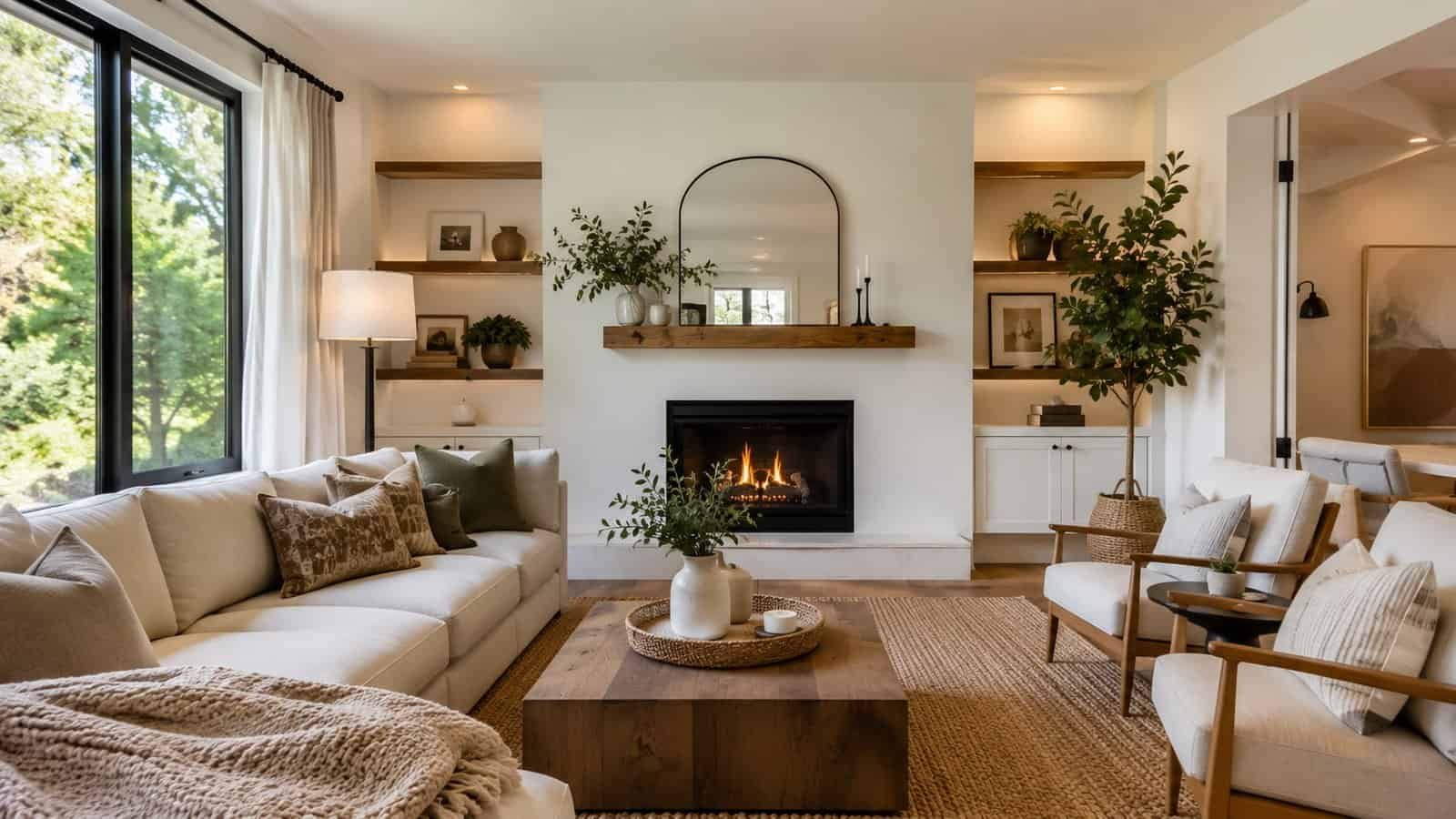

Freshening up your space does not require a full renovation or an expensive shopping spree. The best easy home styling ideas often come from small, intentional changes that improve light, balance, texture, and comfort. A few smart styling updates can completely shift the mood of a room and make it feel brighter, calmer, and more inviting.
This guide covers practical ways to refresh your home using affordable decor tricks, designer-inspired styling habits, and room-by-room ideas that actually work in real homes. Whether you want to update a small apartment, revive a tired living room, or simply make your home feel more current, these ideas will help you create a cleaner and more polished look without overwhelming the space.
In This Article
Why Some Rooms Instantly Feel Fresh and Inviting
Some homes immediately feel airy, welcoming, and visually calm. Others feel cluttered or outdated even when they are clean. The difference usually comes down to styling choices rather than square footage or expensive furniture.
Fresh Rooms Prioritize Breathing Space
A well-styled room gives the eye space to rest. Furniture placement, decor balance, and lighting all work together to create a sense of openness.
Rooms often feel fresher when they include:
- Open pathways instead of crowded layouts
- Natural light or layered lighting
- A limited but intentional color palette
- Texture variety without visual clutter
- Decor that feels edited rather than excessive
Minimal does not always mean empty. A fresh-looking room still feels lived in and comfortable.
Visual Weight Changes Everything
Heavy furniture, dark corners, bulky curtains, and overcrowded shelves can make a room feel tired. Fresh interiors usually distribute visual weight more evenly.
Here’s a quick comparison:
| Makes a Room Feel Heavy | Makes a Room Feel Fresh |
| Dark oversized furniture | Balanced furniture placement |
| Too many small decor pieces | Fewer statement accents |
| Harsh overhead lighting | Soft layered lighting |
| Thick dark curtains | Light-filtering fabrics |
| Cluttered surfaces | Styled but functional surfaces |
Small adjustments often make a bigger impact than buying entirely new furniture.
Fresh Homes Feel Personal, Not Perfect
Many professionally designed spaces look beautiful online but feel cold in real life. A room feels more inviting when it reflects personality and daily habits.
Framed travel photos, favorite books, handmade ceramics, or vintage finds can make a room feel authentic. Styling works best when beauty and practicality coexist.
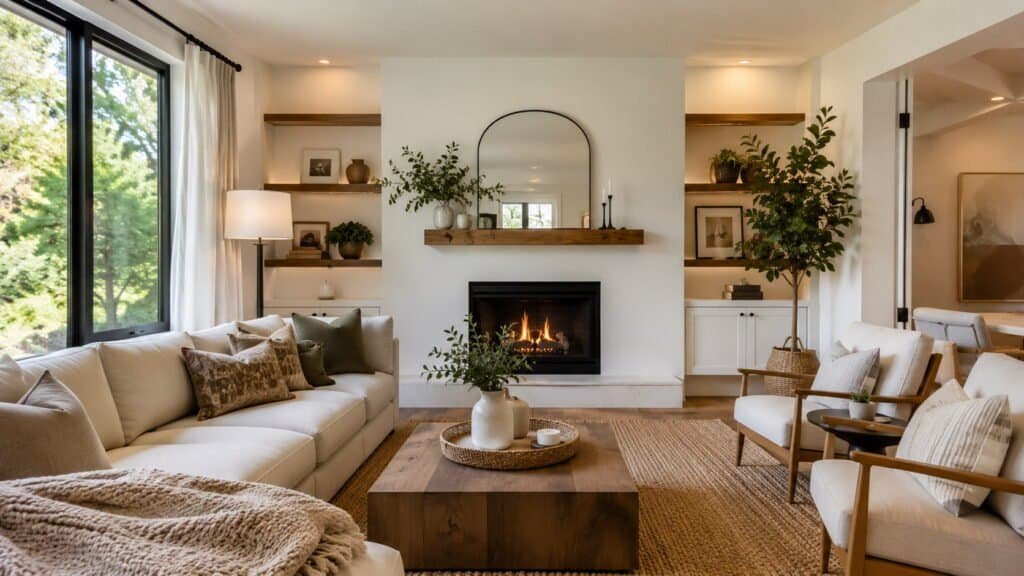
Start With a Quick Reset Before You Style
Jumping straight into decorating usually leads to clutter. The smartest easy home styling ideas begin with resetting the space first.
Declutter Without Making the Room Feel Empty
Decluttering does not mean removing everything. Focus on eliminating items that interrupt the room visually or serve no purpose.
Start with:
- Extra throw pillows
- Old magazines or paperwork
- Unused baskets and trays
- Decor that no longer matches the room
- Tangled cords or unnecessary electronics
A cleaner foundation makes every styling decision look more intentional.
Rearrange Furniture Before Buying Anything
Many rooms look completely different after a furniture shift. Moving a sofa closer to the center, repositioning a chair near a window, or removing one unnecessary side table can instantly improve flow.
Pay attention to:
- Walking paths
- Natural light exposure
- Conversation areas
- Focal points like windows or artwork
Even a small adjustment can make a cramped room feel significantly larger.
Use the “Edit First, Buy Later” Method
One of the most common decorating mistakes is buying more decor before evaluating what already exists.
Before shopping, try:
- Moving accessories between rooms
- Restyling bookshelves
- Swapping lamps or artwork
- Rotating seasonal textiles
- Removing half the decor temporarily
Rooms often feel fresher simply because they are less crowded.
Create a Simple Styling Base
Professional-looking interiors usually start with a calm base layer. Neutral foundations allow accents and textures to stand out naturally.
A strong base often includes:
- Solid-colored curtains
- Neutral rugs
- Clean-lined furniture
- Warm white walls
- Simple bedding or upholstery
That foundation gives you flexibility to refresh the room seasonally without redesigning everything.
Easy Home Styling Ideas That Transform a Room in One Afternoon
Refreshing a room does not have to become a weekend-long project. Some of the most effective styling updates take less than an hour.
Swap Out Soft Textures for an Instant Refresh
Textiles dramatically affect how a room feels. Replacing heavy or outdated fabrics can brighten a space immediately.
Easy updates include:
- Linen pillow covers
- Lightweight throws
- Neutral curtains
- Textured bedding
- Woven rugs
Mixing textures creates depth while keeping the room visually soft and inviting.
Use Mirrors to Multiply Light
Mirrors are one of the oldest designer tricks for making rooms look fresher and larger.
Placement matters more than size. Position mirrors:
- Across from windows
- Near table lamps
- Behind dining areas
- In narrow hallways
Natural light reflection instantly lifts darker spaces and creates a more open atmosphere.
Style Surfaces With the Rule of Three
Coffee tables, shelves, and consoles often become clutter magnets. A simple grouping strategy makes them look polished without feeling staged.
A balanced surface might include:
- One tall object
- One organic element
- One smaller decorative item
Example:
- Vase with branches
- Stacked books
- Candle or ceramic bowl
Odd-number groupings usually feel more natural to the eye.
Add Greenery Even if You’re Not a Plant Person
Plants make interiors feel alive and layered. Even one small plant can soften a room and improve visual freshness.
Low-maintenance options include:
- Snake plants
- Pothos
- ZZ plants
- Olive branches
- Eucalyptus stems
High-quality faux greenery also works well when styled sparingly.
Upgrade Small Details Most People Ignore
Tiny updates often create the biggest visual difference.
Focus on:
- Cabinet hardware
- Lampshades
- Light switch covers
- Faucet finishes
- Picture frames
These subtle details modernize a room without requiring major renovation costs.
Try a One-Day Styling Refresh Checklist
Use this quick plan to refresh almost any room:
| Quick Styling Task | Estimated Time |
| Remove clutter from surfaces | 15 minutes |
| Rearrange decor accents | 20 minutes |
| Add greenery or branches | 10 minutes |
| Change pillow covers | 15 minutes |
| Adjust lighting placement | 10 minutes |
| Rotate artwork or mirrors | 20 minutes |
Small styling improvements add up quickly when layered together thoughtfully.
The Color Tricks Designers Use to Make Spaces Feel Cleaner and Brighter
Color quietly shapes the entire mood of a room. Even beautiful furniture can feel dull when paired with the wrong palette. Fresh interiors usually rely on colors that reflect light, create balance, and support the overall atmosphere instead of overpowering it.
Soft Neutrals Create a Calm Foundation
Bright white walls are not the only path to a fresh-looking home. Warm neutrals often feel softer and more welcoming.
Popular designer-approved neutrals include:
- Warm beige
- Creamy white
- Soft greige
- Pale taupe
- Light sand tones
These shades help rooms feel brighter while avoiding the cold feeling that stark white sometimes creates.
Strategic Accent Colors Add Energy Without Chaos
Fresh rooms rarely use too many bold colors at once. Instead, they introduce small moments of contrast through carefully chosen accents.
Great accent options include:
- Sage green
- Dusty blue
- Terracotta
- Charcoal
- Muted olive
Accent colors work best when repeated subtly throughout the room rather than appearing in only one place.
Example:
- Sage pillows
- Green artwork details
- Small ceramic vase
- Olive-toned throw blanket
That repetition creates visual harmony.
Seasonal Color Swaps Make Rooms Feel New Again
One of the easiest home styling ideas is rotating smaller decor pieces throughout the year.
Instead of redesigning entire rooms, switch:
- Pillow covers
- Throws
- Table linens
- Decorative branches
- Candle colors
Here’s a simple seasonal approach:
| Season | Fresh Styling Colors |
| Spring | Soft green, cream, pale blush |
| Summer | Sand, white, light blue |
| Autumn | Rust, olive, warm brown |
| Winter | Charcoal, ivory, deep green |
Small seasonal shifts keep interiors feeling updated without creating clutter.
Use Dark Colors More Intentionally
Dark tones are not the enemy of fresh interiors. Poor balance is usually the issue.
Deep colors work beautifully when paired with:
- Good lighting
- Natural textures
- Warm metallics
- Light flooring or rugs
- Clean-lined furniture
A dark accent wall behind neutral furniture can actually make a room feel more sophisticated and layered.
Color Flow Helps the Whole Home Feel Cohesive
Homes often feel visually stressful when every room uses completely unrelated colors.
A cohesive home palette does not mean everything must match. It simply means the colors transition naturally from one room to another.
An easy formula:
- Choose one dominant neutral
- Add two supporting accent colors
- Repeat them throughout the home in different ways
That consistency creates a polished look without making rooms feel identical.
Easy Home Styling Ideas for Small Spaces That Feel Cramped
Small rooms can feel stylish, open, and inviting when every piece serves a purpose. Fresh styling is often even more important in compact homes because clutter becomes noticeable much faster.
Create Visual Height With Curtains and Vertical Decor
Low ceilings make rooms feel compressed. Hanging curtains higher instantly changes proportions and draws the eye upward.
For best results:
- Mount curtain rods close to the ceiling
- Use floor-length curtains
- Choose lightweight fabrics
- Keep curtain colors close to wall colors
Tall bookshelves, vertical artwork, and slim mirrors also help create height visually.
Avoid Furniture That Overwhelms the Room
Oversized furniture is one of the biggest small-space mistakes. Large sectionals and bulky coffee tables eat up visual breathing room.
Instead, choose:
- Furniture with visible legs
- Rounded edges
- Slim silhouettes
- Multi-purpose pieces
- Open shelving instead of massive cabinets
Furniture that appears lighter visually helps the entire room feel more spacious.
Use Negative Space Intentionally
Fresh rooms are not filled wall-to-wall with decor. Empty space actually helps important pieces stand out.
Leave breathing room:
- Around furniture
- On shelves
- Between wall art
- On countertops
A room with fewer but better-styled objects almost always feels larger.
Reflective Surfaces Brighten Tight Spaces
Glossy, mirrored, or glass surfaces bounce light naturally around the room.
Helpful additions include:
- Glass coffee tables
- Metallic accents
- Mirrored trays
- Reflective lighting
- Gloss-finish ceramics
Too many reflective surfaces can feel cold, so balance them with softer textures like linen or wood.
Smart Storage Keeps Small Rooms Fresh
Storage matters more than decor in compact spaces. Visible clutter immediately shrinks a room visually.
Useful storage-friendly styling ideas:
- Decorative baskets
- Storage ottomans
- Floating shelves
- Hidden drawer organizers
- Benches with storage underneath
Stylish storage allows the room to stay functional without looking messy.
Small Rooms Benefit From Fewer Decor Pieces
Trying to “fill” a small room usually backfires. A few larger accents often work better than many tiny objects.
Instead of:
- Ten small frames
- Multiple tiny candles
- Several decorative figurines
Try:
- One oversized artwork piece
- One statement lamp
- One large plant
That approach feels cleaner and more modern.
Layering Textures: The Secret to a Cozy but Fresh Look
A room without texture often feels flat even when the furniture is beautiful. Texture creates warmth, dimension, and softness that make spaces feel professionally styled.
Why Texture Matters More Than Expensive Decor
Luxury interiors rarely rely on color alone. Texture is what gives rooms richness and depth.
Examples of texture combinations:
- Linen curtains with wood furniture
- Woven baskets beside smooth ceramics
- Chunky knit throws on sleek sofas
- Matte walls with metallic accents
Those contrasts create visual interest naturally.
Mix Natural Materials for a More Relaxed Feel
Natural materials instantly make interiors feel calmer and fresher.
Easy combinations include:
- Oak wood + linen
- Rattan + cotton
- Stone + warm metal
- Ceramic + glass
Organic textures soften modern spaces and prevent rooms from feeling sterile.
Use Layering to Make Neutral Rooms Feel Rich
Neutral spaces sometimes feel boring because they lack texture variation.
A neutral room becomes more inviting when layered with:
- Bouclé chairs
- Textured pillows
- Woven rugs
- Ribbed ceramics
- Matte finishes
- Soft throws
Texture adds personality without overwhelming the palette.
Balance Smooth and Rough Surfaces
Rooms feel more dynamic when different finishes interact with each other.
A balanced room might include:
- Smooth marble table
- Rough woven basket
- Soft fabric sofa
- Matte black lamp
- Natural wood accents
Too many similar finishes can make a room feel one-dimensional.
Budget-Friendly Ways to Add Texture
Refreshing texture does not require designer furniture.
Affordable upgrades include:
- Pillow covers
- Textured lamp shades
- Woven trays
- Linen table runners
- Layered rugs
- Handmade pottery
Thrift stores and artisan markets are excellent places to find unique textured pieces that feel more personal than mass-produced decor.
Texture Should Support Comfort, Not Just Style
Fresh interiors are not only beautiful to look at. They should feel comfortable to live in daily.
Soft blankets, cozy seating, breathable fabrics, and warm materials help rooms feel relaxing instead of overly styled. The best easy home styling ideas combine practicality with visual warmth so the home feels effortless rather than staged.
Refreshing Your Living Room Without Buying New Furniture
A living room often starts feeling stale simply because the layout and styling never change. Refreshing the space does not always require replacing major furniture pieces. Smart rearranging and intentional styling can completely shift the atmosphere.
Restyle Shelves Instead of Filling Every Inch
Overpacked shelves create visual noise. A cleaner arrangement instantly modernizes the room.
A simple shelf styling formula:
- Books stacked horizontally and vertically
- One organic object like greenery or branches
- A mix of tall and low decor
- Empty space between groups
Removing even 30% of existing decor can make shelves feel more curated and expensive.
Move Accessories Between Rooms
One of the easiest home styling ideas costs nothing at all: shop your own home.
Try moving:
- Lamps from bedrooms to living spaces
- Dining chairs into corners as accent seating
- Decorative bowls or trays onto coffee tables
- Artwork into unexpected rooms
Familiar pieces suddenly feel new in different surroundings.
Create a Strong Focal Point
Fresh living rooms usually guide the eye toward one clear feature.
Popular focal points include:
- Large artwork
- A fireplace
- Oversized mirrors
- Statement lighting
- A styled media wall
Without a focal point, rooms can feel visually scattered.
Adjust Lighting for a Softer Mood
Lighting dramatically changes how clean and inviting a room feels.
A single overhead light often creates:
- Harsh shadows
- Flat surfaces
- Cold atmosphere
Layer lighting instead with:
- Floor lamps
- Table lamps
- Wall sconces
- Warm bulbs
Warm white lighting generally feels softer and more relaxing than cool-toned bulbs.
Style Coffee Tables With Purpose
Coffee tables work best when styled practically rather than overcrowded.
An easy arrangement might include:
- A tray
- One candle
- A small plant
- Two or three books
That setup feels polished while still leaving usable space.
Refresh the Room With Fabric Changes
Changing textiles instantly alters the personality of a living room.
Quick updates:
- Replace dark pillow covers
- Add lighter curtains
- Introduce textured throws
- Swap heavy rugs for lower-pile options
Fabric changes are especially effective during seasonal transitions.
Easy Home Styling Ideas Inspired by Boutique Hotels and Modern Cafés
Boutique hotels and thoughtfully designed cafés often feel calm, stylish, and memorable because every detail works together intentionally. You can recreate that same atmosphere at home without making your space feel overly formal.
Focus on Atmosphere Before Decor
Beautiful spaces are usually designed around how they feel, not just how they look.
Boutique-inspired interiors often prioritize:
- Soft lighting
- Comfortable seating
- Calm color palettes
- Layered textures
- Pleasant scent
That combination creates an environment people naturally want to stay in longer.
Use Lighting Like a Designer
Hotels rarely rely on bright ceiling lights alone. Instead, they use layered lighting to create warmth and depth.
Try combining:
- Small table lamps
- Wall sconces
- Accent lighting
- Candles
- Dimmable bulbs
Lower, warmer lighting instantly makes rooms feel more sophisticated.
Add One Signature Element Per Room
Professionally styled spaces often include one memorable feature.
Examples:
- Oversized artwork
- Sculptural lighting
- A dramatic mirror
- A textured headboard
- An eye-catching chair
One strong statement piece usually works better than multiple competing accents.
Keep Surfaces Calm and Intentional
Modern cafés and hotels rarely overload tables and countertops with decor.
Fresh styling often means:
- Fewer visible objects
- Hidden storage
- Organized trays
- Carefully grouped accessories
Countertops feel more luxurious when only a few beautiful essentials remain visible.
Introduce Scent as Part of the Design
Fresh homes engage more than visual senses. Scent quietly shapes how a space feels emotionally.
Popular home scents include:
- Cedarwood
- Linen
- Citrus
- Sandalwood
- Eucalyptus
Candles, diffusers, and fresh flowers can make a room feel instantly more polished and welcoming.
Blend Minimalism With Comfort
Ultra-minimal spaces sometimes feel cold. Boutique-inspired homes usually soften clean lines with texture and warmth.
Balance modern simplicity using:
- Layered bedding
- Linen fabrics
- Warm woods
- Rounded furniture
- Soft neutral tones
That combination creates rooms that feel elegant but still livable.
The Most Overlooked Details That Make a Home Feel Updated
Many rooms fail to feel fresh because of small details people stop noticing over time. Addressing those overlooked elements can dramatically improve the entire home.
Curtains Hung Too Low Shrink the Room
Curtain placement changes room proportions more than most people realize.
For a taller, brighter look:
- Mount rods higher than the window frame
- Extend curtains wider than the window
- Use full-length panels
This simple adjustment instantly creates a more polished appearance.
Rug Size Can Make or Break a Space
Tiny rugs are one of the most common styling mistakes.
A properly sized rug should:
- Extend under furniture
- Anchor the seating area
- Create visual balance
Here’s a quick guide:
| Room | Ideal Rug Placement |
| Living room | Front legs of furniture on rug |
| Bedroom | Extend beyond bed edges |
| Dining room | Chairs remain on rug when pulled out |
Larger rugs often make rooms feel more expensive and cohesive.
Mismatched Lighting Temperatures Feel Unsettling
Using different bulb tones in one room creates inconsistency.
For a softer, fresher look:
- Stick to warm white lighting
- Replace overly cool bulbs
- Use dimmers where possible
Lighting consistency helps the entire home feel calmer.
Empty Corners Need Purpose
Bare corners can make rooms feel unfinished.
Simple solutions:
- Tall plant
- Reading chair
- Floor lamp
- Slim shelving
- Decorative stool
Even subtle additions help balance the room visually.
Hardware Quietly Dates a Space
Old cabinet handles and outdated finishes can age kitchens and bathrooms quickly.
Affordable updates:
- Matte black pulls
- Brushed brass hardware
- Minimalist handles
- Modern faucets
Small hardware changes often deliver surprisingly high visual impact.
Entryways Set the Tone for the Entire Home
The entrance creates the first impression.
Fresh entryway styling ideas:
- Mirror for light reflection
- Slim console table
- Woven basket storage
- Simple artwork
- Small table lamp
Even compact entryways benefit from intentional styling.
Budget-Friendly Styling Swaps That Look Surprisingly Expensive
A polished home does not require luxury-level spending. Many high-end interiors rely on smart styling decisions rather than costly furniture.
Focus on High-Impact, Low-Cost Updates
Certain upgrades visually transform rooms without major investment.
Affordable changes with strong impact:
- New pillow covers
- Updated curtains
- Larger artwork
- Fresh paint
- Modern lamps
These small swaps often create more change than expensive renovations.
Use Peel-and-Stick Materials Strategically
Modern peel-and-stick products have improved dramatically in quality.
Popular options include:
- Wallpaper
- Tile backsplashes
- Cabinet finishes
- Floor tiles
Used carefully, they can refresh outdated areas without permanent remodeling.
Thrifted Pieces Add Character
Homes feel more layered and personal when everything is not purchased from the same store.
Look for:
- Vintage mirrors
- Wooden stools
- Ceramic vases
- Framed art
- Brass accents
Secondhand pieces often introduce warmth and individuality that newer mass-produced decor lacks.
Spend More on Items You Touch Daily
Budget decorating works best when priorities are clear.
Worth investing in:
- Sofas
- Mattresses
- Dining chairs
- Quality rugs
- Good lighting
Better quality basics elevate the entire home experience.
Save Money on Trend-Driven Decor
Trends change quickly, so inexpensive accessories make more sense for seasonal experimentation.
Smart areas to save:
- Throw pillows
- Decorative objects
- Trendy colors
- Small accent furniture
- Seasonal decor
That flexibility allows your home to evolve naturally over time.
Expensive-Looking Homes Usually Share These Habits
Luxury interiors often succeed because they maintain consistency and restraint.
Common traits include:
- Clean surfaces
- Cohesive color palettes
- Layered lighting
- Natural textures
- Fewer but larger decor pieces
A thoughtfully edited room almost always looks more refined than one filled with excessive decor.
Easy Home Styling Ideas for Every Season
Seasonal styling keeps a home feeling current without requiring a complete redesign several times a year. Small adjustments in texture, color, and decor can completely shift the mood of a room.
Spring Styling Should Feel Light and Airy
Spring interiors benefit from freshness and softness rather than excessive decoration.
Simple spring updates:
- Fresh flowers or greenery
- Lightweight linen fabrics
- Pale neutral pillow covers
- Clear glass decor
- Natural woven textures
Opening up visual space matters just as much as adding decor.
Summer Rooms Feel Better With Less Visual Weight
Heavy fabrics and dark accessories can make rooms feel warmer than necessary.
For a relaxed summer atmosphere:
- Store thick blankets temporarily
- Use breathable cotton textiles
- Introduce sandy or coastal-inspired tones
- Keep surfaces cleaner and simpler
Natural sunlight becomes part of the styling during summer months, so avoid blocking windows unnecessarily.
Autumn Styling Works Best With Warm Texture
Fall decor often becomes cluttered quickly when every surface gets decorated.
Instead of overcrowding the room:
- Add warm-toned throws
- Use wood accents
- Introduce earthy ceramics
- Layer subtle candlelight
- Bring in textured fabrics
Warmth feels more sophisticated when applied gradually.
Winter Decor Can Still Feel Fresh
Winter interiors do not need to feel dark or heavy.
A balanced winter look includes:
- Soft layered lighting
- Cozy textures
- Neutral bedding
- Deep green or charcoal accents
- Warm metallic details
Fresh winter styling focuses on comfort without sacrificing openness.
Rotate Decor Instead of Constantly Buying More
Many stylish homes simply rotate existing pieces seasonally.
Store and reintroduce:
- Pillow covers
- Decorative branches
- Table linens
- Throws
- Candles
Rotating decor keeps rooms visually interesting while preventing clutter accumulation.
How to Create a Home Style That Still Feels Personal
A beautifully styled home should reflect the people living in it. Trend-focused interiors sometimes look impressive online but feel disconnected in daily life.
Mix Trends With Meaningful Pieces
The most memorable homes combine modern styling with personal character.
Meaningful decor might include:
- Travel souvenirs
- Family heirlooms
- Handmade pottery
- Vintage books
- Framed personal photography
Personal objects create warmth that purely trend-based decor often lacks.
Avoid Making Every Room Look Identical
Consistency matters, but excessive matching can make a home feel staged.
Instead:
- Repeat colors subtly
- Vary textures room to room
- Mix old and new furniture
- Use different accent materials
That variety gives the home personality while maintaining cohesion.
Build Your Style Gradually
Many professionally designed homes evolved over time rather than being completed in one shopping trip.
A slower approach allows you to:
- Learn what you genuinely enjoy
- Avoid impulse purchases
- Invest in better-quality pieces
- Create a more layered look
Rushed decorating often leads to clutter and trend fatigue.
Keep Function at the Center of Styling
Beautiful homes still need to support real daily routines.
Ask practical questions:
- Is there enough lighting where you read?
- Are storage solutions easy to access?
- Can guests move comfortably through the room?
- Do fabrics suit your lifestyle?
The best easy home styling ideas improve both appearance and usability.
Imperfection Makes Rooms Feel More Relaxed
Perfectly symmetrical or overly staged spaces can feel intimidating rather than welcoming.
A casually draped throw, stacked books, or slightly imperfect arrangement often makes rooms feel more approachable and authentic.
Homes should feel lived in, not preserved like a showroom.
Fresh Room Styling Inspiration You Can Try This Weekend
Refreshing a room becomes much easier when you focus on small wins instead of dramatic makeovers. Even a few intentional updates can shift the energy of a space quickly.
Try a 10-Minute Refresh in Each Room
Short styling sessions often prevent overwhelm.
Quick ideas:
- Clear one cluttered surface
- Rotate accessories
- Add fresh greenery
- Restyle pillows
- Adjust lighting placement
Tiny improvements create momentum.
Use This One-Room Refresh Checklist
Before buying anything new, work through this list:
| Styling Update | Impact Level |
| Remove unnecessary decor | High |
| Improve lighting | High |
| Add texture variety | Medium |
| Rearrange furniture | High |
| Introduce greenery | Medium |
| Replace outdated textiles | High |
Rooms usually need editing more than additional decoration.
Focus on Mood Instead of Perfection
Fresh homes feel relaxing because they support comfort, movement, and daily life naturally.
Rather than chasing trends constantly, prioritize:
- Calm layouts
- Comfortable seating
- Warm lighting
- Balanced colors
- Personal details
That approach creates spaces that stay timeless longer.
Small Changes Often Create the Biggest Difference
A new lamp, better curtain placement, or decluttered shelf may seem minor individually. Combined together, those updates can completely transform how a room feels.
Consistency matters more than dramatic renovation projects.
FAQ
What are the easiest home styling ideas for beginners?
Start with decluttering, improving lighting, changing pillow covers, adding greenery, and rearranging furniture. Small adjustments often make the biggest visual impact.
How can I make my house look fresh on a budget?
Focus on affordable updates like paint, textiles, secondhand decor, better lighting, and simple styling edits. Avoid overcrowding rooms with too many accessories.
What colors make a room feel fresh and modern?
Soft neutrals, warm whites, sage green, muted earth tones, and light natural shades tend to make rooms feel brighter and more inviting.
How do I refresh my living room without buying new furniture?
Rearrange furniture, remove excess decor, update lighting, rotate accessories from other rooms, and switch out textiles like pillows or curtains.
What makes a home look professionally styled?
Balanced layouts, layered textures, cohesive color palettes, intentional lighting, and carefully edited decor usually create a professionally styled appearance.
How often should you refresh home decor?
Small seasonal updates every few months help keep rooms feeling current without requiring major redesigns or unnecessary spending.
For more guidance on creating comfortable and visually balanced interiors, the design resources from American Society of Interior Designers offer helpful professional insights:
Refreshing your home does not require perfect design skills or a huge decorating budget. The most effective easy home styling ideas come from thoughtful choices that improve comfort, light, flow, and personality little by little.
Start with one room, make a few intentional updates, and pay attention to how the space feels afterward. Small styling improvements often create the kind of fresh, welcoming atmosphere people notice immediately.

I’m the creator behind EasyDecora, a home–decor lover who enjoys discovering simple, beautiful ways to make every room feel cozy and intentional. I share practical tips, creative ideas, and inspiration for anyone who wants to build a home they truly love.