
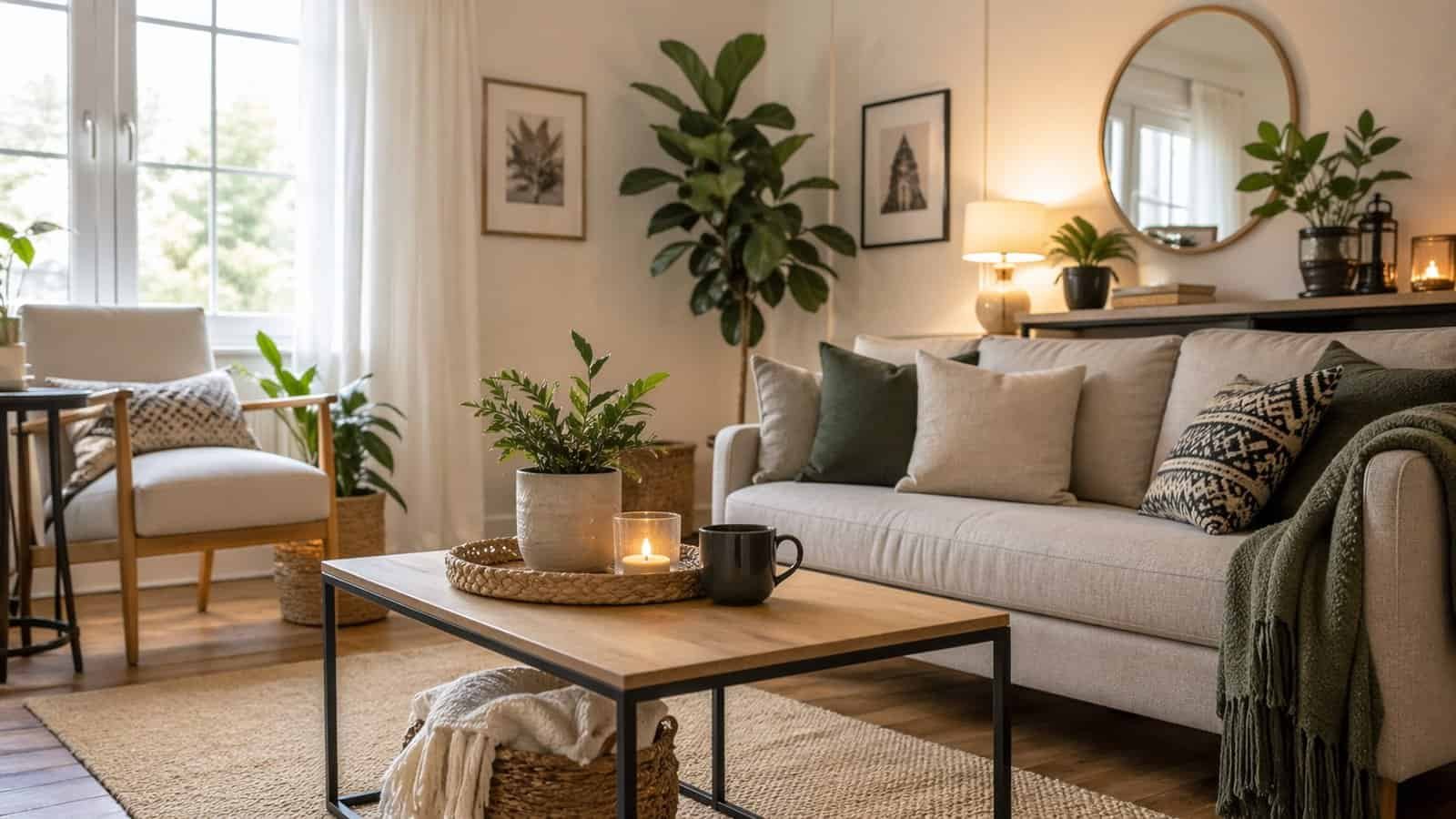

Creating a beautiful home doesn’t require a big budget or professional skills—easy home decorating ideas for beginners can completely transform your space with just a few thoughtful changes. If you’ve ever felt overwhelmed by where to start, you’re not alone.
This guide breaks everything down into simple, practical steps you can actually follow. You’ll learn how to start small, avoid common mistakes, and create a home that feels intentional, stylish, and uniquely yours—without overcomplicating the process.
In This Article
Why Starting Small Is the Secret to Great Home Decorating
Jumping into decorating with big, ambitious plans often leads to frustration. A better approach? Start small and build confidence with quick wins.
Small changes allow you to:
- See immediate results
- Experiment without risk
- Avoid costly mistakes
- Develop your personal style over time
Think of decorating like layering an outfit. You don’t wear everything at once—you build it piece by piece.
What “Starting Small” Looks Like in Practice
Instead of redesigning your entire living room, try:
- Swapping out cushion covers
- Moving furniture to improve flow
- Adding a single statement piece (like a lamp or artwork)
These small upgrades create momentum. Once you see progress, decorating becomes exciting instead of overwhelming.
Easy Home Decorating Ideas for Beginners: Where Should You Start?
The hardest part of decorating is often the beginning. Without a clear starting point, it’s easy to feel stuck.
Focus on One Space First
Choose one area instead of your whole home:
- A corner of your living room
- Your bedside table
- A small dining area
Focusing on a single space helps you stay organized and see results faster.
Define Your Goal (Before Buying Anything)
Ask yourself:
- Do you want your space to feel cozy, modern, minimal, or vibrant?
- What’s currently missing—comfort, color, or personality?
Clarity here prevents unnecessary purchases and keeps your design consistent.
Beginner’s Quick Start Checklist
| Step | What to Do | Why It Matters |
| Pick a space | Start small | Reduces overwhelm |
| Set a mood | Cozy, clean, bold | Guides decisions |
| Declutter | Remove excess items | Creates a clean base |
| Add 1–2 decor items | Keep it simple | Builds confidence |
A focused approach makes decorating feel manageable—and much more enjoyable.
The “Less Effort, More Style” Rule (Beginner-Friendly Decorating Mindset)
Many beginners assume that more decor equals better design. In reality, simplicity often looks more polished and intentional.
Why Simple Spaces Feel More Stylish
A clean, uncluttered space:
- Highlights key decor pieces
- Feels calm and inviting
- Looks more “put together”
Overdecorating, on the other hand, can make a room feel chaotic—even if the items are beautiful individually.
Avoid Clutter, Create Purpose
Every item in your space should have a role:
- Functional (like lighting or seating)
- Decorative (like art or plants)
If something doesn’t add value, it likely adds clutter.
The 80/20 Decorating Rule
A helpful principle for beginners:
- 80% of your space = neutral, simple, functional
- 20% = personality and decorative accents
This balance keeps your home visually appealing without feeling overwhelming.
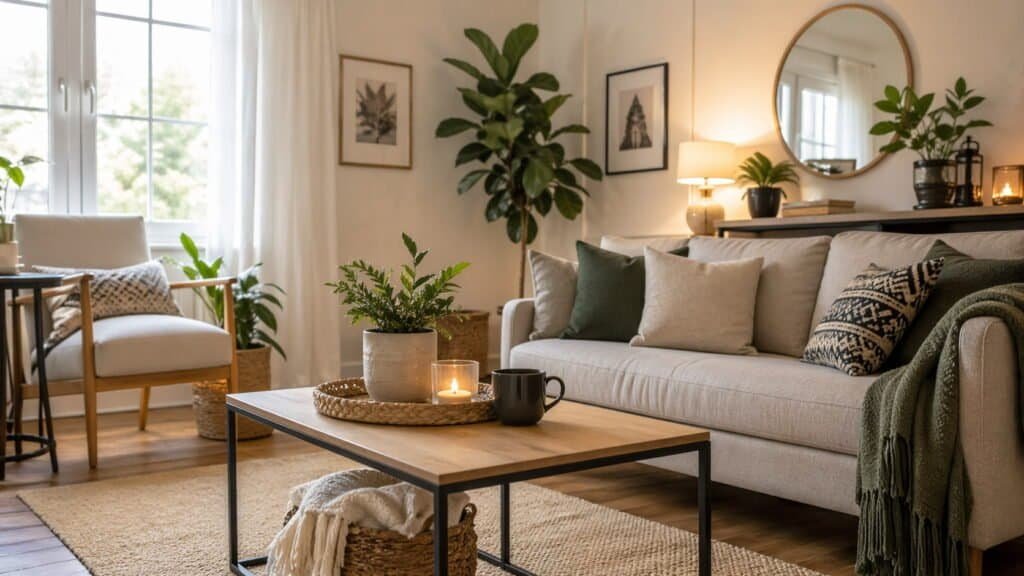
Quick Wins: Easy Home Decorating Ideas You Can Do in a Day
Not every upgrade requires time, money, or effort. Some of the best easy home decorating ideas for beginners are quick changes you can complete in just a few hours—and the results are surprisingly impactful.
Rearrange Furniture for Better Flow
A simple layout shift can make a room feel larger and more functional.
Try this:
- Pull furniture slightly away from walls
- Create clear walking paths
- Angle a chair or table for a more dynamic look
Tip: Stand at your doorway and observe how the room feels. If it looks cramped or awkward, a small rearrangement can fix it instantly.
Swap Textiles for an Instant Refresh
Soft furnishings are one of the easiest ways to update a space.
Focus on:
- Cushion covers in new colors or patterns
- Lightweight throws for texture
- Curtains that let in more natural light
These swaps are affordable but dramatically change the mood of a room.
Use Mirrors to Open Up Space
Mirrors reflect light and create the illusion of a larger room.
Best placements:
- Opposite a window to maximize brightness
- Above a console or sofa
- In narrow spaces like hallways
Upgrade Lighting Without Renovation
Lighting often gets overlooked, yet it completely shapes how a space feels.
Quick ideas:
- Replace harsh bulbs with warm-toned ones
- Add a floor or table lamp
- Use layered lighting instead of relying on one overhead light
Even one new light source can make your room feel more inviting.
Color Made Simple: How to Pick a Palette Without Overthinking
Color choices can feel intimidating, especially if you’re worried about making mistakes. The good news? You don’t need to be a designer to get it right.
The Easiest Way to Choose Colors
Start with a simple formula:
- One dominant neutral (white, beige, gray)
- One secondary color
- One accent color
This keeps your space cohesive without looking boring.
Beginner-Friendly Color Combinations That Always Work
| Base Color | Pair With | Add Accent |
| White | Light wood tones | Soft green |
| Beige | Warm browns | Terracotta |
| Gray | Black or navy | Mustard yellow |
These combinations are safe, stylish, and easy to build around.
Use Color in Small, Low-Risk Ways
If you’re unsure, avoid painting walls right away. Instead:
- Add colored cushions or throws
- Use artwork to introduce tones
- Try decorative objects like vases or candles
This approach lets you experiment without commitment.
Wall Magic: Simple Ways to Transform Blank Walls
Empty walls can make a home feel unfinished. The right wall decor brings personality and balance—even with minimal effort.
Create a Gallery Wall (The Easy Way)
You don’t need design skills to make this work.
Keep it simple:
- Stick to 2–3 frame styles
- Use a consistent color palette
- Lay out your arrangement on the floor before hanging
A well-arranged gallery wall adds instant character.
Try Peel-and-Stick Solutions
Temporary decor is perfect for beginners or renters.
Options include:
- Peel-and-stick wallpaper
- Wall decals or murals
- Removable art prints
They’re easy to apply—and just as easy to remove.
Go Big with a Statement Piece
Sometimes, less really is more. One large artwork can:
- Anchor the room
- Draw attention
- Replace the need for multiple smaller items
This works especially well above sofas, beds, or dining tables.
Budget-Friendly Decorating Hacks That Look Expensive
Creating a stylish home doesn’t mean spending a lot. Some of the most impressive spaces rely on smart, budget-friendly decorating choices that elevate the overall look without draining your wallet.
Shop Smarter, Not More
Instead of buying everything new, look for:
- Thrift stores and local markets
- Online marketplaces for secondhand finds
- Seasonal sales for decor staples
Often, unique pieces with character look more expensive than mass-produced items.
Repurpose What You Already Own
Before buying anything, take a fresh look at what you have.
Simple ideas:
- Turn a tray into a coffee table centerpiece
- Use baskets as decorative storage
- Restyle bookshelves with fewer, more intentional items
A new arrangement can make old items feel brand new.
Focus on High-Impact, Low-Cost Upgrades
Certain changes give you the most visual return for minimal cost:
- Swapping cabinet handles or drawer knobs
- Updating lampshades
- Adding a stylish rug
Small details like these create a more polished, cohesive look.
Easy Home Decorating Ideas for Beginners Using Textures
Color gets a lot of attention, but texture is what makes a room feel rich and inviting. Even a neutral space can feel warm and layered when textures are used effectively.
Why Texture Matters More Than You Think
A room without texture can feel flat, even if the colors are beautiful. Texture adds:
- Depth and dimension
- Visual interest without clutter
- A cozy, lived-in feel
How to Mix Textures the Easy Way
You don’t need to overthink it. Start with a simple mix:
- Soft: cushions, throws, rugs
- Natural: wood, rattan, linen
- Smooth: glass, metal, ceramics
Combining these creates balance and keeps your space visually engaging.
Easy Texture Additions for Beginners
Try incorporating:
- A layered rug setup (or one textured rug)
- Linen or cotton curtains
- Woven baskets for storage
- Knitted or faux fur throws
These elements are subtle, but they make a noticeable difference.
Styling Like a Pro: The “Rule of Three” Explained Simply
Professional-looking spaces often follow simple styling principles. One of the easiest to apply is the rule of three—and it works almost everywhere.
What Is the Rule of Three?
Grouping items in sets of three creates a natural, balanced look. Odd numbers tend to feel more organic and less rigid than even groupings.
Where to Use It
This rule works perfectly for:
- Coffee tables
- Shelves
- Nightstands
- Entryway consoles
How to Apply It Without Overthinking
Create a group of three items with variation:
- Different heights
- Different shapes
- Slightly varied textures
Example:
- A small plant
- A stack of books
- A candle or decorative object
Common Styling Mistakes to Avoid
- Using items that are too similar in size
- Overcrowding the space
- Ignoring negative space (empty space is important)
A well-styled surface feels intentional, not busy.
Lighting Tricks That Instantly Upgrade Any Room
Lighting has the power to completely transform how your home looks and feels. Many beginners rely on a single ceiling light, but layered lighting is what creates a warm, inviting atmosphere.
Understand the Three Types of Lighting
A well-lit space combines:
- Ambient lighting – your main light source (ceiling fixtures)
- Task lighting – focused light for activities (desk or reading lamps)
- Accent lighting – decorative light (lamps, wall lights, LED strips)
Using all three adds depth and flexibility to your space.
Choose the Right Bulb Temperature
Light color affects mood more than most people expect:
| Light Type | Effect | Best For |
| Warm white | Cozy, relaxing | Living rooms, bedrooms |
| Cool white | Bright, clean | Kitchens, workspaces |
Warm lighting is generally safer for beginners—it instantly makes a room feel more comfortable.
Affordable Lighting Ideas That Work
- Add a floor lamp in a dark corner
- Use table lamps for softer light layers
- Install LED strips behind shelves or TVs
Lighting upgrades are simple, but they deliver high visual impact.
Bringing Life Into Your Space: Decorating with Plants
Plants are one of the easiest ways to make a home feel fresh and alive. Even a single plant can change the entire mood of a room.
Beginner-Friendly Indoor Plants
If you’re new to plant care, start with low-maintenance options:
- Snake plant
- Pothos
- ZZ plant
These require minimal attention and thrive in various conditions.
Real vs. Faux Plants: What’s Better?
Both options work—it depends on your lifestyle:
- Real plants: natural, air-purifying, more organic feel
- Faux plants: zero maintenance, long-lasting, great for busy schedules
High-quality faux plants can look surprisingly realistic.
Where to Place Plants for Maximum Impact
- Corners that feel empty
- Coffee tables or shelves
- Near windows for natural light
Grouping plants in different sizes creates a more dynamic look.
Beginner Mistakes That Make a Home Look Unfinished
Even with great ideas, a few common mistakes can hold your space back. Avoiding these will instantly improve your results.
Overcrowding the Space
Too many decor items create visual clutter.
Give your pieces room to “breathe” so they stand out.
Ignoring Scale and Proportion
Furniture and decor should match the size of your room:
- Small rug in a large room → feels disconnected
- Oversized decor in a small space → feels overwhelming
Balance is key.
Poor Lighting Choices
Harsh or insufficient lighting can make even a well-decorated room feel uninviting.
Layering light solves this instantly.
Lack of Cohesion
Mixing too many styles or colors without a plan leads to a chaotic look.
Stick to a consistent palette and theme.
Easy Room-by-Room Decorating Ideas (Mini Guide)
Different spaces need different approaches. Here’s how to apply easy home decorating ideas for beginners throughout your home.
Living Room
- Add layered lighting and textured cushions
- Use the rule of three on coffee tables
- Anchor the space with a rug
Bedroom
- Focus on soft textures (bedding, throws)
- Use warm lighting for a relaxing vibe
- Keep decor minimal for a calm atmosphere
Kitchen
- Add small decor like jars, trays, or plants
- Use open shelves for styled storage
- Keep surfaces clean and uncluttered
Bathroom
- Introduce fresh towels and simple accessories
- Add a plant or candle for a spa-like feel
- Use baskets for stylish storage
Visual Inspiration: 3 Simple Styles Beginners Can Copy
Choosing a style makes decorating easier. These beginner-friendly looks are simple, timeless, and easy to recreate.
Minimalist: Clean and Clutter-Free
- Neutral color palette
- Functional furniture
- Minimal decor
Perfect if you want a calm, organized space.
Cozy Modern: Warm and Inviting
- Soft textures and warm lighting
- Neutral base with subtle accents
- Comfortable, lived-in feel
Great for creating a welcoming home.
Scandinavian-Inspired: Light and Airy
- White or light-toned walls
- Natural materials like wood and linen
- Simple, practical decor
This style balances simplicity with warmth.
Final Thoughts: Build Confidence One Small Change at a Time
Decorating your home doesn’t have to be complicated. The best results come from small, intentional changes that build over time. Focus on one area, experiment with simple ideas, and refine your style as you go.
Confidence grows with action. The more you try, the more you’ll understand what works for your space.
For deeper insight into how your environment affects mood and well-being, you can explore this helpful resource from the American Psychological Association:
https://www.apa.org/monitor/2015/03/home-environment
FAQ: Easy Home Decorating Ideas for Beginners
What is the easiest way to start decorating a home?
Start with one small area, declutter it, and add a few intentional decor pieces like cushions, lighting, or plants.
How can I decorate my home on a low budget?
Use what you already have, shop secondhand, and focus on small upgrades like textiles, lighting, and rearranging furniture.
How do I choose a decorating style as a beginner?
Pick a simple style like minimalist or Scandinavian, then stick to a consistent color palette and materials.
What makes a home look professionally decorated?
Balanced layouts, proper lighting, cohesive colors, and thoughtful styling (like the rule of three) make a big difference.
How long does it take to decorate a home?
There’s no fixed timeline—most people improve their space gradually over weeks or months by making small changes.
Ready to transform your space? Start with one small change today—rearrange a corner, add a new texture, or upgrade your lighting—and watch how quickly your home begins to feel more stylish and inviting.

I’m the creator behind EasyDecora, a home–decor lover who enjoys discovering simple, beautiful ways to make every room feel cozy and intentional. I share practical tips, creative ideas, and inspiration for anyone who wants to build a home they truly love.