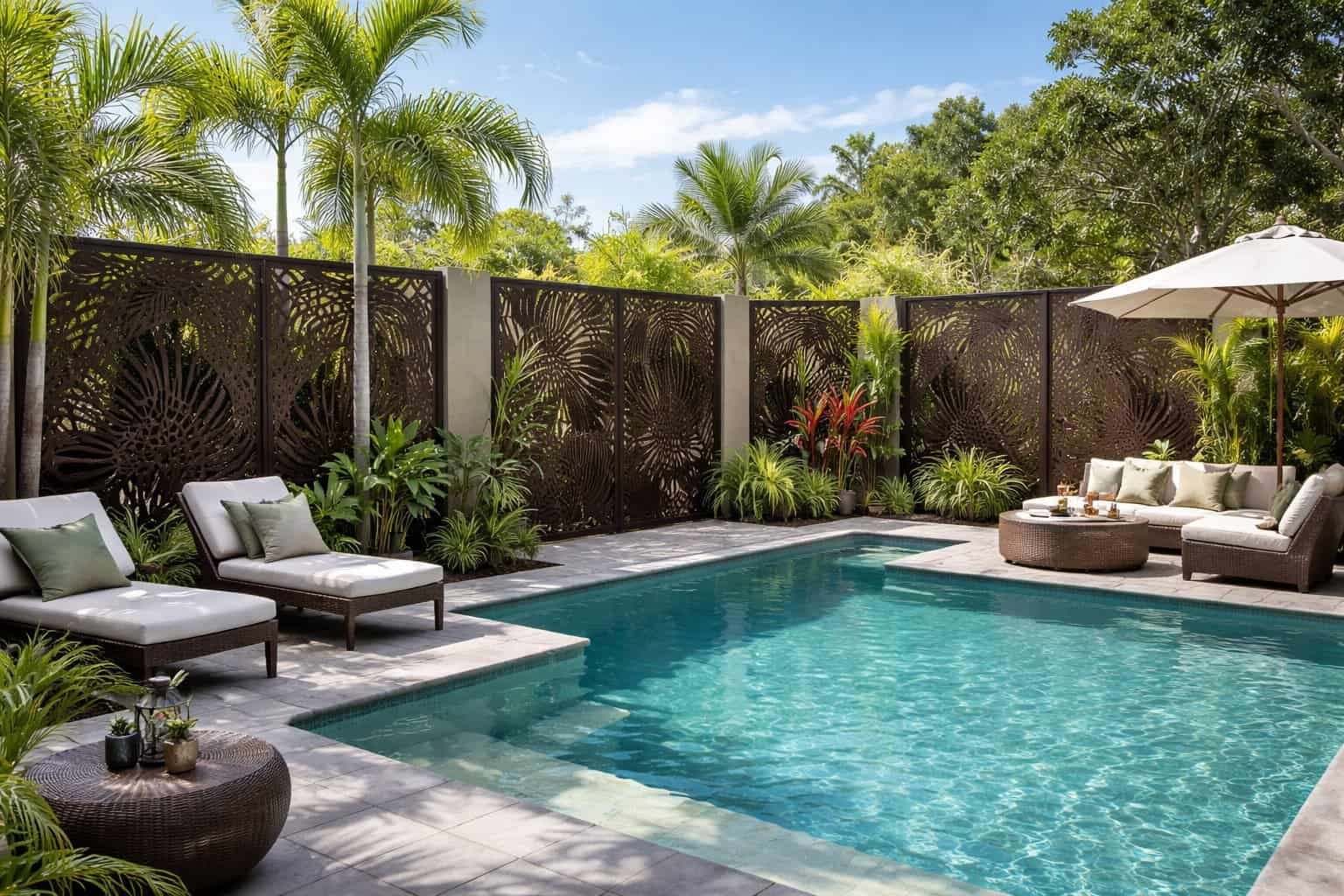

A decorative privacy screen for pool enclosure does far more than block unwanted views. It transforms an ordinary swimming area into a peaceful, stylish retreat while improving comfort, safety, and visual appeal. Many homeowners today are investing in privacy screens not only to create a secluded environment but also to enhance the overall design of their outdoor living space.
Pool areas are naturally social, exposed spaces. Neighbors, nearby buildings, and street views can make relaxation feel less private. A well-designed screen adds a protective layer without making the space feel closed off. Done right, it becomes a design feature that complements landscaping, seating zones, and architecture.
Growing interest in backyard upgrades has made privacy screens one of the most practical additions for pool owners. Outdoor living trends show a shift toward creating resort-like environments at home, where comfort and aesthetics blend seamlessly. A thoughtfully chosen privacy solution can increase property value, elevate design, and make every swim feel more enjoyable.
Key roles of a decorative privacy screen include:
- Creating a visual barrier without sacrificing beauty
- Defining different zones around the pool
- Reducing glare and wind exposure
- Enhancing the luxury feel of the outdoor space
Designers often describe privacy screens as the “frame” of a pool area. Without them, the space may feel exposed. With them, the area feels intentional, intimate, and complete.
In This Article
Benefits of Installing a Decorative Privacy Screen for Pool Enclosure
A decorative privacy screen for pool enclosure offers a mix of practical and aesthetic benefits. It serves homeowners who value both comfort and design detail.
Enhanced privacy from neighbors and passersby
Privacy remains the most obvious benefit. Pools are often positioned in open yards where surrounding homes have clear sightlines. Strategic placement of screens protects personal space and allows people to relax freely.
Benefits of improved privacy include:
- More comfort while swimming or sunbathing
- Reduced visibility from upper-floor windows nearby
- A quieter, more peaceful environment
- Less distraction from outside activity
A well-positioned screen can block direct lines of sight without making the area feel enclosed.
Improved visual appeal and backyard ambiance
A decorative screen acts as a design statement. Whether modern metal panels or natural wood slats, these elements add texture and personality.
Popular design effects include:
- Creating a resort-style backdrop
- Highlighting plants and landscaping features
- Adding depth and dimension to flat walls
- Enhancing lighting effects at night
Outdoor design experts often emphasize that layered spaces feel more inviting than fully open layouts.
Wind and sun protection
Screens also serve functional purposes beyond privacy. Positioned correctly, they can reduce wind exposure and filter harsh sunlight.
Advantages include:
- Less debris blowing into the pool
- More comfortable seating areas
- Shade during peak sun hours
- Protection for outdoor furniture
Research shows that wind barriers can reduce wind speed by up to 30–50% when properly installed, improving comfort in exposed yards.
Creating a relaxing resort-like atmosphere
Luxury hotels often use partitions and screens to create semi-private cabanas. The same idea works at home.
Features that enhance the experience:
- Defined lounging zones
- Cozy corners for reading or relaxing
- Elegant backdrops for evening lighting
- Visual separation from functional areas
A simple addition can make the pool area feel like a personal retreat rather than just an open backyard feature.
Types of Decorative Privacy Screen for Pool Enclosure
Different homeowners have different needs. Choosing the right type depends on layout, budget, and design preference. Some screens are permanent installations, while others offer flexibility.
Fixed panels vs. movable screens
Each option serves a different purpose depending on how the space is used.
| Feature | Fixed Panels | Movable Screens |
| Stability | Very strong | Moderate |
| Flexibility | Permanent placement | Easy to reposition |
| Maintenance | Low | Medium |
| Ideal for | Long-term privacy | Changing layouts |
| Cost | Higher upfront | Often lower initially |
Fixed panels suit homeowners who want a permanent design solution. Movable screens work well for seasonal adjustments or flexible seating arrangements.
Freestanding vs. mounted designs
Structure plays a big role in how the screen looks and functions.
Freestanding screens:
- Easy to install
- No wall attachment required
- Ideal for temporary or rental properties
Mounted screens:
- More stable in strong winds
- Cleaner, integrated appearance
- Long-term durability
Mounted options often appear more refined because they blend into existing structures like fences, pergolas, or enclosure frames.
Natural, modern, and artistic styles
Style influences the mood of the entire pool area. Designers typically categorize privacy screens into three major aesthetic directions.
Natural styles:
- Bamboo panels
- Wooden slats
- Green walls with climbing plants
Modern styles:
- Laser-cut metal sheets
- Minimalist geometric patterns
- Neutral color palettes
Artistic styles:
- Decorative carvings
- Patterned panels
- Custom motifs that reflect personal taste
Strong design harmony between the pool enclosure and screen creates a more cohesive outdoor environment.
A carefully selected decorative privacy screen for pool enclosure can act as both protection and artwork, setting the tone for the entire space.
Popular Materials for Decorative Privacy Screens
Material choice plays a major role in durability, maintenance, and overall appearance. A well-selected material ensures the decorative privacy screen for pool enclosure withstands moisture, sun exposure, and temperature changes while maintaining its visual appeal.
Wood for warmth and natural texture
Wood remains one of the most loved options due to its organic charm and timeless beauty. Cedar, teak, and redwood perform especially well outdoors because they resist moisture and insects.
Advantages of wood screens:
- Warm, natural appearance
- Easy to customize with paint or stain
- Blends beautifully with plants and greenery
- Works well in tropical, rustic, or modern settings
However, wood requires regular care. Sealing or staining every 1–2 years helps prevent fading, cracking, and mold growth.
Metal for durability and modern appeal
Metal screens create a bold, contemporary look. Aluminum and steel are the most commonly used choices for outdoor installations.
Why metal is popular:
- Extremely durable and long-lasting
- Resistant to pests and warping
- Works well with geometric and laser-cut designs
- Low maintenance compared to wood
Powder-coated aluminum is especially suitable near pools because it resists rust caused by humidity and chlorine exposure.
PVC and vinyl for low maintenance
Homeowners looking for a budget-friendly and easy-care solution often choose PVC or vinyl screens. These materials handle weather well and require minimal upkeep.
Key benefits:
- No painting or sealing required
- Resistant to moisture and mold
- Lightweight and easy to install
- Available in many colors and textures
PVC screens are particularly useful in humid climates where natural materials might deteriorate faster.
Glass and acrylic for semi-private elegance
Glass and acrylic panels offer a sophisticated, high-end feel. Frosted or tinted options provide privacy while still allowing light to pass through.
Ideal uses include:
- Shielding spa areas
- Protecting from wind without blocking views
- Creating a luxury, minimalist design
Tempered glass is often chosen because it is stronger and safer than standard glass. Acrylic panels, on the other hand, are lighter and less likely to shatter.
Bamboo and natural fibers for tropical aesthetics
Bamboo screens instantly create a relaxed, vacation-like vibe. Natural fibers add texture and character that manufactured materials often lack.
Best features:
- Eco-friendly and sustainable
- Lightweight and affordable
- Perfect for tropical and coastal themes
These materials work best in covered or partially shaded areas to extend their lifespan.
Material comparison table
| Material | Durability | Maintenance Level | Design Style | Cost Range |
| Wood | Medium–High | Medium | Natural, rustic | Medium |
| Metal | High | Low | Modern, industrial | Medium–High |
| PVC/Vinyl | Medium | Very Low | Clean, simple | Low–Medium |
| Glass/Acrylic | High | Low | Luxury, modern | High |
| Bamboo | Medium | Medium | Tropical, organic | Low–Medium |
Choosing the right material often comes down to climate, budget, and the overall design vision for the pool enclosure.
Choosing the Right Decorative Privacy Screen for Pool Enclosure Design
Selecting the perfect decorative privacy screen for pool enclosure design requires thoughtful planning. Every decision should support both function and aesthetics. A screen that looks beautiful but blocks airflow or clashes with the surroundings can disrupt the balance of the space.
Matching the screen with pool style and landscaping
Consistency creates visual harmony. The screen should feel like part of the overall design rather than an afterthought.
Consider these combinations:
- Wooden screens + lush plants = warm, natural retreat
- Metal panels + concrete decks = modern, clean look
- Bamboo + stone features = tropical escape
- Frosted glass + minimalist pools = luxury atmosphere
Matching textures and colors with existing outdoor elements makes the space feel professionally designed.
Considering height, spacing, and placement
Height and spacing determine how private the area feels. Screens that are too short won’t provide enough coverage, while overly tall barriers may make the space feel closed in.
Practical guidelines:
- 150–180 cm height for moderate privacy
- 180–220 cm height for full coverage
- Slatted designs allow airflow and light
- Solid panels offer maximum privacy
Spacing between panels also affects how much sunlight reaches the pool area.
Balancing privacy with airflow and visibility
Complete enclosure can make a space feel heavy and reduce air circulation. Semi-open designs often work better in warm climates.
Smart design choices include:
- Horizontal slats for filtered visibility
- Laser-cut patterns for decorative coverage
- Partial screens combined with plants
- Layered privacy using multiple elements
Good design protects privacy without creating a boxed-in feeling.
Placement Ideas for Maximum Privacy and Style
Strategic placement transforms a simple screen into a powerful design tool. Positioning determines how effective the decorative privacy screen for pool enclosure will be in both function and appearance.
Surrounding the pool perimeter
Placing screens along the edges creates a protective boundary. This setup is especially useful when neighboring houses overlook the yard.
Benefits include:
- Full visual protection
- Clear separation between pool and outer yard
- Better wind control
- Cleaner, more defined layout
This approach works well for both small and large pool areas.
Sectioning off lounging areas
Screens can create cozy zones for relaxation. A partially enclosed seating corner feels more intimate and comfortable.
Great areas to define:
- Sunbathing zones
- Outdoor sofa spaces
- Reading corners
- Dining areas near the pool
Dividing the space makes the backyard feel more functional and thoughtfully planned.
Shielding outdoor showers and changing spaces
Privacy becomes essential in areas used for changing clothes or rinsing off. Screens provide practical coverage while maintaining a stylish look.
Effective placement spots:
- Around outdoor showers
- Near pool entry points
- Beside changing benches
- Close to storage areas
Many luxury pool designs use screens to create spa-like privacy zones.
Creating shaded corners
Some screens double as sun barriers when positioned correctly. Combining screens with pergolas or plants enhances shade and comfort.
Ways to enhance shade:
- Pair screens with climbing plants
- Position panels where afternoon sun is strongest
- Use slatted designs to filter sunlight
Thoughtful placement turns a simple structure into a feature that improves comfort throughout the day.
Design experts often say the most inviting outdoor spaces have “layers.” Privacy screens help create those layers, making the pool enclosure feel complete, protected, and visually appealing.
Decorative Privacy Screen for Pool Enclosure: Style Inspiration
Design plays a powerful role in shaping how a pool area feels. A thoughtfully styled decorative privacy screen for pool enclosure can instantly elevate the space from ordinary to resort-like. Style direction should reflect the home’s architecture, climate, and personal taste.
Tropical retreat themes
Tropical-inspired screens bring warmth, relaxation, and a vacation mood to any backyard. Natural materials and lush greenery create a soothing environment that feels far removed from busy daily life.
Popular tropical design elements:
- Bamboo or wooden slatted panels
- Palm plants and vertical gardens
- Warm earthy tones
- Soft outdoor lighting
Many high-end resorts use layered natural screens to create private cabanas and shaded lounging areas.
Minimalist and modern looks
Modern spaces often focus on clean lines, simple colors, and functional design. Metal screens with geometric cut-outs have become a strong trend in contemporary homes.
Common modern features:
- Black or grey aluminum panels
- Laser-cut patterns
- Straight horizontal or vertical lines
- Matte finishes
This style works especially well with concrete pools, glass railings, and sleek outdoor furniture.
Rustic and natural settings
Rustic themes feel grounded and welcoming. Wood screens with visible grain and texture blend seamlessly into natural landscapes.
Key design touches include:
- Reclaimed wood panels
- Mixed stone and timber surroundings
- Neutral tones like brown, beige, and soft green
- Soft ambient lighting
Rustic screens are perfect for homes surrounded by gardens, trees, or countryside views.
Luxury resort-inspired layouts
Luxury styling focuses on comfort, elegance, and a strong visual presence. Frosted glass panels, patterned metal sheets, and layered screens create a sophisticated atmosphere.
Elements often found in premium designs:
- Soft indirect lighting behind panels
- Tall screens that create private lounge areas
- Water features as visual accents
- Neutral, calming color palettes
This approach transforms a pool enclosure into a personal retreat that feels curated and exclusive.
Quick style comparison
| Style | Key Materials | Best For | Overall Mood |
| Tropical | Bamboo, wood, greenery | Warm climates | Relaxed, vacation-like |
| Modern | Metal, glass | Urban homes | Clean, sleek |
| Rustic | Natural wood, stone | Garden settings | Cozy, organic |
| Luxury | Glass, metal, layered panels | Large pools | Elegant, premium |
Choosing a style direction early helps ensure consistency across the entire outdoor design.
Functional Features to Consider
Beyond visual appeal, a decorative privacy screen for pool enclosure should perform well under real conditions. Pool environments face constant exposure to moisture, sun, and wind. Choosing the right functional features makes a big difference in longevity and comfort.
Weather resistance and durability
Outdoor screens must withstand heat, rain, and humidity. Materials should resist warping, cracking, and corrosion.
Important durability features:
- UV-resistant coatings
- Rust-proof metal finishes
- Waterproof sealants for wood
- Mold-resistant materials
Outdoor structures exposed to constant sun can fade quickly without proper protection. High-quality finishes help maintain appearance over time.
UV protection
Screens can reduce sun exposure and make the pool area more comfortable during peak hours.
Benefits of UV-filtering designs:
- Reduced glare
- Cooler seating zones
- Protection for outdoor furniture
- Safer environment for children
Filtered sunlight creates a softer atmosphere while still allowing natural brightness.
Easy cleaning and maintenance
Pools already require regular upkeep. Low-maintenance screens reduce extra workload.
Best low-maintenance choices:
- Powder-coated aluminum
- PVC and vinyl panels
- Tempered glass
Cleaning routines may include:
- Rinsing with water weekly
- Wiping surfaces monthly
- Checking for damage seasonally
Simple maintenance habits can extend lifespan by several years.
Safety and child-friendly designs
Safety remains a top priority around pools. Screens should not create climbing hazards or sharp edges.
Safety considerations:
- Smooth edges and corners
- Strong, stable installation
- Secure anchoring in windy areas
- Materials that do not splinter
Well-designed pool barriers improve both safety and privacy at the same time.
DIY vs. Custom Decorative Privacy Screen for Pool Enclosure
Homeowners often choose between building their own screen or hiring professionals. Each option has unique advantages depending on budget, skills, and expectations.
Benefits of building your own screen
DIY projects can be rewarding and cost-effective. Simple wood or bamboo panels are often manageable for those with basic tools.
DIY advantages:
- Lower upfront costs
- Full creative control
- Flexible sizing and design
- Personal satisfaction
Average DIY cost estimates:
| Type | Estimated Cost Range |
| Basic wooden screen | $80–$250 per panel |
| Bamboo panel setup | $50–$150 per section |
| PVC panel project | $100–$300 per panel |
These numbers vary depending on materials and local pricing.
When to choose custom-made solutions
Custom screens deliver precision, durability, and a more refined appearance. Professional installations work best for complex layouts or premium designs.
Reasons to go custom:
- Unique patterns and materials
- Exact measurements for perfect fit
- Strong structural support
- Long-term durability
Professionally installed metal or glass screens often last 10–20 years with proper care.
Cost considerations and time investment
Decision-making often comes down to balancing time, money, and quality.
Comparison overview:
| Factor | DIY | Custom |
| Cost | Lower | Higher |
| Time required | High | Low |
| Design flexibility | Medium | Very high |
| Durability | Medium | High |
| Finish quality | Varies | Professional |
Homeowners who value craftsmanship and long-term performance often choose custom solutions. Those looking for budget-friendly upgrades may prefer DIY options.
Every successful pool enclosure design starts with thoughtful planning and a clear vision of how the space should look and feel.
Maintenance Tips for Long-Lasting Beauty
Consistent care keeps a decorative privacy screen for pool enclosure looking fresh, strong, and visually appealing for years. Pool environments expose materials to moisture, chlorine, sunlight, and temperature changes, making maintenance essential rather than optional.
Cleaning different materials properly
Each material requires a slightly different approach. Gentle, regular cleaning prevents buildup that can cause stains or deterioration.
Recommended cleaning methods:
- Wood: Wipe with mild soap and water, then dry to prevent moisture damage
- Metal: Rinse regularly to remove chlorine residue and prevent corrosion
- Glass or acrylic: Use a soft cloth and non-abrasive cleaner to avoid scratches
- PVC or vinyl: Hose down and wipe occasionally to remove dirt and mildew
Cleaning every 2–4 weeks helps maintain a polished appearance, especially in humid areas.
Preventing rust, mold, and fading
Outdoor exposure can slowly weaken materials. Preventive care extends the life of the screen significantly.
Protection tips:
- Apply sealant to wooden screens once a year
- Use rust-resistant paint on metal surfaces if needed
- Check joints and fasteners for early signs of wear
- Trim nearby plants to prevent trapped moisture
Routine inspection helps identify small issues before they become expensive repairs.
Seasonal upkeep strategies
Different seasons bring different challenges. A quick seasonal check can keep everything in top condition.
Seasonal care checklist:
- Inspect for cracks or loose panels after heavy rain
- Clean surfaces after dusty or windy periods
- Reapply protective coatings before peak summer sun
- Tighten screws and fittings once or twice a year
A well-maintained screen can remain attractive and functional for 10–15 years or more, depending on the material.
Budget Planning for Decorative Privacy Screens
Planning the budget carefully helps homeowners make smart choices without sacrificing quality. A decorative privacy screen for pool enclosure can range from simple and affordable to luxurious and custom-designed.
Affordable design options
Entry-level solutions still offer style and function while keeping costs low.
Budget-friendly ideas:
- Bamboo panels attached to existing fences
- DIY wooden slat screens
- PVC privacy panels
- Fabric outdoor screens
Estimated cost range:
$50–$300 per section, depending on material and size.
These options work well for smaller pool areas or temporary upgrades.
Mid-range material choices
Mid-range solutions balance durability and design appeal. Many homeowners find this category offers the best value.
Common mid-range options:
- Pressure-treated wood panels
- Powder-coated aluminum screens
- Composite materials
Estimated cost range:
$300–$900 per panel installed.
These screens often last longer and require less maintenance than basic alternatives.
High-end luxury installations
Premium privacy screens focus on long-term performance and stunning design impact.
High-end features may include:
- Laser-cut custom metal panels
- Frosted or tinted tempered glass
- Integrated lighting elements
- Designer-crafted woodwork
Estimated cost range:
$1,000–$3,500+ per section, depending on size and complexity.
Luxury installations are often chosen for large properties, upscale homes, or resort-style pool designs.
Budget comparison overview
| Budget Level | Material Type | Typical Lifespan | Maintenance Level |
| Low | Bamboo, PVC | 3–7 years | Medium |
| Mid | Treated wood, aluminum | 7–15 years | Low–Medium |
| High | Glass, custom metal | 15–25 years | Low |
Spending slightly more upfront often leads to lower maintenance costs over time.
Common Mistakes to Avoid
Even a beautiful decorative privacy screen for pool enclosure can lose its effectiveness if design mistakes occur. Awareness of common issues helps homeowners make smarter decisions.
Blocking airflow completely
Solid panels placed too close together can restrict natural ventilation. Poor airflow may make the pool area feel hot and uncomfortable.
Better approach:
- Use slatted or patterned designs
- Leave small gaps between panels
- Combine screens with open landscaping
Balanced airflow keeps the space fresh and inviting.
Choosing materials that don’t handle moisture well
Pools create constant humidity. Some materials deteriorate quickly if not suited for wet environments.
Materials to use carefully:
- Untreated wood
- Low-grade metal prone to rust
- Thin plastic panels that warp in heat
Opting for moisture-resistant materials reduces repair and replacement costs.
Poor placement that limits pool access
Screens should enhance usability, not restrict movement. Bad positioning can make the area feel cramped.
Placement mistakes to avoid:
- Blocking main walkways
- Placing screens too close to pool edges
- Creating tight corners that feel enclosed
Smart layout planning ensures privacy without sacrificing comfort or function.
Ignoring long-term maintenance needs
Many homeowners choose materials based only on appearance. Maintenance requirements should be considered from the start.
Key planning tips:
- Choose materials suited to local climate
- Factor in cleaning time and effort
- Consider long-term durability over short-term savings
Well-informed decisions lead to a privacy screen that remains beautiful, functional, and valuable for many years.
How Decorative Privacy Screens Enhance Property Value
A thoughtfully designed decorative privacy screen for pool enclosure is more than a visual upgrade. It contributes to property value by improving both functionality and appearance. Modern homebuyers place strong importance on outdoor living spaces, especially those that feel private, comfortable, and well-designed.
Boosting visual appeal and outdoor living quality
First impressions matter. A stylish pool enclosure with privacy screens creates a polished, finished look that stands out immediately.
Value-boosting benefits include:
- A more structured and organized backyard layout
- Enhanced architectural interest
- A luxurious, resort-like atmosphere
- Increased usability of outdoor space
Buyers often imagine themselves relaxing in the space. Privacy screens help create that emotional connection by making the pool area feel intimate and complete.
Creating functional and attractive outdoor spaces
Privacy screens help transform a basic pool area into a multifunctional outdoor living zone.
Functional improvements:
- Defined lounging and entertainment areas
- Private zones for family use
- Protection from wind and sun
- Added safety for children and pets
Real estate professionals frequently note that outdoor features that combine beauty and function tend to increase buyer interest and reduce time on the market.
Appeal for potential buyers
Modern homebuyers often prioritize privacy. Homes located in suburban areas with nearby neighbors benefit greatly from outdoor screening solutions.
Features that attract buyers:
- Low-maintenance materials
- Durable, weather-resistant construction
- Cohesive design with landscaping
- Well-planned outdoor layout
Properties with upgraded outdoor spaces can feel significantly more premium, even without major structural changes.
Case study: Backyard upgrade impact
A homeowner installed a mid-range aluminum decorative privacy screen for pool enclosure around a standard rectangular pool. The improvements included sectioning off a lounge area and shielding direct views from nearby houses.
Results after the upgrade:
| Feature Added | Impact |
| Privacy screens | Increased comfort and visual appeal |
| Defined seating zone | Made yard feel larger and organized |
| Modern design elements | Created luxury-style atmosphere |
The property was later listed and attracted more attention compared to similar homes in the area. Outdoor improvements are often considered high-impact upgrades with relatively manageable costs.
According to housing insights shared by the National Association of Realtors, well-designed outdoor spaces can significantly improve buyer perception and help properties stand out in competitive markets. You can explore related insights at the National Association of Realtors website: https://www.nar.realtor
Final Thoughts on Decorative Privacy Screen for Pool Enclosure
A carefully chosen decorative privacy screen for pool enclosure blends style, comfort, and function into one powerful upgrade. It shapes the atmosphere of the entire backyard, turning an exposed space into a private sanctuary designed for relaxation and connection.
Strong design planning leads to the best results. Material selection, placement, and overall style should align with the home’s architecture and the homeowner’s lifestyle. Screens can define zones, enhance safety, filter sunlight, and introduce visual depth that transforms the entire pool area.
Key takeaways to remember:
- Privacy screens improve both comfort and aesthetics
- Strategic placement creates functional outdoor zones
- Durable materials ensure long-term performance
- Good design increases property value and buyer appeal
Outdoor spaces are no longer just extra features — they are essential extensions of the home.
A pool enclosure equipped with a beautiful, well-positioned privacy screen becomes more than a backyard feature. It becomes a retreat, a social space, and a peaceful escape that enhances everyday living.

I’m the creator behind EasyDecora, a home–decor lover who enjoys discovering simple, beautiful ways to make every room feel cozy and intentional. I share practical tips, creative ideas, and inspiration for anyone who wants to build a home they truly love.