
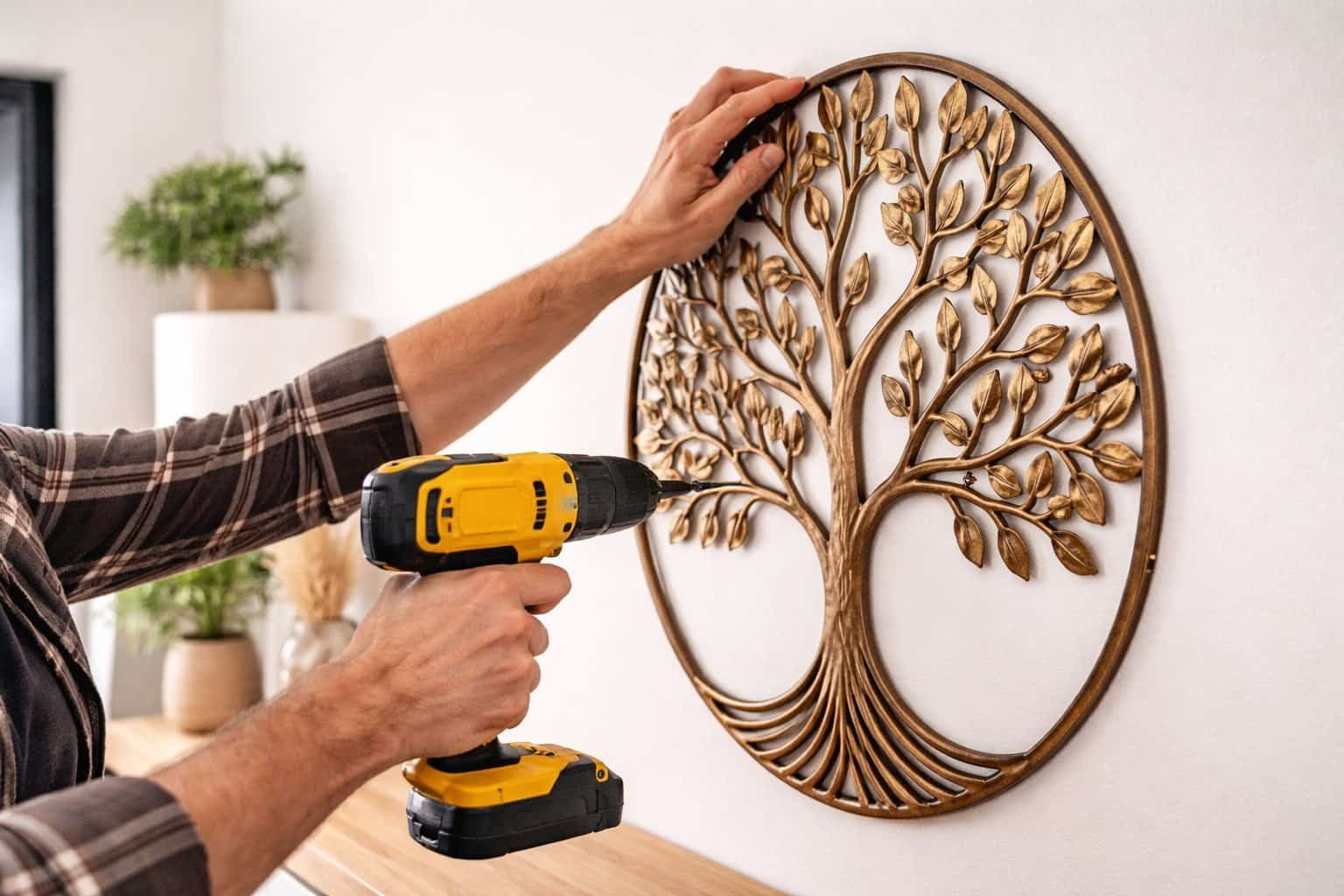

Metal wall art adds depth, texture, and character that few other decor elements can match. Learning how to hang metal wall decor properly ensures your piece looks stunning while staying safe and secure for years. Metal art tends to be heavier, sharper, and more structurally complex than canvas or framed prints, which means the installation process deserves extra care.
Understanding the right tools, surfaces, and techniques makes a major difference. A well-mounted piece creates a strong visual focal point, while poor installation can lead to crooked alignment, wall damage, or even accidents.
This guide explores everything you need to know about how to hang metal wall decor, starting with the fundamentals. Whether decorating a living room, hallway, or outdoor space, these insights will help you achieve professional-level results without stress.
In This Article
Why Metal Wall Decor Needs Special Hanging Techniques
Metal wall art is not just another decoration. Weight, shape, and structure demand thoughtful planning before installation. Unlike lightweight prints, metal pieces often feature uneven edges, layered designs, and concentrated weight points.
Choosing the wrong hardware is one of the most common mistakes. Weak hooks or improper anchors can cause the decor to tilt, loosen, or fall. Safety becomes especially important when installing large pieces above sofas, beds, or entryways.
Why proper installation matters
Several factors make metal art different from other wall decor:
- Heavier weight increases the need for strong support
- Sharp edges can cause damage if the piece shifts
- Irregular shapes require careful balancing
- Outdoor exposure may require weather-resistant mounting
A properly installed piece offers benefits beyond security:
- Enhances the room’s focal point
- Prevents long-term wall damage
- Improves alignment and symmetry
- Extends the life of the decor
Design experts often say that placement is just as important as the art itself.
Quick comparison: Metal vs other wall decor
| Feature | Metal Wall Decor | Canvas Art | Framed Prints |
| Average Weight | Medium to heavy | Light | Medium |
| Mounting Difficulty | Moderate to high | Easy | Moderate |
| Hardware Needed | Anchors, screws, studs | Nails/hooks | Hooks or anchors |
| Risk if Improperly Hung | High | Low | Medium |
Learning how to hang metal wall decor the right way protects both your walls and your investment.
Understanding Different Types of Metal Wall Decor
Before starting the installation process, it helps to identify the type of metal art you’re working with. Each style has unique requirements based on size, shape, and weight distribution.
Lightweight vs heavy metal pieces
Metal wall decor varies widely in weight:
- Lightweight (1–3 kg): Thin sheet metal designs, laser-cut patterns
- Medium weight (4–8 kg): Layered panels, framed metal art
- Heavy (9+ kg): Sculptural installations, thick steel pieces
Heavy pieces often need stud mounting or heavy-duty anchors. Lightweight designs can sometimes hang with basic hardware, but secure mounting still improves stability.
Common styles of metal wall decor
Knowing the style helps determine the best hanging method.
- Flat metal panels
- Geometric wall sculptures
- Nature-inspired cutouts (leaves, trees, animals)
- Industrial-style wall installations
- 3D layered metal artwork
Some designs come with built-in mounting brackets, while others require custom hanging solutions.
Indoor vs outdoor metal decor considerations
Outdoor metal decor faces additional challenges:
- Temperature changes
- Wind pressure
- Moisture exposure
Indoor pieces focus more on aesthetics and alignment. Outdoor installations require stronger hardware and rust-resistant materials.
Key tip: Stainless steel and powder-coated metal perform best outdoors.
Case study: Choosing the right mounting style
A homeowner installed a 7 kg metal tree sculpture using simple nails. Within weeks, the piece began tilting and left cracks in the wall. After switching to toggle bolts and anchoring into studs, stability improved immediately.
Lesson learned: Weight distribution matters more than appearance during installation.
Tools & Materials Needed to Hang Metal Wall Decor
Preparation is the secret to a smooth installation. Having the right tools ready saves time and prevents mistakes.
Essential tools checklist
Before learning how to hang metal wall decor, gather these basic items:
- Measuring tape
- Pencil for marking
- Spirit level
- Drill and drill bits
- Screwdriver
- Stud finder
These tools ensure accurate placement and proper alignment.
Recommended hardware options
Choosing the correct hardware depends on the wall type and decor weight.
Common mounting options include:
- Wall anchors
- Screws
- Toggle bolts
- Molly bolts
- Mounting brackets
Hardware guide based on weight
| Weight Range | Recommended Hardware | Best Use Case |
| 1–3 kg | Picture hooks, small anchors | Lightweight decor |
| 4–8 kg | Wall anchors + screws | Medium pieces |
| 9–15 kg | Toggle bolts | Heavy decor without studs |
| 15+ kg | Stud mounting + heavy screws | Large statement art |
Safety gear worth using
Installation can involve drilling and lifting heavy pieces. Basic safety gear helps prevent injury:
- Protective gloves
- Safety glasses
- Dust mask for drilling
Small precautions can prevent big accidents.
Expert insight
Interior stylists often emphasize preparation.
“Strong mounting hardware is invisible, yet it carries the entire visual impact of your decor.”
Selecting the right tools from the start ensures your metal wall art stays secure, balanced, and visually impressive.
How to Hang Metal Wall Decor on Drywall
Drywall is one of the most common wall surfaces in modern homes. Learning how to hang metal wall decor on drywall correctly prevents cracking, sagging, and unexpected falls. Drywall alone cannot hold much weight, which makes the choice of anchors critical.
Choosing the right anchors for drywall
Different anchors support different weight levels. Picking the correct type ensures long-term stability.
Popular drywall anchors include:
- Plastic expansion anchors – suitable for very light metal decor
- Self-drilling anchors – quick installation and medium weight support
- Molly bolts – strong hold for medium to heavy pieces
- Toggle bolts – best option for heavy metal wall decor
Step-by-step method for drywall installation
Follow these steps for a clean and secure result:
- Measure and mark the placement area
- Use a level to keep alignment straight
- Drill pilot holes if required
- Insert anchors securely into the wall
- Attach screws and mount the decor
Avoid over-tightening screws. Excess pressure can damage drywall and reduce holding strength.
Preventing wall damage and sagging
Common issues when hanging metal decor on drywall include:
- Crumbling holes from weak anchors
- Tilted artwork due to uneven placement
- Loose screws over time
Simple prevention tips:
- Use anchors rated for at least twice the weight of the decor
- Mount using two support points for balance
- Check alignment before fully tightening
Strong support equals long-lasting beauty.
Quick reference: Drywall anchor strength guide
| Anchor Type | Approx. Weight Capacity | Best Use |
| Plastic anchor | Up to 5 kg | Small metal pieces |
| Self-drilling anchor | Up to 15 kg | Medium decor |
| Molly bolt | Up to 25 kg | Larger panels |
| Toggle bolt | 25–50 kg | Heavy statement art |
Proper anchoring makes drywall a safe surface for most metal wall art installations.
How to Hang Metal Wall Decor on Concrete, Brick, or Tile
Solid walls offer excellent support, but installation requires more effort and precision. Understanding how to hang metal wall decor on these surfaces ensures a firm, permanent hold.
Best hardware for solid walls
Concrete and brick demand specialized fasteners. Regular screws will not hold securely.
Recommended options include:
- Masonry screws
- Concrete anchors
- Sleeve anchors
- Wall plugs with heavy-duty screws
Tile walls require extra caution to prevent cracking. Using the correct drill bit is essential.
Drilling tips and safety precautions
Working with hard surfaces requires patience and accuracy.
Key safety practices:
- Use a masonry drill bit for concrete or brick
- Drill slowly to avoid overheating
- Wear eye protection
- Mark exact positions before drilling
Keep the drill steady and avoid forcing it. Controlled pressure produces cleaner holes and stronger anchoring.
Ensuring a firm and permanent hold
Metal decor mounted on concrete or brick tends to be very stable when installed correctly. However, balance remains important.
Best practices include:
- Use two or more mounting points
- Choose anchors rated for heavy loads
- Double-check spacing before drilling
Solid walls provide the strongest support for large metal artwork.
Case study: Outdoor patio installation
A family installed a 12 kg metal sunburst sculpture on an exterior brick wall using masonry screws and anchors. Even after heavy rain and wind exposure, the piece remained secure for years.
This demonstrates how strong surfaces paired with proper hardware create reliable long-term results.
Measuring and Planning Before You Hang Metal Wall Decor
Placement determines whether metal art enhances the room or feels out of place. Careful planning helps you master how to hang metal wall decor with both precision and visual impact.
Determining ideal placement height
Most designers follow a simple guideline: center the artwork at eye level.
General height recommendations:
- Center point at 145–155 cm from the floor
- Above furniture: leave 15–25 cm of space
- Large statement pieces: align with the room’s visual center
Placement may vary based on ceiling height and room layout.
Centering techniques for balanced layouts
Symmetry makes a big difference in visual appeal.
Helpful techniques:
- Measure the wall width and mark the midpoint
- Use painter’s tape to outline the shape
- Step back and review before drilling
This planning stage prevents unnecessary holes and adjustments.
Using templates and marking tools
Paper templates can help visualize placement.
Steps:
- Trace the outline of the decor on paper
- Tape it to the wall
- Adjust position until it looks balanced
This approach is especially useful for large or oddly shaped metal designs.
Visual balance guide
| Wall Area | Suggested Decor Size |
| Narrow wall | Small to medium piece |
| Above sofa | 60–75% of sofa width |
| Large empty wall | Oversized statement art |
| Entryway | Vertical metal decor |
Design insight
Great wall decor placement feels natural, not forced.
Spacing, alignment, and proportion all contribute to the final result.
Planning before installation ensures the metal piece becomes a centerpiece rather than just another decoration. Later sections will explore how to hang metal wall decor without studs and how to achieve maximum design impact.
How to Hang Metal Wall Decor Securely Without Studs
Many walls do not have a stud exactly where you want to place your art. That does not mean you have to compromise on placement. Understanding how to hang metal wall decor securely without studs allows you to maintain your design vision while keeping the piece stable.
Weight limits and anchor solutions
Drywall alone cannot support heavy loads. Anchors distribute weight behind the wall, creating a stronger hold.
Best options when no stud is available:
- Toggle bolts – ideal for heavy metal pieces
- Molly bolts – strong support for medium weight decor
- Heavy-duty self-drilling anchors – good for moderate loads
Important guideline:
Choose anchors that support at least 1.5 to 2 times the weight of your metal decor.
Toggle bolts vs molly bolts
Both are reliable, but they serve slightly different purposes.
| Feature | Toggle Bolts | Molly Bolts |
| Strength | Very high | High |
| Installation | Requires larger hole | Easier to install |
| Best for | Heavy decor | Medium to heavy decor |
| Wall grip | Expands behind wall | Expands inside drywall |
Toggle bolts create a wing-like structure behind the drywall, spreading weight over a wider area. Molly bolts expand inside the wall to create a tight fit.
When to use multiple support points
Large metal art often has uneven weight distribution. Relying on a single anchor increases the risk of tilting.
Use multiple supports when:
- The piece is wider than 60 cm
- Weight exceeds 7–10 kg
- The design is asymmetrical
- Mounting points are spread apart
Two strong anchors are always safer than one overloaded point.
Case example: No-stud installation success
A homeowner wanted to center a 9 kg metal world map on a feature wall, but the studs were not in the right location. Using four toggle bolts instead of one central hook created balanced support. Result: perfect alignment and no shifting over time.
Careful anchor selection makes stud-free installation both safe and reliable.
Stud Mounting: The Most Secure Way to Hang Metal Wall Decor
Stud mounting is widely considered the safest method when learning how to hang metal wall decor. Studs are solid wooden or metal supports behind drywall, capable of holding significant weight.
How to locate wall studs accurately
Finding a stud takes just a few minutes and dramatically improves stability.
Effective methods:
- Use a stud finder device
- Knock lightly to detect solid areas
- Look for electrical outlets (often mounted to studs)
Studs are typically spaced about 40–60 cm apart, depending on construction style.
Mounting methods for heavier metal pieces
Heavy decor should ideally attach directly to studs using strong screws.
Recommended hardware:
- Wood screws (5–7 cm long)
- Heavy-duty mounting brackets
- Lag bolts for oversized pieces
Stud mounting reduces the need for anchors and minimizes wall stress.
Combining studs with anchors for extra stability
Sometimes, only one stud aligns with your decor placement. In such cases, use a mixed approach:
- One screw into a stud
- One or two anchors for balance
This method distributes weight evenly while keeping the strongest support at the center.
Stud vs anchor support comparison
| Factor | Stud Mounting | Anchor Mounting |
| Strength | Very high | Moderate to high |
| Long-term durability | Excellent | Good |
| Risk of wall damage | Low | Moderate |
| Best for | Heavy metal art | Medium-weight decor |
Stud mounting provides peace of mind, especially for large statement pieces.
Expert tip
Professional installers often recommend stud mounting for anything above 10–12 kg. The difference in stability is noticeable immediately and improves long-term safety.
Design Tips to Hang Metal Wall Decor for Maximum Visual Impact
Installation is not only about security. The way you position metal art changes how a room feels. Knowing how to hang metal wall decor for maximum visual impact helps transform a simple wall into a focal point.
Creating a strong focal point
Metal art naturally draws attention due to its texture and shine. Placement determines how powerful that effect becomes.
Best locations include:
- Above a sofa
- Behind a dining table
- Over a bed headboard
- In entryways
Centering the piece at eye level helps it feel intentional and balanced.
Pairing with lighting for dramatic effects
Metal surfaces reflect light beautifully. Proper lighting can enhance depth and detail.
Effective lighting ideas:
- Wall sconces on both sides
- Spotlights from above
- Warm lighting to soften metallic shine
Lighting creates shadows that emphasize the texture and craftsmanship.
Arranging multiple pieces as a gallery display
Some designs work better in groups than alone.
Tips for grouping metal decor:
- Keep spacing between pieces at 5–10 cm
- Align the center points, not the edges
- Mix sizes for a layered effect
A gallery-style arrangement adds personality and movement to the wall.
Visual balance formula
Designers often follow a simple proportion rule:
- Artwork width should be about 60–75% of the furniture width below it
- Large empty walls benefit from oversized pieces
- Small walls look better with compact designs
Quote from interior styling philosophy
“Decor should feel anchored to the space, not floating on the wall.”
Placement that respects proportion and alignment creates a polished, intentional look.
Case study: Living room transformation
A plain wall above a neutral sofa felt empty and disconnected. A large circular metal sculpture was installed at the correct height, paired with two side lights. Result: the room instantly gained warmth, structure, and a clear focal point.
Strategic placement turns metal wall art into a defining design feature rather than just an accessory.
Hanging Metal Wall Decor in Different Rooms
Each space in a home has its own purpose, lighting conditions, and layout. Learning how to hang metal wall decor based on the room helps create harmony instead of visual clutter. Placement should always support the function and mood of the space.
Living room placement strategies
Living rooms offer the most flexibility. Large metal pieces often work best here because the area typically has more open wall space.
Ideal placement ideas:
- Above the sofa as a central focal point
- On the main wall facing the entrance
- Above a console table or fireplace
Scale matters. Oversized art makes a bold statement, while small pieces can look lost on wide walls.
Best sizes for living rooms:
| Wall Width | Suggested Decor Width |
| 1–1.5 meters | 40–70 cm |
| 1.5–2.5 meters | 70–120 cm |
| 2.5+ meters | 120–180 cm |
Bedroom and hallway positioning ideas
Bedrooms benefit from calm and balanced visuals. Metal decor above the headboard creates a strong anchor for the space.
Placement tips:
- Center the piece above the bed
- Leave about 20–30 cm space between the headboard and art
- Choose softer designs for a relaxing feel
Hallways often have narrow walls, making vertical metal decor a smart choice. Tall, slim designs create movement without overwhelming the space.
Outdoor patio and entryway considerations
Outdoor areas require stronger mounting and weather-resistant materials. Wind, heat, and moisture all affect stability over time.
Key outdoor installation tips:
- Use rust-resistant screws and anchors
- Mount pieces slightly lower to reduce wind pressure
- Check mounts every few months
Metal decor in entryways sets the tone for the home. Bold, artistic pieces work especially well here.
Right placement makes each room feel complete and thoughtfully styled.
How to Hang Metal Wall Decor Safely on Rental Walls
Renters often want stylish spaces without permanent damage. Understanding how to hang metal wall decor safely on rental walls allows you to decorate freely while protecting your security deposit.
Damage-free hanging solutions
Many modern hanging options avoid drilling completely. These work best for lightweight or medium metal pieces.
Popular renter-friendly methods:
- Heavy-duty adhesive hooks
- Removable mounting strips
- Leaning large metal pieces on shelves
- Tension rod display setups
Always check the weight rating before installation.
Temporary mounting options
If the decor is slightly heavier, you can still use minimal-impact solutions.
Better temporary choices:
- Small anchors with patchable holes
- Single-screw stud mounting
- Rail hanging systems
These leave very small marks that are easy to repair later.
Weight limitations to keep in mind
Rental walls are often drywall with limited strength. Exceeding weight limits increases the risk of damage.
Safe guideline:
| Hanging Method | Recommended Max Weight |
| Adhesive hooks | 2–4 kg |
| Removable strips | 1–3 kg |
| Small anchors | 5–8 kg |
| Stud screw | 10+ kg |
Staying within limits protects both your wall and your decor.
Smart renter tip
Take photos before and after installation. Documentation helps show the condition of walls when moving out.
Rent-friendly hanging methods make it possible to personalize your space without permanent changes.
Maintenance After You Hang Metal Wall Decor
Proper care keeps your art looking beautiful and secure long after installation. Knowing what to do after learning how to hang metal wall decor helps prevent wear, rust, and mounting issues.
Cleaning and rust prevention tips
Dust and moisture can dull the finish over time. Regular maintenance protects the surface and structure.
Simple cleaning routine:
- Wipe with a dry microfiber cloth weekly
- Use a damp cloth for deeper cleaning
- Dry immediately to prevent moisture damage
Avoid harsh chemicals that can damage coatings or finishes.
Outdoor metal decor may need extra care. Applying a protective sealant once a year helps prevent rust.
Checking mounts over time
Hardware can loosen due to vibration, temperature changes, or wall movement.
Inspect every few months:
- Tighten loose screws
- Check anchors for shifting
- Make sure the piece sits level
Early checks prevent sudden falls.
Seasonal adjustments for outdoor pieces
Weather changes affect metal expansion and contraction. Wind pressure can also shift positioning.
Seasonal care checklist:
- Inspect after storms
- Clean off dirt and moisture buildup
- Re-tighten hardware if needed
Maintenance timeline guide
| Task | Frequency |
| Dust cleaning | Weekly |
| Deep cleaning | Monthly |
| Hardware inspection | Every 3–6 months |
| Outdoor rust check | Twice yearly |
Expert insight
Well-maintained decor can last decades without losing its visual impact.
For additional guidance on protecting metal surfaces and preventing corrosion, consult this resource from the National Association of Corrosion Engineers:
https://www.nace.org/resources/general-resources/corrosion-basics
Consistent care preserves both safety and beauty, ensuring your metal wall art continues to enhance your space for years.
Troubleshooting Common Problems When You Hang Metal Wall Decor
Even after careful installation, small issues can appear over time. Understanding how to fix them is an important part of mastering how to hang metal wall decor the right way. Quick adjustments prevent long-term damage and keep the piece looking professionally placed.
Fixing crooked alignment
Metal wall art can shift slightly during installation or over time. Crooked decor can make an entire room feel off-balance.
Common causes include:
- Uneven screw placement
- Loose anchors
- Incorrect measurements
Simple solutions:
- Use a level to check alignment
- Slightly loosen screws and reposition
- Adjust one side at a time for accuracy
Tiny adjustments can dramatically improve visual symmetry.
Preventing rattling or shifting
Some metal pieces make subtle sounds when doors close or when air moves through the room. This usually happens when the art is not fully secure against the wall.
Ways to stabilize the decor:
- Add rubber bumpers behind the piece
- Tighten mounting screws
- Use two mounting points instead of one
Rubber pads also protect walls from scratches and reduce movement.
What to do if the hardware loosens
Hardware can loosen over months or years due to vibration, temperature changes, or wall settling.
Signs to watch for:
- The piece tilts slightly
- Screws start to pull outward
- Anchors feel loose
Fixing the issue early prevents accidents.
Steps to correct it:
- Remove the decor carefully
- Replace worn anchors
- Upgrade to stronger hardware if needed
Quick problem-solution reference
| Problem | Likely Cause | Best Fix |
| Crooked decor | Uneven mounting | Re-level and tighten |
| Shifting piece | Single mounting point | Add second anchor |
| Wall damage | Weak anchor | Use toggle bolts |
| Rattling sound | Gap behind decor | Add rubber spacers |
Real-life example
A large metal clock began leaning forward months after installation. The original plastic anchors had loosened due to weight. Replacing them with toggle bolts fixed the problem permanently and improved stability.
Small maintenance checks help keep metal wall decor secure and looking perfect.
Final Thoughts: Mastering How to Hang Metal Wall Decor with Confidence
Learning how to hang metal wall decor is both a practical skill and a creative process. Strong installation ensures safety, while thoughtful placement transforms walls into expressive design features.
Throughout this guide, you’ve learned how to:
- Choose the right tools and anchors
- Install decor on drywall, concrete, and tile
- Hang pieces without studs
- Use stud mounting for maximum strength
- Plan placement for visual balance
- Maintain and protect metal art over time
Key takeaways to remember
Preparation is everything.
Taking time to measure, plan, and select proper hardware leads to better results.
Weight determines the method.
Heavier pieces always need stronger support and multiple mounting points.
Placement affects impact.
Centered, well-proportioned decor instantly elevates a space.
Maintenance protects your investment.
Regular checks keep mounts secure and finishes looking new.
The long-term value of proper installation
Well-installed metal wall art can last for decades. It becomes part of the room’s identity and often serves as a conversation piece. Strong mounting also protects your walls from cracks, holes, and unnecessary repairs.
Confidence grows with experience.
Each installation becomes easier as you understand your walls, tools, and design preferences.
Those who truly master how to hang metal wall decor combine technical precision with creative vision. The result is a space that feels polished, personal, and thoughtfully designed — where every piece looks exactly where it belongs.

I’m the creator behind EasyDecora, a home–decor lover who enjoys discovering simple, beautiful ways to make every room feel cozy and intentional. I share practical tips, creative ideas, and inspiration for anyone who wants to build a home they truly love.