
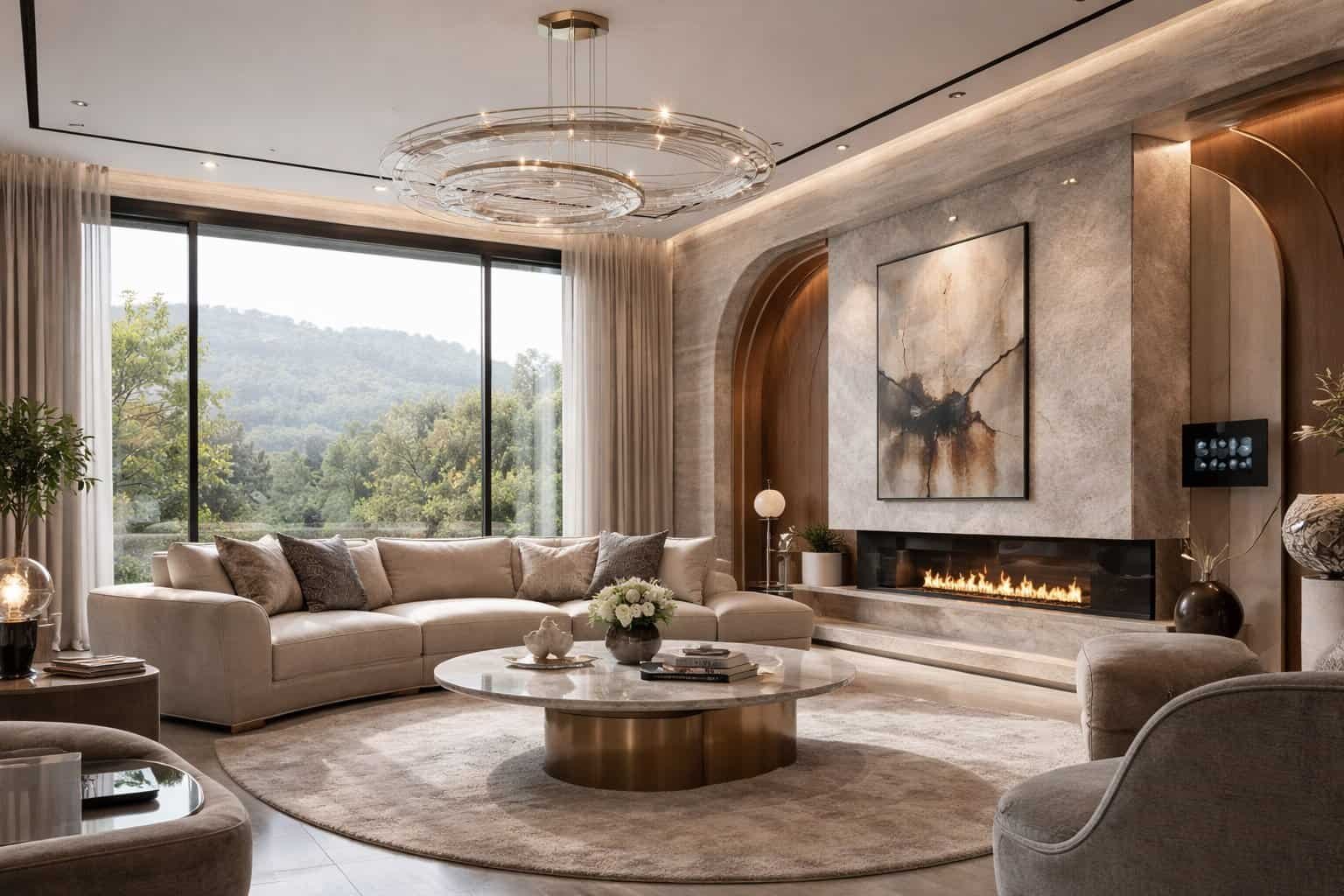

The vision of luxury innovations in home decor is no longer defined by excess or ornament alone. Modern luxury has evolved into something far more intentional—where innovation, craftsmanship, technology, and emotion intersect to shape living spaces that feel personal, intelligent, and enduring. High-end interiors today reflect a deeper philosophy: luxury is about how a space performs, adapts, and connects with its inhabitants, not just how it looks.
Design leaders, architects, and luxury homeowners are embracing innovation as the core of premium living. From advanced materials to intelligent environments, the vision of luxury innovations in home decor is shaping homes that are refined, future-ready, and deeply human.
In This Article
The Vision of Luxury Innovations in Home Decor
The vision of luxury innovations in home decor represents a strategic shift from traditional ideas of luxury toward experience-driven, purpose-built design. Luxury is no longer about filling a room with expensive objects. Instead, it focuses on how innovation enhances comfort, aesthetics, sustainability, and lifestyle.
What “Vision” Means in Luxury Home Decor
Vision in luxury design reflects forward-thinking intent. It answers questions such as:
- How will this space age over the next decade?
- How does technology integrate without disrupting beauty?
- How can luxury feel effortless rather than excessive?
This mindset drives innovation that remains relevant, adaptable, and refined over time.
Core pillars of the modern luxury vision include:
- Intelligent functionality hidden within elegant design
- Bespoke solutions tailored to individual lifestyles
- Seamless integration of technology and craftsmanship
- Emotional connection through sensory and spatial harmony
Innovation as the New Language of Luxury
Innovation has become the defining characteristic of luxury interiors. High-end homes now prioritize:
- Precision design over mass-market trends
- Invisible technology that enhances daily living
- Purpose-driven layouts that maximize comfort and flow
Luxury innovation does not shout. It whispers sophistication through thoughtful details, clean lines, and intelligent systems working quietly in the background.
“True luxury is not seen at first glance—it is felt through experience.”
The Evolution of Luxury: From Classic Opulence to Innovative Design
Luxury home decor has undergone a clear transformation over the last two decades. Traditional luxury emphasized visual dominance, while modern luxury values performance, personalization, and longevity.
Traditional Luxury vs Modern Luxury Innovation
| Aspect | Traditional Luxury | Modern Luxury Innovation |
| Visual Style | Ornate, heavy detailing | Clean, refined, intentional |
| Materials | Gold, marble, velvet | Engineered stone, smart textiles |
| Technology | Separate or visible | Fully integrated and discreet |
| Focus | Status and display | Experience and comfort |
| Lifespan | Trend-driven | Timeless and adaptable |
Classic luxury often relied on historical references. Contemporary luxury draws inspiration from future living needs, digital lifestyles, and sustainable practices.
Changing Expectations of High-End Homeowners
Luxury buyers today expect:
- Homes that adapt to work-from-home and wellness lifestyles
- Interiors that reflect personal identity rather than generic prestige
- Spaces designed for both privacy and social connection
Affluent homeowners now prioritize flexibility, intelligence, and emotional value as part of the luxury equation.
Craftsmanship Meets Cutting-Edge Design
Innovation has not replaced craftsmanship—it has elevated it. Artisans now collaborate with engineers and technologists to create:
- Precision-milled surfaces
- Hand-finished materials enhanced by modern processes
- Custom installations designed with advanced software
This fusion ensures that luxury interiors remain authentic, rare, and meticulously executed.
Materials at the Forefront of Luxury Innovation
Materials play a central role in shaping the vision of luxury innovations in home decor. Today’s luxury materials are not chosen solely for beauty, but for performance, sustainability, and sensory impact.
Advanced Natural and Engineered Materials
Luxury innovation has introduced materials that outperform traditional options while maintaining elegance:
- Engineered stone surfaces offering durability with natural aesthetics
- Thermally modified woods resistant to moisture and warping
- Smart glass that adjusts opacity and light transmission
- High-performance textiles that resist stains without sacrificing softness
These materials allow designers to create bold statements while ensuring long-term functionality.
Sustainable Luxury Without Compromise
Sustainability has become a defining feature of modern luxury innovation. High-end homes increasingly use:
- Reclaimed hardwoods with certified provenance
- Low-emission finishes for healthier indoor environments
- Recyclable metals and modular components
Luxury no longer conflicts with responsibility. Ethical sourcing and eco-conscious materials now enhance exclusivity rather than diminish it.
Bespoke Finishes and Custom Material Design
Customization sets luxury apart. Innovative material design enables:
- One-of-a-kind surface textures
- Hand-applied finishes layered with modern coatings
- Color palettes developed exclusively for individual residences
Bespoke materials create emotional value, ensuring each luxury interior feels personal and irreplaceable.
Smart Living as the Core of the Vision of Luxury Innovations in Home Decor
Smart living has become a defining element in the vision of luxury innovations in home decor, transforming high-end residences into responsive, intuitive environments. Technology in luxury homes is no longer about visible gadgets; it is about effortless control, silent efficiency, and seamless integration that enhances daily life without drawing attention.
Seamless Smart Home Integration
Modern luxury interiors integrate smart systems so discreetly that they become part of the architecture itself. Wall panels disappear, sensors remain hidden, and controls respond instantly.
Key smart features found in luxury homes include:
- Automated lighting that adapts to natural daylight cycles
- Climate systems that learn occupant preferences
- Motorized window treatments synchronized with weather conditions
- Integrated security systems with biometric access
Each element works together to create a cohesive living experience that feels natural rather than technical.
AI-Driven Personalization and Adaptive Spaces
Artificial intelligence has elevated luxury living to a new level. AI-driven systems now analyze behavioral patterns to optimize comfort and efficiency.
Examples of AI-powered luxury innovations:
- Lighting that adjusts color temperature based on time and mood
- Climate control that anticipates seasonal changes
- Audio systems that follow occupants room to room without interruption
These systems support adaptive living, where homes respond dynamically to their occupants rather than requiring constant manual input.
Invisible Technology as a Luxury Statement
In the modern luxury landscape, visibility often reduces elegance. The most refined spaces conceal their technological power behind minimalist design.
Invisible technology includes:
- Flush-mounted speakers integrated into walls and ceilings
- Hidden charging surfaces within furniture
- Smart mirrors that double as displays without visible screens
This approach reinforces the idea that true luxury innovation feels effortless and uncluttered.
Personalization and Bespoke Design in Modern Luxury Homes
Personalization stands at the heart of luxury innovation. The vision of luxury innovations in home decor prioritizes individuality, ensuring every space reflects the homeowner’s lifestyle, habits, and values.
Made-to-Measure Interiors as Ultimate Luxury
Standard layouts no longer define luxury living. High-end homes now feature made-to-measure solutions designed around real-world use.
Custom design elements often include:
- Furniture scaled precisely to room proportions
- Storage solutions built around personal routines
- Custom kitchens designed for specific cooking styles
Such tailored design eliminates compromise and enhances both comfort and functionality.
Data-Driven Customization in Luxury Spaces
Advanced design tools allow luxury interiors to be shaped using data insights. Designers now analyze how homeowners move, interact, and relax within spaces.
Data-informed personalization enables:
- Optimized furniture placement for flow and balance
- Lighting layouts tailored to daily activities
- Room zoning that supports work, leisure, and wellness
This level of precision ensures each space feels intuitive and deeply personal.
Craftsmanship Reinvented Through Innovation
Bespoke luxury remains rooted in craftsmanship, yet innovation has refined how artisans work. Digital fabrication and precision tools allow craftsmen to push creative boundaries while maintaining human touch.
The result is:
- Higher accuracy in custom detailing
- Reduced material waste
- Exceptional consistency across complex designs
Innovation amplifies craftsmanship rather than replacing it, reinforcing luxury’s commitment to excellence.
Sustainability Redefined Through Luxury Innovation
Sustainability has evolved from an optional feature into a core principle of the vision of luxury innovations in home decor. Modern luxury homes demonstrate that environmental responsibility and premium design are not mutually exclusive.
Eco-Conscious Design Without Aesthetic Sacrifice
Luxury innovation has redefined sustainability by focusing on quality, longevity, and performance. Sustainable luxury interiors often feature:
- Long-lasting materials that reduce replacement cycles
- Energy-efficient systems integrated into architectural design
- Natural ventilation and passive cooling strategies
These choices support both environmental goals and elevated living standards.
Circular Design and Long-Term Value
Circular design principles are increasingly adopted in luxury interiors. This approach emphasizes materials and components that can be reused, reconfigured, or recycled.
Benefits of circular luxury design include:
- Reduced environmental footprint
- Increased durability and resale value
- Timeless aesthetics that resist trend fatigue
Luxury innovation now considers not only how a home looks today, but how it performs decades into the future.
Ethical Sourcing as a Marker of True Luxury
Ethical sourcing has become a powerful indicator of modern luxury. High-end homeowners seek transparency regarding:
- Material origins
- Labor practices
- Environmental impact
Knowing the story behind materials adds emotional and moral value, elevating luxury beyond appearance.
Sensory Experience and Emotional Design in Luxury Spaces
A defining element of the vision of luxury innovations in home decor is the focus on how spaces feel, not just how they appear. Emotional design elevates luxury interiors by engaging the senses and creating environments that support well-being, comfort, and mental clarity.
Designing for Touch, Sound, and Atmosphere
Luxury innovation increasingly prioritizes multisensory balance. Textures, acoustics, and lighting work together to create spaces that feel calm and immersive rather than overstimulating.
Key sensory design strategies include:
- Soft-touch wall finishes and natural textiles that invite physical comfort
- Acoustic panels disguised as art to reduce echo and noise pollution
- Layered lighting that transitions smoothly from day to evening
These subtle choices influence mood and perception, reinforcing the emotional quality of luxury living.
Wellness-Focused Innovations in Home Decor
Wellness has become inseparable from modern luxury. High-end interiors now integrate wellness-driven design elements that promote relaxation and health.
Common wellness innovations include:
- Circadian lighting systems that support natural sleep cycles
- Air purification and humidity control for healthier indoor environments
- Spa-inspired bathrooms with steam, aromatherapy, and thermal zoning
Such features transform luxury homes into personal sanctuaries designed for restoration.
Immersive Environments and Emotional Connection
Luxury innovation extends beyond function into storytelling. Designers curate spaces that evoke emotion through thoughtful composition.
Emotional design elements often involve:
- Statement pieces with personal or cultural significance
- Harmonized color palettes that influence psychological comfort
- Curated art placement to guide visual flow
A well-designed luxury interior creates a lasting emotional impression, fostering a sense of belonging and exclusivity.
“Luxury is not about excess; it is about how a space makes you feel every day.”
The Role of Global Design Influences in Luxury Innovation
Global perspectives play a vital role in shaping the vision of luxury innovations in home decor. Cultural exchange has broadened design vocabulary, allowing luxury interiors to blend heritage, innovation, and modern lifestyles seamlessly.
Cultural Fusion in Contemporary Luxury Homes
Luxury innovation draws inspiration from diverse design traditions. Rather than replicating styles, designers reinterpret cultural elements through a modern lens.
Examples of global influence include:
- Japanese minimalism combined with European craftsmanship
- Mediterranean textures paired with modern architectural lines
- Middle Eastern patterns reimagined in subtle, contemporary finishes
This fusion creates interiors that feel worldly, sophisticated, and unique.
Minimalism, Maximalism, and Hybrid Luxury Styles
Luxury innovation supports a spectrum of design expressions. Some homeowners gravitate toward serene minimalism, while others embrace expressive maximalism.
Emerging luxury styles include:
- Soft minimalism emphasizing warmth and natural materials
- Curated maximalism using statement pieces rather than clutter
- Hybrid luxury blending restraint with bold artistic elements
Innovation allows these styles to coexist without sacrificing cohesion or comfort.
Global Craftsmanship Shaping Modern Luxury Interiors
Artisanal techniques from around the world continue to influence luxury innovation. Handcrafted details add authenticity and narrative depth to modern interiors.
Global craftsmanship contributions include:
- Handwoven textiles from heritage ateliers
- Custom ceramics and stonework created by master artisans
- Traditional joinery enhanced through modern engineering
Such elements preserve cultural identity while aligning with contemporary luxury standards.
Future-Focused Concepts Shaping the Vision of Luxury Innovations in Home Decor
The future of high-end interiors is being shaped by adaptability, digital intelligence, and long-term relevance. The vision of luxury innovations in home decor looks ahead, anticipating how people will live, work, and relax in evolving environments rather than reacting to short-lived trends.
Adaptive and Modular Luxury Living Spaces
Luxury homes are increasingly designed to evolve with changing needs. Fixed layouts are giving way to adaptable configurations that maintain elegance while offering flexibility.
Future-focused luxury concepts include:
- Modular walls and partitions that redefine space without reconstruction
- Convertible rooms that shift between work, leisure, and hospitality
- Furniture systems designed for reconfiguration without aesthetic loss
This adaptability ensures luxury homes remain functional and valuable over time.
Digital Design and Virtual Innovation in Luxury Interiors
Digital tools are transforming how luxury interiors are conceived and executed. Designers now rely on advanced visualization and simulation to perfect spaces before construction begins.
Innovations shaping digital luxury design:
- Virtual reality walkthroughs for precise spatial planning
- Digital twins that simulate lighting, acoustics, and airflow
- AI-assisted design tools predicting long-term usability
These technologies reduce errors, improve personalization, and allow homeowners to engage deeply in the creative process.
Future Materials and Smart Architecture
Luxury innovation continues to push material and architectural boundaries. Emerging developments include:
- Self-healing surfaces that maintain pristine appearance
- Energy-generating materials integrated into walls and facades
- Smart architecture that adjusts shading, airflow, and lighting automatically
Such advancements ensure luxury homes remain efficient, resilient, and forward-thinking.
Conclusion: The Lasting Impact of the Vision of Luxury Innovations in Home Decor
The vision of luxury innovations in home decor represents a profound shift in how luxury is defined, experienced, and sustained. Modern luxury interiors balance technology, craftsmanship, sustainability, and emotional design, creating spaces that feel intelligent, personal, and timeless.
Luxury today is no longer measured by excess. It is defined by:
- Thoughtful innovation that enhances everyday life
- Materials and systems designed for longevity
- Personalized environments that reflect identity and values
Homes built on this vision deliver more than beauty—they offer meaning, comfort, and future resilience.
As luxury design continues to evolve, innovation will remain its guiding force, shaping interiors that adapt gracefully to change while preserving elegance and exclusivity. For deeper insight into how innovation is redefining high-end living, architectural research from trusted institutions such as the Harvard Graduate School of Design offers valuable perspectives on the future of residential environments:https://www.gsd.harvard.edu

I’m the creator behind EasyDecora, a home–decor lover who enjoys discovering simple, beautiful ways to make every room feel cozy and intentional. I share practical tips, creative ideas, and inspiration for anyone who wants to build a home they truly love.