
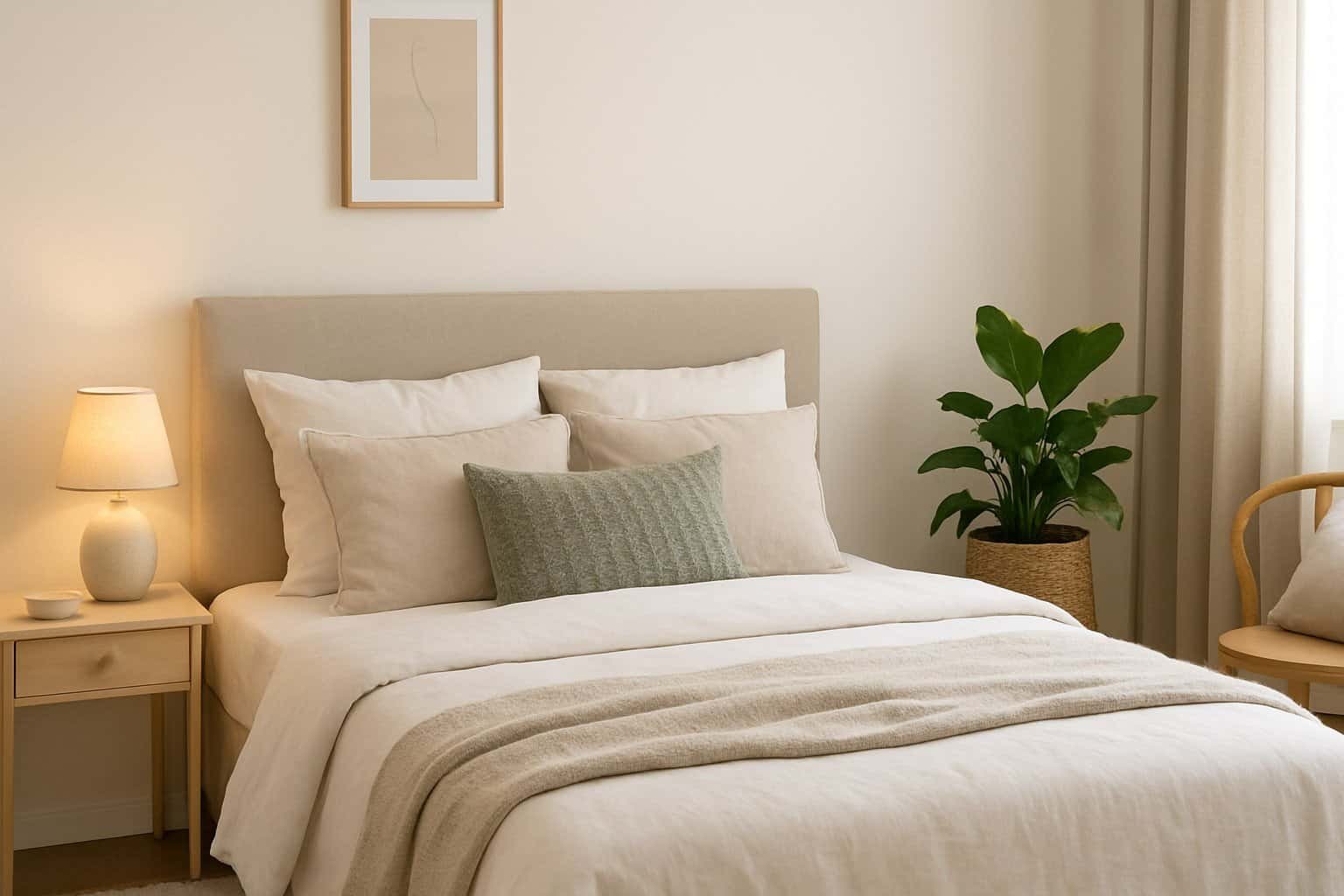

Easy bedroom decor ideas for everyday comfort are not about luxury upgrades or expensive renovations. They focus on creating a space that supports rest, relaxation, and daily well-being with simple, thoughtful choices. Since most people spend 7–9 hours every day in their bedroom, comfort isn’t optional—it’s essential.
A well-decorated bedroom should help you:
- Fall asleep faster
- Wake up feeling refreshed
- Feel calm the moment you enter the room
Unlike trend-based design, comfort-driven decor emphasizes softness, balance, and ease of use. Small changes—like adjusting colors, textures, or layout—can noticeably improve sleep quality and emotional comfort.
“Your bedroom should feel like a place you exhale, not perform.”
When decor feels effortless, the room naturally becomes more inviting. That’s why focusing on easy bedroom decor ideas for everyday comfort leads to long-term satisfaction rather than short-lived visual appeal.
Understanding Comfort-First Bedroom Decorating
Comfort-first decorating prioritizes how the bedroom feels over how it looks in photos. While aesthetics matter, everyday comfort comes from functionality, sensory balance, and emotional calm.
What Comfort-First Design Really Means
Comfort-driven decor combines three key elements:
- Physical comfort – softness, warmth, breathable fabrics
- Visual comfort – calming colors, uncluttered layouts
- Mental comfort – familiarity, personal connection
Easy bedroom decor ideas for everyday comfort work best when all three elements support each other rather than compete.
Functional Comfort vs. Visual Comfort
Both are important, but they serve different purposes:
| Comfort Type | What It Focuses On | Simple Example |
| Physical comfort | Body support and relaxation | Soft bedding, cozy rugs |
| Visual comfort | Reduced visual stress | Neutral colors, clean lines |
| Mental comfort | Emotional ease | Personal photos, meaningful decor |
Ignoring one often reduces the impact of the others. A beautiful bedroom that feels cold or impractical won’t deliver everyday comfort.
Why Simple Decor Choices Work Better
Overdecorating creates visual noise and increases daily maintenance. Comfort-first bedrooms thrive on:
- Fewer but purposeful decor items
- Easy-to-clean surfaces
- Furniture that supports real habits
This approach makes the bedroom easier to live in, not just admire.
Choosing a Soft and Calming Color Palette
Color plays a powerful role in how a bedroom feels. One of the most effective easy bedroom decor ideas for everyday comfort is choosing shades that naturally calm the mind and relax the body.
Best Bedroom Colors for Everyday Comfort
Research shows that softer hues help lower stress levels and promote better sleep. Popular comfort-enhancing colors include:
- Warm whites and creams
- Soft beige and taupe
- Muted greens and sage
- Light gray with warm undertones
- Dusty blues
These shades reflect light gently and reduce visual fatigue.
How Color Affects Sleep and Mood
Color influences the nervous system more than most people realize:
- Cool, muted tones encourage relaxation
- Warm neutrals provide emotional security
- Overly bold colors may overstimulate the brain
For everyday comfort, the goal is balance—not blandness.
Easy Ways to Refresh Bedroom Colors Without Renovation
You don’t need to repaint the entire room to benefit from calming colors. Try:
- Neutral bedding and pillow covers
- Soft-toned curtains or blinds
- Area rugs in muted shades
- Accent pillows in calming hues
Small color updates can shift the entire mood of the bedroom.
Color Mistakes That Reduce Comfort
Avoid these common issues:
- Bright reds or neons near the bed
- High-contrast walls that feel visually loud
- Too many competing colors in one space
According to color psychology research shared by the Sleep Foundation, muted tones help signal the brain that it’s time to rest and unwind, making them ideal for sleep-focused spaces
Bedding Choices That Instantly Boost Comfort
When it comes to easy bedroom decor ideas for everyday comfort, nothing has a bigger daily impact than bedding. The bed is the heart of the bedroom, and even small upgrades can dramatically improve sleep quality and overall coziness.
Choosing the Right Bedding Fabrics
Comfort starts with materials that feel good against the skin and regulate temperature properly. The most reliable options for everyday use include:
- Cotton (300–500 thread count) for breathability and durability
- Linen for natural airflow and relaxed comfort
- Bamboo blends for softness and moisture control
Avoid overly synthetic fabrics, as they often trap heat and reduce nighttime comfort.
Layering Bedding for Practical Comfort
Layering isn’t just decorative—it’s functional. A well-layered bed adapts to changing temperatures and personal comfort needs:
- Fitted sheet for smooth support
- Flat sheet for breathability
- Lightweight blanket or quilt
- Comforter or duvet for cooler nights
This approach allows easy adjustment without disrupting sleep.
Simple Bedding Upgrades With Big Impact
You don’t need a full bedding overhaul. Small changes that matter:
- Swapping pillowcases for softer fabrics
- Adding an extra throw at the foot of the bed
- Using supportive pillows suited to your sleep position
“Comfortable bedding doesn’t shout for attention—it quietly supports better sleep every night.”
Lighting Ideas That Create a Relaxing Atmosphere
Lighting shapes how a bedroom feels after sunset. One of the most overlooked easy bedroom decor ideas for everyday comfort is adjusting light quality rather than adding more fixtures.
Why Soft Lighting Matters
Harsh lighting signals alertness, while soft light encourages relaxation. Bedrooms benefit from:
- Warm light temperatures (2700K–3000K)
- Diffused light sources
- Multiple small lights instead of one bright ceiling fixture
This creates a layered, calming glow instead of stark brightness.
Best Bedroom Lighting Options
Effective lighting setups often include:
- Bedside lamps for reading and wind-down routines
- Wall-mounted lights to free up surface space
- Table lamps with fabric shades to soften brightness
Placing lights at different heights adds depth and visual comfort.
Easy Lighting Changes Without Rewiring
No electrician required for these comfort upgrades:
- Warm LED bulbs instead of cool white
- Plug-in wall sconces
- Dimmer switches or smart bulbs
These simple changes dramatically reduce eye strain and nighttime stress.
Decluttering for a More Peaceful Bedroom Space
Clutter is one of the biggest enemies of everyday comfort. A cluttered bedroom overstimulates the mind, making it harder to relax or sleep well.
How Clutter Affects Comfort
Visual clutter can:
- Increase stress levels
- Create a sense of restlessness
- Reduce perceived room size
Even small piles can disrupt the calm atmosphere needed for rest.
Practical Decluttering Strategies That Last
Instead of extreme minimalism, aim for intentional simplicity:
- Keep surfaces mostly clear
- Store items you don’t use daily
- Assign a purpose to every object
This makes the room easier to maintain over time.
Smart Storage That Blends With Decor
Storage doesn’t have to look utilitarian. Comfort-friendly solutions include:
- Bed frames with built-in drawers
- Fabric storage bins that feel soft visually
- Nightstands with closed storage
| Storage Type | Comfort Benefit |
| Under-bed storage | Frees visual space |
| Closed cabinets | Reduces mental clutter |
| Soft bins | Maintains cozy aesthetic |
Decluttering isn’t about having less—it’s about making space for rest.
Adding Textures for Warmth and Coziness
Texture plays a quiet but powerful role in easy bedroom decor ideas for everyday comfort. While color sets the mood, texture brings the room to life by making it feel layered, soft, and welcoming.
Why Texture Improves Bedroom Comfort
A bedroom with only smooth, flat surfaces can feel cold or unfinished. Texture adds:
- Visual warmth
- Physical softness
- A sense of depth and balance
Combining different textures keeps the space interesting without overwhelming it.
Simple Ways to Layer Textures
Comfortable bedrooms usually include a mix of:
- Soft textiles like cotton, wool, or knit throws
- Upholstered headboards for added softness
- Area rugs that cushion footsteps
A good rule is to mix smooth, soft, and slightly structured materials in moderation.
Budget-Friendly Texture Ideas
You don’t need luxury pieces to add texture:
- Throw blankets folded at the foot of the bed
- Decorative cushions in different fabrics
- A woven basket for storage
“Texture is what turns a decorated room into a livable one.”
These small touches make the bedroom feel cozy throughout the day and night.
Furniture Arrangement for Better Daily Flow
How furniture is arranged affects how the bedroom functions every single day. One of the most practical easy bedroom decor ideas for everyday comfort is improving flow rather than adding more furniture.
Creating Space to Move and Breathe
A comfortable bedroom should allow:
- Easy access to the bed from both sides
- Clear walking paths
- Enough space to open drawers and doors fully
Crowded layouts often create frustration without being noticed.
Smart Furniture Placement Tips
Simple layout improvements include:
- Centering the bed on the main wall
- Keeping nightstands proportional to the bed
- Placing larger furniture away from entry points
These adjustments help the room feel balanced and calm.
Small Room Layout Solutions
Even compact bedrooms can feel comfortable:
- Use wall-mounted shelves instead of bulky units
- Choose furniture with exposed legs for visual lightness
- Avoid placing furniture directly in front of windows
| Layout Choice | Comfort Benefit |
| Clear walkways | Reduces daily stress |
| Balanced spacing | Improves relaxation |
| Open sightlines | Makes room feel larger |
Comfort often comes from what you remove, not what you add.
Wall Decor That Feels Calm, Not Crowded
Walls set the visual tone of the bedroom. Thoughtful wall styling is one of the most overlooked easy bedroom decor ideas for everyday comfort, yet it greatly affects mental relaxation.
Choosing the Right Wall Decor
Comfort-focused wall decor should feel intentional, not busy:
- One large artwork instead of many small ones
- Simple framed prints with soft tones
- Mirrors to reflect light gently
The goal is to enhance calm, not demand attention.
How Much Wall Decor Is Enough
A good guideline is:
- Leave at least 40–60% of wall space empty
- Focus decor above the bed or on one main wall
- Avoid cluttering every available surface
This creates visual breathing room.
Easy Wall Decor Updates
Low-effort upgrades that maintain comfort:
- Swap busy artwork for minimalist designs
- Use floating shelves sparingly
- Align frames neatly for a clean look
Calm walls support a calm mind.
Natural Elements That Enhance Comfort
Bringing nature into the bedroom is one of the most effective easy bedroom decor ideas for everyday comfort. Natural elements soften the space and create a calming environment that feels grounded and restorative.
Why Nature-Based Decor Improves Bedroom Comfort
Natural materials help:
- Reduce stress and visual fatigue
- Improve air quality
- Create a sense of balance and warmth
Bedrooms that include natural elements often feel more breathable and emotionally soothing.
Easy Ways to Add Natural Elements
You don’t need a jungle-inspired makeover. Subtle additions work best:
- Small indoor plants like snake plants or pothos
- Wooden furniture or decor accents
- Linen, cotton, or jute textiles
These materials introduce comfort without overwhelming the space.
Low-Maintenance Plant Options
For everyday living, choose plants that require minimal care:
- Snake plant (thrives in low light)
- ZZ plant (needs infrequent watering)
- Peace lily (adds softness and elegance)
Natural decor connects the bedroom to calm, slow living.
Scent and Sensory Comfort in Bedroom Decor
Comfort goes beyond what you see. Sensory details, especially scent, are an often overlooked part of easy bedroom decor ideas for everyday comfort.
How Scent Affects Relaxation
Certain scents help signal the brain to relax and unwind:
- Lavender for stress reduction
- Chamomile for calmness
- Sandalwood for warmth and grounding
Subtle fragrances work better than strong, overpowering ones.
Simple Ways to Add Gentle Scents
Keep scent sources minimal and consistent:
- Essential oil diffusers with mild settings
- Scented candles used occasionally
- Natural linen sprays
Avoid mixing too many fragrances, as that can create sensory overload.
Creating a Balanced Sensory Experience
Comfort improves when senses work together:
- Soft lighting
- Quiet surroundings
- Gentle textures and calming scents
A peaceful bedroom appeals to all senses, not just the eyes.
Personal Touches That Make the Bedroom Feel Like Home
A comfortable bedroom should feel personal, not staged. One of the most meaningful easy bedroom decor ideas for everyday comfort is adding elements that reflect your identity while keeping the space calm.
Choosing Personal Items That Add Comfort
Not everything needs to be decorative. Choose items with meaning:
- Framed photos with simple borders
- Books you actually read
- Small keepsakes that spark positive emotions
Personal touches should feel grounding, not distracting.
How to Avoid Personal Clutter
The key is moderation:
- Limit personal displays to one or two areas
- Rotate items instead of displaying everything
- Store sentimental pieces neatly
This keeps the bedroom emotionally warm without visual chaos.
“A bedroom feels comfortable when it reflects who you are, not who you’re trying to impress.”
Budget-Friendly Easy Bedroom Decor Ideas for Everyday Comfort
Comfort doesn’t require a big budget. Many easy bedroom decor ideas for everyday comfort focus on smart choices rather than expensive purchases.
High-Impact, Low-Cost Updates
Affordable changes that matter:
- New pillow covers or throws
- Rearranging existing furniture
- Switching to warm light bulbs
Small investments often deliver the biggest comfort improvements.
Repurposing What You Already Own
Before buying new items:
- Use scarves or fabric as decorative throws
- Turn baskets into storage solutions
- Move decor from other rooms
Creativity stretches both comfort and budget.
Comfort Priorities Worth Spending On
If you invest, prioritize:
- Quality bedding
- Supportive pillows
- Soft rugs underfoot
These directly affect daily comfort.
Common Bedroom Decor Mistakes That Reduce Comfort
Even well-intentioned decor choices can reduce comfort if not carefully considered.
Mistakes That Disrupt Everyday Comfort
Common issues include:
- Overdecorating with too many accessories
- Using harsh, cool lighting
- Ignoring storage needs
These choices create visual and mental strain.
How to Fix Comfort Issues Easily
Simple fixes often work best:
- Remove one-third of visible decor
- Replace cool bulbs with warm ones
- Add concealed storage
Comfort improves when the bedroom feels effortless.
Final Thoughts: Creating a Bedroom Designed for Everyday Comfort
Designing a comfortable bedroom isn’t about perfection—it’s about intention. The most effective easy bedroom decor ideas for everyday comfort focus on softness, simplicity, and daily usability.
By combining:
- Calm colors
- Comfortable bedding
- Thoughtful lighting
- Natural elements
- Personal touches
You create a bedroom that supports rest and well-being every day.
According to the Sleep Foundation, environments that prioritize calm visuals, gentle lighting, and reduced clutter contribute to better sleep quality and relaxation, reinforcing the importance of comfort-focused bedroom design. You can explore more evidence-based sleep environment insights on their official website: https://www.sleepfoundation.org
A comfortable bedroom isn’t just decorated—it’s lived in, rested in, and relied on every single day.

I’m the creator behind EasyDecora, a home–decor lover who enjoys discovering simple, beautiful ways to make every room feel cozy and intentional. I share practical tips, creative ideas, and inspiration for anyone who wants to build a home they truly love.