
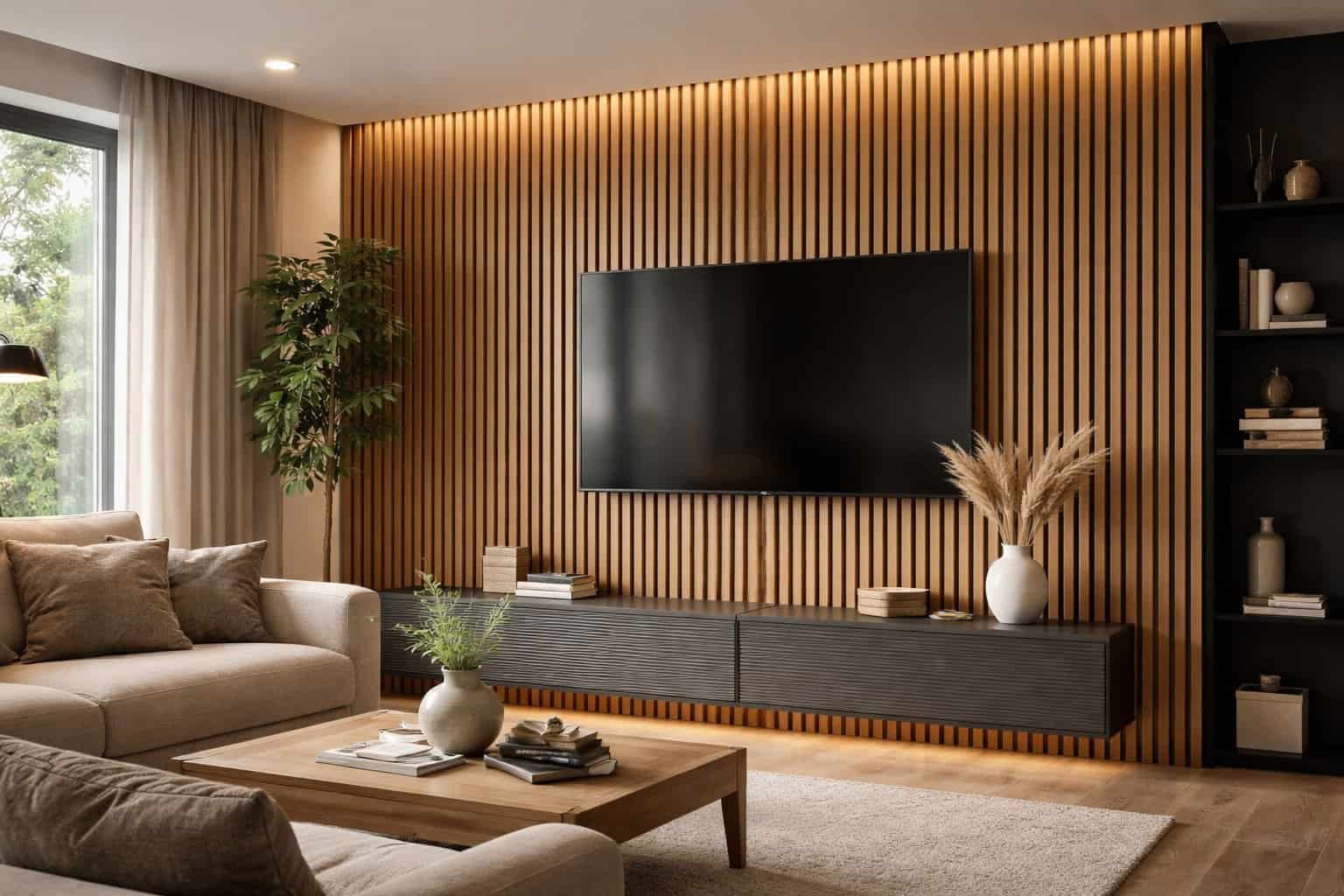

Interior design continues to move toward natural materials, texture, and architectural depth, and few design elements embody this shift better than the natural oak decorative slat wall panel. Clean lines, warm wood tones, and sophisticated structure make these panels a favorite among architects, designers, and homeowners seeking timeless aesthetics.
A well-designed wall should do more than simply divide space. It should add character, enhance acoustics, and create a visual focal point. Natural oak decorative slat wall panels accomplish all of this while maintaining a minimal and elegant appearance.
Growing demand for biophilic design—interiors that connect people with natural elements—has further accelerated the popularity of oak slat panels. Residential living rooms, luxury hotel lobbies, modern offices, and boutique retail stores increasingly rely on these panels to create a refined yet natural atmosphere.
According to research from the American Hardwood Export Council, oak remains one of the most widely used hardwoods in architecture due to its strength, longevity, and distinctive grain patterns.
Throughout this guide, you will learn what makes natural oak decorative slat wall panels unique, why designers prefer them, and how they can transform an interior space into something remarkable.
In This Article
Natural Oak Decorative Slat Wall Panels
Natural oak decorative slat wall panels are architectural wall systems made from solid or veneered oak slats arranged in evenly spaced vertical or horizontal patterns. Panels are typically mounted onto a backing board—often acoustic felt or plywood—to simplify installation and improve sound absorption.
Unlike traditional flat wall finishes such as paint or wallpaper, slat panels introduce depth, rhythm, and texture. This combination allows them to function as both a design element and a practical architectural solution.
Key Characteristics of Natural Oak Slat Panels
- Made from real oak wood or oak veneer
- Designed in linear slat patterns
- Often installed as full wall features or accent sections
- Available with acoustic backing materials
- Compatible with both residential and commercial spaces
Natural oak stands out because it delivers organic warmth without overwhelming a room’s visual balance. Light honey tones and distinctive grain details allow the wood to blend seamlessly with many design palettes.
Why Designers Prefer Natural Oak
Interior designers consistently choose oak over many other woods due to its versatility and structural strength.
Important qualities include:
- High durability: Oak ranks high on the Janka hardness scale.
- Distinct grain patterns: Natural texture creates visual richness.
- Color adaptability: Light neutral tones work with most interiors.
- Longevity: Oak surfaces can last for decades when maintained.
Spaces designed with oak slat panels often feel calm, welcoming, and architecturally sophisticated.
Quick Snapshot: Natural Oak Decorative Slat Wall Panels
| Feature | Details |
| Material | Solid oak or oak veneer |
| Typical Slat Width | 20–40 mm |
| Standard Panel Height | 2400–3000 mm |
| Primary Use | Accent walls and acoustic treatment |
| Design Style | Modern, Scandinavian, contemporary |
Modern interiors increasingly use slat panels to bridge the gap between architecture and interior decoration.
What Makes Natural Oak Decorative Slat Wall Panels Unique
Several materials can be used to create slat walls, including MDF, laminate, and PVC. Natural oak, however, stands in a category of its own. Authentic hardwood offers depth, texture, and long-term value that engineered alternatives struggle to replicate.
Design professionals frequently describe oak slat panels as “architectural furniture for walls.”
Natural Grain Patterns Create Authentic Texture
Every oak board displays unique grain movement and organic markings, giving each panel subtle variations in appearance. This natural variation ensures that no two installations look identical.
Common grain patterns found in oak include:
- Straight grain
- Cathedral grain
- Quarter-sawn ray flecks
- Subtle knots and mineral streaks
Such characteristics produce visual interest without appearing busy or chaotic.
Oak Provides Exceptional Strength and Durability
Oak has been used in architecture for centuries. Historic buildings across Europe and North America still contain oak structural elements more than 200 years old.
Several factors contribute to its durability:
- Dense hardwood structure
- High resistance to dents and wear
- Stable performance in changing humidity
- Natural resistance to insects
That durability makes oak slat panels suitable for high-traffic environments like offices, hotels, and commercial spaces.
Sustainability and Environmental Value
Sustainability has become an important factor in interior design decisions. Responsibly harvested oak is widely considered an environmentally responsible material.
Benefits include:
- Renewable forest resource
- Long life cycle reduces material waste
- Low environmental footprint compared to synthetic panels
- Biodegradable and recyclable components
Many manufacturers source wood from FSC-certified forests, ensuring responsible forest management.
Comparison With Other Slat Panel Materials
| Material | Appearance | Durability | Sustainability | Cost |
| Natural Oak | Authentic wood grain | Very high | Excellent | Medium–High |
| MDF Slat Panels | Uniform surface | Moderate | Low | Low |
| Laminate Panels | Printed wood texture | Moderate | Medium | Low–Medium |
| Walnut Slat Panels | Rich dark tone | High | Good | High |
Oak offers the best balance of durability, appearance, and sustainability.
Key Benefits of Installing Natural Oak Decorative Slat Wall Panels
Interior walls play a major role in shaping how a room feels. Natural oak slat panels enhance interior environments through both aesthetic and functional advantages.
Creates Architectural Depth and Texture
Flat painted walls lack dimensional interest. Slat panels introduce rhythm and structure, transforming plain surfaces into architectural features.
Visual benefits include:
- Vertical lines that make ceilings appear higher
- Linear patterns that guide the eye across the room
- Textural shadows created by natural light
- Sophisticated minimalist appearance
Many designers use slat panels to create statement feature walls behind televisions, sofas, or beds.
Improves Room Acoustics
Noise control has become increasingly important in modern open-plan interiors. Acoustic slat panels often include felt backing designed to absorb sound waves.
Acoustic advantages include:
- Reduced echo and reverberation
- Improved speech clarity
- Better sound quality in media rooms
- Enhanced workplace productivity
Open offices, conference rooms, and home theaters frequently incorporate slat panels specifically for their acoustic performance.
Adds Warmth and Natural Atmosphere
Wood introduces a sense of comfort and natural warmth that synthetic materials cannot replicate.
Psychological studies in interior environments have shown that natural materials help reduce stress and improve mood. Designers often reference this as part of the biophilic design philosophy.
Natural oak particularly contributes:
- Warm honey-colored tones
- Soft organic textures
- Balanced contrast against modern materials like metal or glass
Rooms that feature oak wall panels typically feel inviting, calm, and refined.
Increases Property Value and Design Appeal
Architectural wall treatments can significantly increase perceived value in a property. Luxury residential developers increasingly include slat panels in high-end apartments and custom homes.
Benefits to property owners include:
- Premium interior aesthetic
- Increased buyer appeal
- Timeless design longevity
- Reduced need for additional decorative elements
Real estate professionals often highlight architectural wall features as one of the details that distinguish premium properties.
Easy Integration With Lighting and Technology
Another advantage lies in the flexibility of slat wall design.
Designers frequently integrate:
- LED strip lighting
- concealed cable channels
- mounted TVs
- floating shelves
Lighting placed between slats can create dramatic shadow effects, turning the wall into a centerpiece of the room.
“Architectural slat walls allow lighting, acoustics, and material design to work together as one cohesive system.” — Interior design principle often referenced in contemporary architecture.
Popular Interior Design Styles Using Natural Oak Decorative Slat Wall Panels
Natural materials remain a cornerstone of modern design. Natural oak decorative slat wall panels complement numerous interior styles because of their clean geometry and organic warmth. Designers frequently use them as both visual anchors and architectural highlights.
Versatility makes oak slat panels effective in spaces ranging from minimalist homes to high-end hospitality environments.
Scandinavian Interiors and Natural Oak Decorative Slat Wall Panels
Scandinavian design emphasizes simplicity, light colors, and natural textures. Oak slat walls align perfectly with this philosophy.
Typical Scandinavian applications include:
- Living room feature walls
- Entryway accent panels
- Minimalist bedroom headboards
- Home office backdrops
Soft oak tones pair well with:
- white walls
- neutral textiles
- matte black accents
- natural stone surfaces
The result is a calm and balanced interior atmosphere.
Modern Minimalist Spaces
Minimalist interiors rely on carefully chosen architectural elements rather than excessive decoration. Natural oak decorative slat wall panels serve as subtle yet striking focal points.
Key minimalist design benefits:
- Structured linear patterns add interest without clutter
- Neutral wood tones maintain visual balance
- Panels hide wiring and mounting systems
- Textured surfaces reduce the need for wall art
Many contemporary homes install oak slat panels behind floating televisions or integrated media walls.
Contemporary Office and Workspace Design
Workspaces increasingly focus on comfort, acoustics, and visual appeal. Natural oak slat panels address all three.
Office environments commonly use them in:
- conference rooms
- reception areas
- coworking lounges
- private offices
Acoustic backing panels help reduce noise in open-plan offices, improving employee focus and collaboration.
Hospitality and Luxury Interior Design
Hotels, restaurants, and upscale retail stores often choose oak slat panels for their premium aesthetic and durability.
Hospitality applications include:
- hotel lobby statement walls
- restaurant dining room partitions
- boutique retail displays
- spa relaxation areas
Luxury interior designers frequently pair oak slats with brass lighting fixtures, marble surfaces, and warm ambient lighting to create a sophisticated atmosphere.
Feature Walls in Living Rooms and Bedrooms
Residential design increasingly favors statement walls that define a room’s personality.
Common residential installations include:
- living room TV feature walls
- bedroom headboard panels
- staircase accent walls
- hallway decorative surfaces
Vertical slat arrangements often make rooms appear taller and more spacious, which is especially beneficial in apartments or smaller homes.
Where to Install Natural Oak Decorative Slat Wall Panels
Placement plays a critical role in maximizing the visual impact of natural oak decorative slat wall panels. Strategic installation transforms ordinary rooms into design-driven environments.
Below are the most effective locations for slat wall installations.
Living Room Accent Walls
Living rooms represent the most popular location for decorative slat panels. A feature wall behind the television or sofa instantly adds architectural interest and warmth.
Benefits of a living room slat wall:
- Creates a central focal point
- Enhances modern interior style
- Conceals cables and wall fixtures
- Improves sound quality for entertainment systems
Lighting installed between slats can create dramatic shadow lines during the evening.
Bedroom Headboard Feature Walls
Bedrooms benefit greatly from the natural warmth of oak. Installing slat panels behind the bed creates a luxurious headboard effect without additional furniture.
Design advantages include:
- elegant backdrop for the bed
- increased sense of depth
- calming natural atmosphere
- compatibility with soft lighting
Many designers combine slat panels with integrated bedside lighting and floating nightstands.
Hallways and Entryways
Hallways are often overlooked in interior design. Natural oak decorative slat wall panels transform these transitional spaces into stylish architectural corridors.
Entryway installations can:
- make narrow spaces feel more dynamic
- provide a welcoming visual impression
- complement modern lighting fixtures
Vertical slats also visually elongate tight spaces, making hallways feel larger.
Office and Meeting Rooms
Professional environments require both aesthetics and acoustic control.
Natural oak panels installed in meeting rooms offer:
- sound absorption for clearer communication
- refined professional appearance
- reduced echo in glass-heavy offices
Workspaces incorporating natural materials are often perceived as more comfortable and productive.
Commercial and Hospitality Spaces
Restaurants, hotels, and retail spaces frequently install oak slat walls because they create a memorable brand environment.
Examples include:
- restaurant dining room partitions
- hotel reception walls
- boutique retail displays
- café interiors
Natural oak helps businesses create an inviting and premium customer experience.
Design Options for Natural Oak Decorative Slat Wall Panels
Customization plays a significant role in the appeal of natural oak decorative slat wall panels. Designers can tailor slat arrangements, spacing, lighting integration, and panel finishes to match the aesthetic of any interior.
Thoughtful design choices allow panels to function as both architectural elements and decorative features.
Vertical vs Horizontal Slat Arrangements
Orientation dramatically influences the visual perception of a room.
Vertical slats are the most common choice because they:
- emphasize ceiling height
- create elegant linear rhythm
- add architectural sophistication
Horizontal slats, on the other hand:
- widen narrow spaces
- produce a contemporary wall effect
- suit modern lounge or office interiors
Designers often choose orientation based on room proportions and layout.
Slat Spacing and Visual Rhythm
Spacing between slats determines how bold or subtle the design appears.
Common spacing variations include:
- narrow spacing (10–15 mm) – refined and minimalist
- standard spacing (20–30 mm) – balanced architectural look
- wide spacing (40–60 mm) – dramatic and modern
Spacing also influences how light and shadow interact with the wall.
Combining Oak Slats With Dark Backing Panels
Many premium slat wall systems feature black acoustic felt backing behind the oak slats. This contrast creates a striking visual effect.
Advantages include:
- enhanced depth perception
- improved sound absorption
- modern architectural appearance
- subtle shadow detailing
Black backing also highlights the natural grain patterns of oak.
Custom Sizes and Modular Panels
Manufacturers often offer modular systems that allow panels to be installed across large surfaces without visible seams.
Customization options may include:
- panel height adjustments
- custom slat widths
- curved wall solutions
- ceiling panel extensions
Large-format installations create dramatic interior environments often seen in luxury hotels and modern offices.
Integration With Lighting
Lighting transforms slat panels from decorative elements into architectural lighting features.
Popular lighting techniques include:
- concealed LED strips between slats
- uplighting behind panels
- backlit feature walls
- integrated wall sconces
Lighting enhances the three-dimensional texture of the slats, creating a striking atmosphere in the evening.
According to lighting design guidelines from the International Association of Lighting Designers, layered lighting combined with textured materials produces more visually comfortable and engaging interior environments.
How to Install Natural Oak Decorative Slat Wall Panels
Installing a natural oak decorative slat wall panel can dramatically upgrade an interior wall in just a few hours when planned correctly. Modern panel systems are designed for quick installation, often arriving as modular units that simplify alignment and spacing.
Preparation and precision are essential because slat walls emphasize straight lines and symmetry. Proper installation ensures the wall looks professional, balanced, and durable for years.
Preparing the Wall Surface
Preparation determines how stable and long-lasting the installation will be.
Before installation, the wall should be:
- Clean and dust-free
- Dry and moisture-free
- Structurally even and smooth
- Free of loose paint or drywall damage
Uneven walls may require furring strips or plywood backing boards to create a level surface.
Another important step involves measuring the wall area to determine:
- number of panels needed
- panel orientation
- lighting integration locations
- electrical outlet positioning
Accurate planning prevents misalignment and unnecessary panel cutting.
Tools and Materials Required
Most natural oak slat panel installations require only a few common tools.
Essential tools include:
- measuring tape
- level or laser level
- drill and screws
- construction adhesive
- circular saw or fine-tooth saw
- stud finder
High-quality construction adhesive helps secure the panels while screws provide long-term structural stability.
Step-by-Step Installation Overview
Professional installers typically follow a structured process to ensure accuracy.
Typical installation workflow
- Measure and mark the wall layout.
- Locate wall studs for secure mounting.
- Apply construction adhesive to the panel backing.
- Position the first panel carefully using a level.
- Secure the panel using screws through the felt backing.
- Continue installing panels side by side.
- Trim final panels if necessary for perfect wall coverage.
Precision matters most during installation of the first panel, since every additional panel aligns with it.
DIY Installation vs Professional Installation
Homeowners often debate whether to install panels themselves or hire professionals.
| Factor | DIY Installation | Professional Installation |
| Cost | Lower | Higher |
| Installation Time | Longer | Faster |
| Precision | Moderate | High |
| Tools Required | Yes | Provided by installer |
DIY installation works well for smaller residential walls, while professionals are recommended for large feature walls or commercial projects.
Common Installation Mistakes to Avoid
Several common mistakes can reduce the quality of the final result.
Avoid these issues:
- misaligned first panel
- uneven spacing near edges
- inadequate wall preparation
- cutting panels without protective edge sealing
- ignoring electrical wiring planning
Attention to detail ensures the natural oak decorative slat wall panel installation looks seamless and professionally finished.
Maintenance and Care for Natural Oak Decorative Slat Wall Panels
Natural oak is a durable hardwood, yet proper maintenance helps preserve its appearance, texture, and finish for decades. Fortunately, slat wall panels require minimal upkeep compared to many other decorative wall materials.
Consistent cleaning and environmental care are the keys to long-term performance.
Routine Cleaning Recommendations
Dust accumulation between slats is the most common maintenance concern.
Cleaning typically involves:
- soft microfiber cloths
- vacuum with brush attachment
- gentle wood-safe cleaners
Weekly dusting prevents buildup in the grooves between slats.
Avoid harsh chemicals because they may damage the protective wood finish.
Protecting the Wood Finish
Natural oak decorative slat wall panels often include protective oil or lacquer coatings. These finishes protect the wood from stains and moisture.
Best practices include:
- avoid excessive humidity exposure
- keep liquids away from wall surfaces
- use mild wood cleaners only
- reapply wood oil every few years if needed
Maintaining the finish ensures the natural oak color and grain remain vibrant.
Preventing Moisture Damage
Oak performs well in indoor environments but prolonged moisture exposure can affect any natural wood product.
Recommended humidity levels for interior wood products:
| Condition | Ideal Range |
| Indoor humidity | 40–60% |
| Room temperature | 60–75°F |
| Moisture exposure | Minimal |
Bathrooms and kitchens may require sealed panels or additional ventilation.
Guidelines for indoor wood maintenance published by the National Wood Flooring Association emphasize that stable humidity greatly increases the lifespan of natural wood surfaces.
Long-Term Maintenance Tips
Long-term care is simple when a few habits are followed.
Helpful maintenance practices:
- occasional deep cleaning with wood-safe products
- checking mounting screws every few years
- maintaining indoor humidity balance
- polishing the wood surface if dullness appears
Properly maintained oak panels can remain beautiful for several decades without replacement.
Natural Oak Decorative Slat Wall Panels vs Other Materials
Many decorative wall panels imitate wood, yet authentic natural oak decorative slat wall panels provide advantages that synthetic materials rarely match. Comparing materials helps homeowners and designers make informed decisions.
Several factors should be evaluated:
- durability
- aesthetic authenticity
- environmental impact
- cost
Oak vs MDF Slat Panels
MDF (medium-density fiberboard) panels are often used as budget alternatives.
Key differences include:
| Feature | Natural Oak | MDF Slat Panels |
| Material | Real hardwood | Engineered wood fiber |
| Durability | Very high | Moderate |
| Appearance | Natural grain variation | Uniform surface |
| Longevity | 20–40+ years | 10–15 years |
| Moisture Resistance | Good | Limited |
MDF panels cost less but lack the authentic depth and natural beauty of oak.
Oak vs Walnut Slat Panels
Walnut offers a darker and more luxurious aesthetic, though it comes at a higher price.
Comparison highlights:
- Oak: lighter tone, more versatile design compatibility
- Walnut: deep brown color, high-end luxury look
- Oak: typically more affordable
- Walnut: limited supply and higher cost
Designers often choose oak when they want brightness and warmth, while walnut suits dramatic, high-contrast interiors.
Oak vs Laminate Wall Panels
Laminate panels replicate wood textures through printed surfaces.
Key considerations:
| Factor | Oak Slat Panels | Laminate Panels |
| Texture | Genuine wood grain | Printed imitation |
| Durability | High | Moderate |
| Repairability | Can be refinished | Difficult to repair |
| Sustainability | Renewable wood | Synthetic material |
Real oak offers long-term value and natural authenticity, which laminate cannot fully replicate.
Why Natural Oak Remains the Preferred Choice
Architects frequently recommend oak because it balances performance, aesthetics, and sustainability.
Major advantages include:
- timeless visual appeal
- structural durability
- compatibility with multiple interior styles
- strong long-term investment value
Authentic natural materials also align with modern biophilic design principles, which emphasize incorporating nature into interior spaces.
Research from the World Green Building Council shows that natural materials can contribute to healthier indoor environments and improved occupant well-being.
Cost Factors of Natural Oak Decorative Slat Wall Panels
Pricing for a natural oak decorative slat wall panel varies depending on materials, customization, installation complexity, and panel dimensions. While oak panels are typically more expensive than synthetic alternatives, they deliver long-term value, durability, and superior aesthetics.
Interior designers often consider oak slat panels a premium architectural feature rather than a simple decorative product.
Understanding cost factors helps homeowners and project planners choose the right solution for their budget.
Material Quality and Oak Grade
Not all oak is the same. Manufacturers classify oak panels based on wood grade and veneer quality.
Common grades include:
- Select grade oak – minimal knots and consistent grain pattern
- Natural grade oak – visible grain variation and small knots
- Rustic grade oak – strong natural texture with larger knots
Higher grades typically cost more but create a cleaner and more refined appearance.
Panel Size and Thickness
Panel dimensions influence both material cost and installation complexity.
Typical panel specifications include:
| Panel Feature | Standard Range |
| Panel Height | 2400–3000 mm |
| Slat Width | 20–40 mm |
| Panel Thickness | 18–30 mm |
| Slat Spacing | 10–30 mm |
Larger panels reduce installation seams but often require more material and transportation costs.
Custom Design Options
Customization significantly impacts pricing. Many interior projects require bespoke panel designs tailored to specific architectural layouts.
Custom upgrades may include:
- curved wall panels
- ceiling slat installations
- integrated lighting channels
- acoustic felt backing upgrades
- special finishes or stains
Custom fabrication increases cost but allows the panels to become a fully integrated design feature.
Installation Costs
Professional installation typically ranges depending on wall size and complexity.
Factors influencing installation pricing:
- wall height and accessibility
- electrical integration
- wall preparation requirements
- panel cutting and adjustments
Simple residential installations are generally quicker, while commercial feature walls can require advanced carpentry and architectural planning.
Long-Term Value Compared to Alternatives
While oak panels cost more initially, they offer superior longevity and resale value.
| Material | Average Lifespan | Maintenance | Replacement Frequency |
|—|—|—|
| Natural Oak Slat Panels | 25–40+ years | Low | Rare |
| MDF Panels | 10–15 years | Moderate | Occasional |
| Laminate Panels | 8–12 years | Moderate | Higher |
Investing in real oak reduces the need for frequent replacements, making it cost-effective over time.
Industry insights published by the Forest Stewardship Council highlight that responsibly sourced hardwood products often provide longer service life and improved sustainability performance.
Trends in Natural Oak Decorative Slat Wall Panel Design
Interior architecture continues evolving, and natural oak decorative slat wall panels remain at the forefront of modern design trends. Designers now use slat systems in more creative ways than ever before.
Recent innovations combine acoustics, lighting, sustainability, and modular design to create striking interior environments.
Acoustic Slat Wall Panels
Acoustic performance has become a major design priority, especially in open-plan spaces.
Modern acoustic slat panels often include:
- recycled felt backing
- sound absorption layers
- noise-reducing structures
Benefits include:
- reduced echo in offices
- improved home theater acoustics
- better sound clarity in restaurants
Architectural acoustics research from the Acoustical Society of America shows that textured wall surfaces significantly improve speech clarity and sound control in enclosed spaces.
Mixed Wood Tones
Designers increasingly combine oak slats with other materials to create layered textures.
Popular combinations include:
- oak with walnut accents
- oak with black metal frames
- oak slats with stone wall sections
- oak panels paired with concrete finishes
Mixing materials produces dynamic interiors that balance warmth and contrast.
Large Format Architectural Installations
Large-scale installations are becoming a signature element in luxury architecture.
Examples include:
- floor-to-ceiling slat walls
- slat ceilings extending from wall surfaces
- curved architectural panels
- full-room acoustic wood systems
These installations create immersive architectural environments rather than simple decorative walls.
Integrated Smart Lighting
Lighting technology continues to evolve alongside architectural design.
Common lighting integrations include:
- hidden LED strips
- programmable ambient lighting
- motion-activated accent lights
- layered architectural lighting effects
Lighting enhances the depth and texture of oak slats, particularly during evening hours.
Sustainable and Eco-Friendly Wood Sourcing
Sustainability remains one of the strongest trends shaping the design industry.
Manufacturers increasingly prioritize:
- responsibly harvested hardwood
- low-VOC finishes
- recycled acoustic materials
- carbon-conscious production methods
Consumers are now more aware of environmental impact when selecting interior materials.
FAQs About Natural Oak Decorative Slat Wall Panels
Are natural oak decorative slat wall panels suitable for small rooms?
Yes. Vertical slats visually extend wall height and can make compact rooms feel taller and more spacious.
Can natural oak decorative slat wall panels improve room acoustics?
Acoustic versions with felt backing absorb sound waves and reduce echo, making them ideal for offices, studios, and home theaters.
Do natural oak slat panels work in commercial environments?
Commercial spaces such as hotels, restaurants, offices, and retail stores commonly use oak slat panels because they combine durability with premium design appeal.
How long do natural oak decorative slat wall panels last?
High-quality oak panels can last 25–40 years or more with proper care, making them one of the most durable decorative wall solutions available.
Can slat wall panels be installed on ceilings?
Yes. Many architects extend slat panels from walls onto ceilings to create continuous architectural surfaces.
Are natural oak decorative slat wall panels environmentally friendly?
Responsibly sourced oak is considered a renewable material and often comes from certified sustainable forestry programs.
For deeper information about sustainable wood sourcing and forest management practices, explore guidelines published by the Forest Stewardship Council:
https://fsc.org
Transform Your Interior With Natural Oak Decorative Slat Wall Panels
Design trends may change over time, but natural materials and thoughtful craftsmanship never go out of style. A well-designed natural oak decorative slat wall panel brings together warmth, architectural depth, and timeless elegance.
Homeowners, architects, and designers increasingly choose oak slat panels because they deliver:
- modern architectural character
- acoustic comfort
- long-lasting durability
- sustainable natural beauty
Whether you’re upgrading a living room feature wall, designing a contemporary office, or planning a luxury commercial space, natural oak slat panels can turn an ordinary wall into a striking design statement.
Ready to elevate your interior design?
Consider incorporating natural oak decorative slat wall panels into your next renovation or architectural project and experience how real wood transforms modern spaces into warm, sophisticated environments.

I’m the creator behind EasyDecora, a home–decor lover who enjoys discovering simple, beautiful ways to make every room feel cozy and intentional. I share practical tips, creative ideas, and inspiration for anyone who wants to build a home they truly love.