
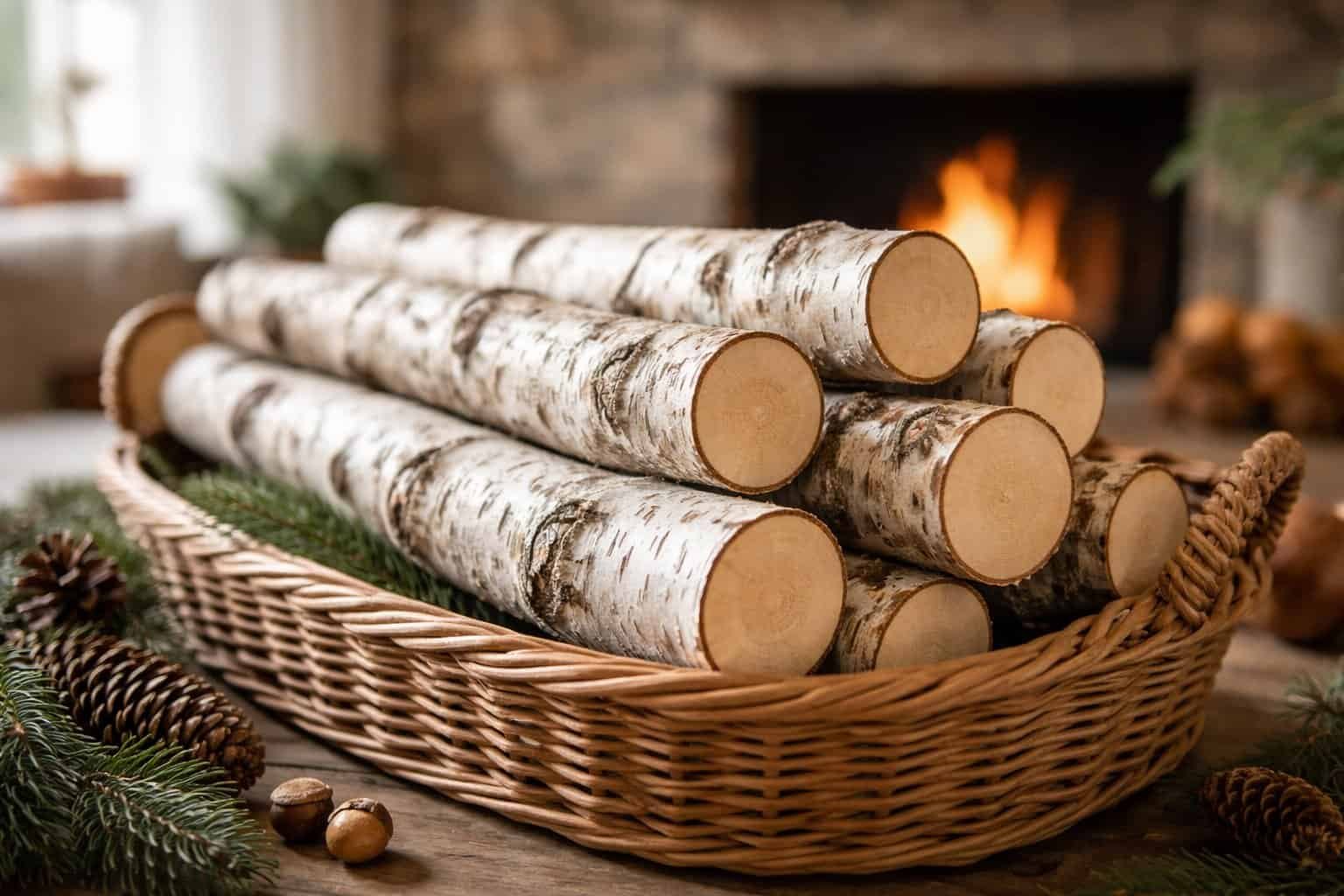

How to preserve birch logs for decoration is a question many homeowners, stylists, and DIY decorators ask after discovering how quickly untreated birch deteriorates. Birch logs are admired for their crisp white bark, fine horizontal markings, and rustic elegance. Decorative birch instantly elevates fireplaces, shelves, weddings, and seasonal displays, yet the same beauty fades fast without proper care.
Birch is a high-moisture wood, which means untreated logs often crack, peel, grow mold, or attract insects within weeks. Preservation is not about changing the look—it is about locking in the natural character while preventing decay. Properly preserved birch logs can last 5–10 years indoors and several seasons outdoors with minimal maintenance.
This guide explains how to preserve birch logs for decoration step by step, starting with understanding the wood itself and selecting the right logs. Practical methods, professional tips, and real-use insights are included to help achieve long-lasting results without guesswork.
“Preservation isn’t about perfection. It’s about slowing nature down just enough to keep the beauty intact.”
In This Article
Understanding Birch Wood Before Preservation
Birch wood behaves differently from oak, pine, or cedar, which makes preservation especially important. Recognizing these characteristics helps avoid common mistakes.
Key Characteristics of Birch Logs
Birch logs have unique traits that directly affect preservation:
- Thin, papery bark that peels easily
- High sap and moisture content, especially when freshly cut
- Low natural rot resistance compared to hardwoods like teak
- Susceptibility to insects, including bark beetles
These traits explain why birch logs left untreated often show problems such as bark curling, dark mold spots, or fine exit holes from insects.
Why Birch Logs Deteriorate Quickly
Moisture trapped beneath the bark creates the perfect environment for fungi and pests. Once decay starts, damage spreads rapidly under the surface, even if the bark still looks attractive.
Common issues seen in unpreserved birch logs:
| Problem | Cause | Timeframe |
| Bark peeling | Rapid moisture loss | 2–4 weeks |
| Mold staining | Trapped humidity | 1–3 months |
| Insect damage | Untreated sapwood | 3–6 months |
| Cracking | Uneven drying | First drying cycle |
Understanding these risks clarifies why learning how to preserve birch logs for decoration before using them indoors or outdoors saves time and money.
Choosing the Right Birch Logs for Decorative Use
Preservation success starts with log selection. Even the best treatments cannot fully fix poor-quality wood.
Fresh-Cut vs. Naturally Fallen Birch Logs
Fresh-cut birch logs offer the best results for decorative preservation.
Fresh-cut logs
- Bark remains tight and flexible
- Minimal insect activity
- Controlled drying process possible
Naturally fallen logs
- Often already host mold or insects
- Bark may loosen or darken
- Shorter decorative lifespan
Decorators aiming for clean, modern, or Scandinavian-style décor almost always choose fresh-cut birch for this reason.
Ideal Size and Condition for Decorative Birch
Birch logs used for decoration typically fall within specific size ranges:
| Use Case | Ideal Diameter | Ideal Length |
| Fireplace décor | 3–6 inches | 12–18 inches |
| Table centerpieces | 2–4 inches | 8–12 inches |
| Floor baskets | 4–8 inches | 16–24 inches |
| Wall accents | 2–3 inches | Custom-cut |
Bark should appear white to light cream, with visible lenticels and minimal dark spotting. Soft areas, strong odors, or flaking bark signal early decay and should be avoided.
Quick Quality Checklist
Before preserving birch logs for decoration, confirm the following:
- Bark feels firm, not spongy
- No visible insect holes or sawdust
- Ends show fresh, light-colored wood
- Surface smells clean, not musty
Selecting quality material dramatically improves how well preservation methods perform later.
When to Harvest Birch Logs for Best Preservation Results
Timing plays a major role in how to preserve birch logs for decoration successfully. Birch behaves differently depending on the season it is cut, and choosing the right moment can significantly reduce peeling, cracking, and insect issues.
Best Season to Harvest Birch Logs
Late fall through mid-winter offers the most reliable results.
Why colder months work best:
- Sap levels are lower, reducing moisture retention
- Insect activity is minimal
- Bark adheres more firmly to the wood
- Drying happens at a slower, safer pace
Birch cut during spring or early summer contains higher sap levels, making it more prone to bark separation and mold growth. Decorative logs harvested in warmer seasons require extra treatment steps to achieve similar longevity.
Ideal Moisture Content for Decorative Birch
Fresh birch logs often contain 45–55% moisture content. For decorative use, reducing this level gradually to 12–18% prevents structural stress while maintaining bark integrity.
Signs the log is ready for preservation treatments:
- Surface feels dry but not brittle
- Bark remains tight and smooth
- Ends show minor checking, not deep cracks
Rushing this phase leads to cosmetic damage that no sealant can fully hide.
Preparing Birch Logs: Cleaning and Initial Drying
Proper preparation sets the foundation for every method that follows. Skipping this step often results in trapped moisture and future decay, regardless of the preservation technique used.
Cleaning Birch Logs Without Damaging the Bark
Cleaning should focus on removing surface contaminants while protecting the bark’s delicate layers.
Recommended cleaning process:
- Brush off loose dirt using a soft-bristle brush
- Wipe gently with a damp cloth
- Avoid pressure washing or soaking
- Let surface moisture evaporate naturally
Harsh cleaners and prolonged water exposure weaken the bark’s bond to the wood, leading to peeling later.
“Gentle preparation keeps the bark intact; aggressive cleaning shortens its life.”
Initial Air-Drying Methods
Air-drying is the safest way to begin preserving birch logs for decoration.
Best air-drying setup:
- Store logs horizontally on slats or spacers
- Keep them off concrete or bare soil
- Choose a shaded, well-ventilated area
- Rotate logs weekly for even exposure
Drying should occur slowly over 4–8 weeks, depending on log size and climate. Direct sunlight speeds moisture loss unevenly and causes surface cracks.
Common air-drying mistakes to avoid:
- Stacking logs tightly together
- Using plastic covers that trap humidity
- Placing logs near heaters or vents
How to Preserve Birch Logs for Decoration Using Natural Drying Techniques
Natural drying techniques are popular among decorators who prefer chemical-free preservation while maintaining a raw, organic appearance.
Slow Drying vs. Accelerated Drying
Slow drying remains the gold standard for decorative birch.
| Drying Method | Advantages | Drawbacks |
| Slow air-drying | Preserves bark, minimal cracking | Takes longer |
| Accelerated drying | Faster results | High risk of peeling |
Decorators using birch logs for indoor displays often accept longer drying times to ensure flawless bark texture.
Preventing Cracks and Bark Separation Naturally
Several low-intervention techniques help stabilize birch logs during drying:
- Seal the cut ends with beeswax or wood end sealer
- Maintain stable airflow without drafts
- Store logs at consistent temperatures
- Avoid sudden humidity changes
Sealing the ends slows moisture loss where cracking starts most often, keeping the bark smooth and intact.
Case Study: Rustic Birch Fireplace Display
A home decorator in Minnesota preserved 20 birch logs using slow air-drying and end-sealing. After six years indoors, the logs retained:
- Original bark color
- No insect damage
- Minimal checking at the ends
This approach demonstrates that natural methods, when done patiently, deliver professional-quality results.
How to Preserve Birch Logs for Decoration with Chemical Treatments
Chemical treatments provide an extra layer of protection when natural drying alone is not enough. These methods are especially useful for logs intended for long-term indoor displays or decorative outdoor use in humid climates.
Using Borax and Boric Acid for Insect Prevention
Borax and boric acid are widely used because they are effective, affordable, and low-toxicity when applied correctly.
Why borate treatments work well on birch logs:
- Penetrate sapwood beneath the bark
- Kill wood-boring insects at all life stages
- Prevent future infestations
- Do not discolor birch bark
Simple borate solution ratio:
- 1 cup borax
- 1 cup boric acid
- 1 gallon warm water
Apply the solution with a brush or sprayer, focusing on the cut ends and bark crevices. Allow logs to dry completely for 48–72 hours before sealing.
“Borate treatments protect what you can’t see—inside the wood.”
Commercial Wood Preservatives: Pros and Cons
Some decorators choose ready-made preservatives for convenience.
| Product Type | Benefits | Considerations |
| Borate-based preservatives | Long-lasting insect protection | Indoor use recommended |
| Clear wood preservatives | Added moisture resistance | May darken bark slightly |
| Outdoor-grade treatments | Weather protection | Often too harsh for décor |
Indoor décor benefits most from clear, non-oily formulations that leave no residue or odor.
Safety Tips When Using Chemical Treatments
Safe handling ensures both effectiveness and peace of mind:
- Wear gloves and eye protection
- Apply in well-ventilated areas
- Allow full curing before indoor use
- Store treated logs away from pets and children during drying
Chemical methods extend the lifespan of decorative birch logs by several additional years when combined with proper sealing.
Sealing Birch Bark Without Losing Its Natural Look
Sealing is the step that locks in preservation efforts while maintaining the signature birch appearance.
Best Sealants for Birch Logs
Not all sealants work well with birch bark. Flexible, breathable options perform best.
Top sealant choices for decorative birch logs:
- Water-based polyurethane (matte finish)
- Clear acrylic spray sealant
- Natural wax blends for low-sheen results
Avoid oil-based finishes, which darken bark and cause peeling over time.
Matte vs. Glossy Finishes
Finish choice affects both appearance and longevity.
| Finish Type | Visual Effect | Best Use |
| Matte | Natural, raw texture | Scandinavian and rustic décor |
| Satin | Slight depth | Modern interiors |
| Gloss | Reflective | Rarely recommended for birch |
Most designers prefer matte finishes, as they preserve the soft, organic character birch is known for.
Application Tips for Even Coverage
Achieving professional results requires patience:
- Apply thin coats rather than heavy layers
- Allow each coat to dry fully
- Lightly rotate logs between coats
- Seal ends thoroughly to prevent checking
Proper sealing stabilizes the bark and protects against humidity fluctuations indoors.
How to Preserve Birch Logs for Decoration Indoors vs. Outdoors
Preservation needs vary greatly depending on where the logs will be displayed.
Indoor Decorative Birch Preservation
Indoor environments are more forgiving, but consistency still matters.
Indoor preservation priorities:
- Stable humidity (35–55%)
- Protection from direct sunlight
- Minimal temperature swings
Properly preserved indoor birch logs often last 7–10 years with minimal upkeep.
Outdoor Decorative Birch Preservation
Outdoor displays require added protection due to weather exposure.
Outdoor-specific steps include:
- Extra borate treatment
- UV-resistant sealant
- Elevating logs off the ground
- Annual inspection and resealing
Even with precautions, outdoor birch logs typically last 2–4 seasons, depending on climate.
Quick Comparison Table
| Environment | Treatment Level | Expected Lifespan |
| Indoor | Moderate | 7–10 years |
| Covered outdoor | High | 3–5 years |
| Fully exposed | Very high | 1–2 years |
Understanding these differences ensures realistic expectations and better results when learning how to preserve birch logs for decoration.
Preventing Mold, Mildew, and Pests in Preserved Birch Logs
Even after careful preservation, environmental factors can introduce new risks. Long-term success with how to preserve birch logs for decoration depends on proactive prevention rather than reactive fixes.
Common Threats to Decorative Birch Logs
Mold, mildew, and insects appear under predictable conditions. Recognizing early warning signs prevents permanent damage.
Primary threats include:
- Mold and mildew from excess humidity
- Powderpost beetles attracted to untreated sapwood
- Silverfish and ants in damp storage areas
White or gray spotting, musty odors, or fine sawdust near log ends indicate a developing problem.
Practical Prevention Strategies
Preventive care keeps decorative birch logs visually clean and structurally sound.
Effective prevention techniques:
- Maintain indoor humidity between 35–55%
- Store logs away from exterior walls
- Inspect quarterly for discoloration or residue
- Use silica gel or charcoal nearby to absorb moisture
When minor mold appears, wiping with a vinegar-water solution (1:1) followed by complete drying often resolves the issue without harming the bark.
“Moisture control does more than any single product.”
Common Mistakes When Preserving Birch Logs for Decoration
Many decorative birch failures stem from small but avoidable errors. Understanding these missteps helps ensure long-term success.
Over-Drying or Rushing the Process
Speed is the enemy of birch preservation. Fast drying leads to:
- Bark separation
- End checking
- Permanent texture loss
Allowing adequate air-drying time remains essential, even when chemical treatments are planned.
Sealing Too Early or Incorrectly
Applying sealant before moisture levels stabilize traps water beneath the bark. This mistake often results in hidden mold that surfaces months later.
Correct sealing checklist:
- Logs feel dry but not brittle
- No condensation under plastic wrap test
- Ends show controlled, shallow cracks
Using the Wrong Products
Certain products harm birch bark rather than protect it.
| Product Type | Result |
| Oil-based varnish | Darkens and loosens bark |
| Exterior stain | Masks natural texture |
| Thick epoxy | Causes peeling over time |
Choosing breathable, flexible finishes protects the wood without compromising appearance.
How Long Preserved Birch Logs Last in Decorative Displays
Longevity varies based on preservation method, environment, and maintenance habits. Properly handled birch consistently outperforms expectations.
Expected Lifespan by Preservation Method
| Preservation Approach | Indoor Lifespan | Outdoor Lifespan |
| Air-drying only | 3–5 years | 1 season |
| Air-drying + sealing | 5–7 years | 2–3 seasons |
| Full treatment + sealing | 7–10 years | 3–4 seasons |
Decorators aiming for long-term indoor displays benefit most from combining natural drying, borate treatment, and matte sealing.
Signs Logs Need Retreatment
Reapplying protection extends decorative life.
Watch for:
- Dull or chalky bark surface
- New hairline cracks at cut ends
- Slight bark lifting at edges
Light sanding followed by a fresh sealant coat often restores both appearance and protection.
Creative Decorative Uses for Preserved Birch Logs
Once the preservation process is complete, birch logs become versatile décor elements that work across styles and seasons. Understanding how to preserve birch logs for decoration opens the door to long-lasting design possibilities rather than short-lived accents.
Popular Decorative Applications
Preserved birch logs blend naturally with rustic, modern, and minimalist interiors.
Common decorative uses include:
- Fireplace log stacks for visual warmth
- Coffee table or dining table centerpieces
- Floor baskets paired with greenery
- Vertical wall arrangements in entryways
- Seasonal displays for winter and holidays
Designers often mix birch with soft textiles, metal accents, or greenery to balance its crisp texture.
Case Study: Scandinavian-Inspired Living Room
A home stylist used preserved birch logs in a Nordic-style living room featuring neutral textiles and matte black accents. After eight years, the logs maintained:
- Bright bark coloration
- Tight, intact bark layers
- No visible mold or insect damage
The success came from slow drying, borate treatment, and a breathable matte sealant—proof that proper preservation supports long-term design impact.
Storage and Maintenance Tips for Long-Term Birch Log Preservation
Storage plays a critical role in extending decorative lifespan, especially for seasonal displays.
Proper Storage Conditions
Correct storage prevents moisture-related damage during off-seasons.
Ideal storage environment:
- Cool, dry, and well-ventilated space
- Elevated shelves or pallets
- Breathable fabric covers, not plastic
- Consistent humidity below 55%
Logs stored directly on concrete floors absorb moisture even in dry climates, increasing the risk of mold.
Routine Maintenance Checklist
Minimal upkeep keeps preserved birch logs looking fresh.
- Dust bark surfaces every few months
- Inspect ends and seams twice yearly
- Reapply sealant every 2–3 years indoors
- Spot-treat minor issues immediately
Small efforts prevent the need for full restoration later.
Final Thoughts: Mastering How to Preserve Birch Logs for Decoration
Mastering how to preserve birch logs for decoration transforms fragile natural wood into durable, timeless décor. Thoughtful harvesting, slow drying, targeted treatments, and breathable sealing work together to protect both structure and beauty.
Birch logs preserved correctly offer:
- 7–10 years of indoor decorative life
- Stable bark with minimal maintenance
- Natural elegance that adapts to changing design trends
Approaching preservation with patience and precision delivers results that rival professionally prepared décor pieces—without sacrificing authenticity. For further technical insight into wood preservation principles, authoritative resources such as the U.S. Forest Service Wood Handbook provide valuable background on wood behavior and durability:
https://www.fs.usda.gov/research/products/publications/wood-handbook
Preserved birch logs reward careful preparation with lasting charm, making them a worthy investment for anyone seeking natural, enduring decorative elements.

I’m the creator behind EasyDecora, a home–decor lover who enjoys discovering simple, beautiful ways to make every room feel cozy and intentional. I share practical tips, creative ideas, and inspiration for anyone who wants to build a home they truly love.