
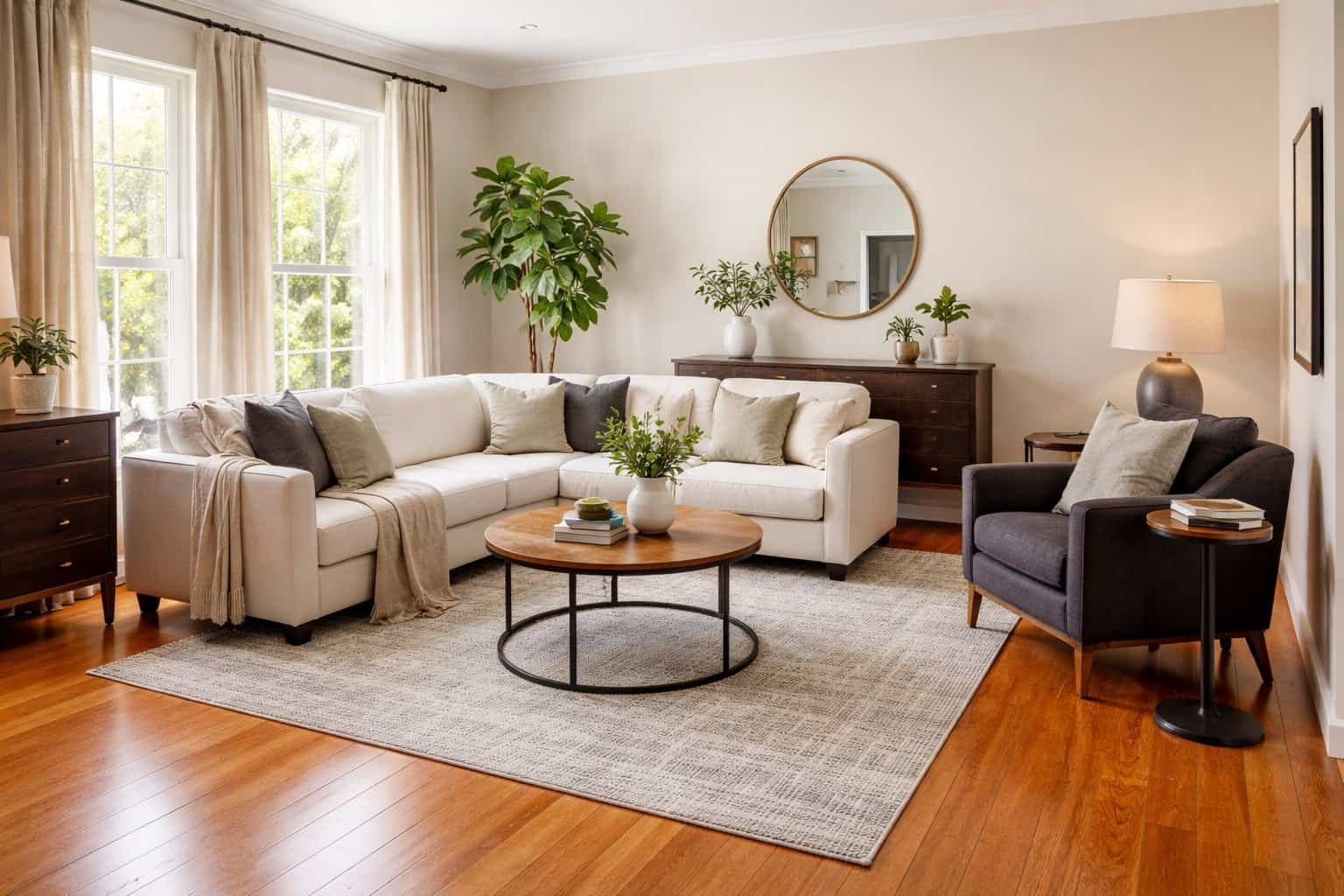

Orange wood floors are one of the most misunderstood flooring choices in interior design. Many homeowners struggle with how to decorate with orange wood floors because the color feels dominant, dated, or difficult to balance. Yet, when approached correctly, these floors can bring rich warmth, depth, and character that cooler-toned flooring simply cannot replicate.
The key lies in working with the undertone rather than fighting it. Orange wood floors reflect light differently, amplify surrounding colors, and influence every design decision—from wall paint to furniture finishes. This guide breaks down exactly how to decorate with orange wood floors using practical, proven strategies that designers rely on every day.
“Warm wood floors aren’t a flaw—they’re a foundation. The room succeeds when the rest of the palette knows its role.”
By the end of this article, you will understand how to turn orange wood floors into a design asset instead of a limitation.
In This Article
Orange Wood Floors: Tone, Warmth, and Visual Impact
Orange wood floors typically come from materials such as oak (especially red oak), maple, cherry, or jatoba. Over time, exposure to light and oxygen deepens the warm pigments, making the orange undertone more pronounced.
What Makes Wood Floors Look Orange?
Several factors influence the intensity of orange tones:
- Natural wood species with red or amber undertones
- Oil-based finishes, which warm the wood significantly
- Aging and UV exposure, darkening floors over time
- Warm lighting, especially bulbs above 3000K
Understanding these elements helps guide decorating decisions instead of guessing.
Orange vs. Red vs. Honey Wood Tones
| Wood Tone | Visual Feel | Decorating Challenge |
| Orange | Bold, warm, energetic | Can overpower cool palettes |
| Red | Deep, dramatic | May clash with neutrals |
| Honey | Soft, golden | Easier to blend but still warm |
Orange wood floors sit at the most visually assertive end of the warm-wood spectrum. That strength requires intentional balance.
Why Undertones Matter More Than Color Names
Paint labeled “neutral” can still clash with orange floors if undertones are ignored. Beige with pink undertones intensifies orange floors, while greige with green or gray bases calms them.
Design fact:
The eye exaggerates warm colors when they sit next to other warm tones.
Balancing orange floors means introducing cooler, grounding elements—not more warmth.
How to Decorate With Orange Wood Floors Using the Right Wall Colors
Wall color selection remains the single most powerful tool when learning how to decorate with orange wood floors. The right paint instantly modernizes the space, while the wrong one makes floors feel dated.
Best Wall Colors That Balance Orange Wood Floors
Wall colors that work best share one trait: cool or neutral undertones.
Top-performing options include:
- Soft greige with gray dominance
- Muted sage or olive green
- Warm whites with gray bases
- Light taupe or mushroom tones
These shades absorb excess warmth rather than reflecting it.
Wall Colors to Avoid With Orange Wood Floors
Certain colors intensify orange tones and should be used cautiously or avoided entirely:
- Creamy yellows
- Warm beige with pink undertones
- Terracotta or rust hues
- Orange-leaning off-whites
A wall color should calm the floor, not echo it.
Recommended Paint Undertones at a Glance
| Undertone | Effect on Orange Floors |
| Gray | Neutralizes warmth |
| Green | Softens intensity |
| Blue | Adds contrast (use lightly) |
| Pink | Amplifies orange |
Case Study: Small Living Room Transformation
A 14×16 living room with red oak floors originally used warm beige walls. The result felt dark and overly orange. Switching to a light greige with gray undertones immediately:
- Reduced floor glare
- Made furniture colors feel intentional
- Improved natural light reflection
No flooring changes required—only smarter color selection.
Choosing Furniture Colors That Balance Orange Wood Floors
Furniture plays a major role in determining whether orange wood floors feel intentional or overwhelming. When learning how to decorate with orange wood floors, furniture should act as a visual anchor, not a competing element.
Best Furniture Colors for Orange Wood Floors
Furniture that works well shares one common quality: controlled contrast.
Recommended furniture colors include:
- Charcoal gray and soft black
- Warm whites and off-whites
- Deep olive, forest green, or muted teal
- Taupe and greige upholstery
These tones visually pull attention upward, preventing the floor from dominating the room.
Wood Furniture Finishes: Match or Contrast?
Matching wood tones too closely often backfires. Orange floors paired with similarly warm wood furniture create a monotone effect.
Better alternatives:
- Dark-stained wood (espresso, walnut) for contrast
- Light neutral woods with minimal red undertones
- Painted furniture in matte finishes
| Furniture Finish | Visual Result |
| Matching orange wood | Flat and dated |
| Dark walnut | Grounded and elegant |
| Painted white/gray | Fresh and modern |
Contrast defines design. Harmony without contrast feels unfinished.
Upholstery Choices That Work Best
Fabric selection matters just as much as color. Textures absorb light differently and can soften the intensity of orange floors.
Top upholstery materials:
- Linen blends
- Matte leather
- Performance fabrics with texture
- Bouclé and woven textiles
Avoid glossy leather or silk finishes that reflect warmth back onto the floor.
How to Decorate With Orange Wood Floors Through Area Rugs
Area rugs are one of the fastest and most effective tools for decorating with orange wood floors. A well-chosen rug visually breaks up the floor’s intensity while adding softness and structure.
Best Rug Colors for Orange Wood Floors
Rug colors should counterbalance warmth rather than reinforce it.
Best-performing rug shades include:
- Soft gray and charcoal
- Cream with cool undertones
- Muted blue-gray
- Sage, moss, or olive green
Avoid rugs dominated by rust, gold, or orange patterns, as they exaggerate the floor’s undertone.
Patterns vs. Solid Rugs: What Works Best?
Patterned rugs tend to perform better than solid ones because they disrupt large areas of visible flooring.
Effective rug patterns:
- Subtle geometric designs
- Low-contrast Persian styles
- Distressed or faded motifs
High-contrast modern patterns also work well in contemporary interiors.
Proper Rug Sizing Makes a Difference
Undersized rugs leave too much exposed flooring, increasing the orange effect.
General sizing guidelines:
- Front legs of furniture should rest on the rug
- Living rooms benefit from 8×10 or larger
- Dining rugs should extend at least 24 inches beyond the table
Correct sizing visually grounds the space and reduces color dominance.
Using Window Treatments to Soften Orange Wood Floors
Window treatments influence how light interacts with orange wood floors. The wrong fabric amplifies warmth, while the right one gently diffuses it.
Best Curtain and Blind Colors
Window treatments should echo wall tones rather than the floor.
Strong choices include:
- Warm gray or greige drapery
- Soft white with neutral undertones
- Muted linen beige
- Light sage or blue-gray
Sheer white curtains with a cool base work particularly well in bright rooms.
Fabric Choice Matters
Texture absorbs light and reduces color reflection.
Recommended materials:
- Linen
- Cotton blends
- Light wool weaves
Shiny or satin-like fabrics should be avoided, as they reflect warm tones directly onto the floor.
Height and Length Styling Tips
Mounting curtains closer to the ceiling elongates the wall and shifts focus upward, helping the floor recede visually.
Styling best practices:
- Hang rods 6–10 inches above window frames
- Use floor-length panels
- Keep colors consistent across the room
The eye follows vertical lines upward, reducing attention on dominant flooring.
How to Decorate With Orange Wood Floors Using Metal and Accent Finishes
Accent finishes quietly influence how warm or cool a space feels. When deciding how to decorate with orange wood floors, metals and small decorative details often make the difference between a polished room and one that feels visually cluttered.
Best Metal Finishes for Orange Wood Floors
Cool or neutral metals help counteract warmth without making the room feel cold.
Most effective metal finishes include:
- Matte black
- Brushed nickel
- Aged or satin brass
- Gunmetal
Highly polished gold or copper tends to reflect warm tones and should be used sparingly.
| Metal Finish | Effect on Orange Floors |
| Matte black | Strong contrast, modern |
| Brushed nickel | Soft balance, timeless |
| Aged brass | Warm but controlled |
| Polished gold | Intensifies orange |
Metal finishes act like punctuation marks in design—subtle, but impactful.
How to Use Accents Without Overwhelming the Space
Accent pieces should be intentional rather than repetitive.
Well-balanced accent ideas:
- Black metal floor lamps
- Neutral ceramic vases
- Stone or concrete trays
- Framed art with thin black or silver frames
Limiting accent colors to two or three tones keeps orange floors from feeling chaotic.
Lighting Choices That Improve the Look of Orange Wood Floors
Lighting dramatically affects how orange wood floors appear throughout the day. Even perfectly styled rooms can look overly warm under the wrong bulbs.
Best Light Temperature for Orange Wood Floors
Bulb temperature is measured in Kelvins (K). Choosing the right range helps neutralize excess warmth.
Ideal lighting temperatures:
- 2700K–3000K for living rooms and bedrooms
- 3000K–3500K for kitchens and workspaces
Anything above 4000K may feel harsh, while overly warm bulbs intensify orange tones.
Layered Lighting Creates Visual Balance
Relying on a single overhead light exaggerates floor color.
Effective lighting layers include:
- Ceiling fixtures for ambient light
- Table and floor lamps for warmth control
- Wall sconces to pull focus upward
Soft, diffused light minimizes glare on glossy wood finishes.
Fixture Styles That Work Best
Fixture color and material matter just as much as brightness.
Recommended styles:
- Black or bronze finishes
- Frosted glass shades
- Fabric drum lampshades
Clear glass bulbs expose warm filaments, often worsening the orange effect.
Decorating Different Rooms With Orange Wood Floors
Different rooms demand different strategies when decorating with orange wood floors. Function, lighting, and mood all influence design choices.
Living Rooms: Creating Balance and Flow
Living rooms benefit from strong grounding elements.
Key strategies:
- Large neutral area rug
- Dark or neutral sofa upholstery
- Cool-toned throw pillows and artwork
These elements keep the space cohesive while allowing the floor to add warmth naturally.
Bedrooms: Softening the Warmth
Bedrooms require a calmer palette.
Effective bedroom solutions:
- Upholstered beds in gray or linen
- Layered neutral bedding
- Minimal exposed floor space
Textiles play a larger role here, reducing the visual weight of orange flooring.
Dining Spaces: Enhancing Without Competing
Dining rooms can embrace warmth slightly more than other spaces.
Best practices:
- Dark wood or black dining tables
- Neutral upholstered chairs
- Statement lighting to draw attention upward
Every room tells a different story, even when the floors stay the same.
How to Decorate With Orange Wood Floors Using Greenery and Natural Elements
Greenery introduces contrast that feels natural rather than forced. When exploring how to decorate with orange wood floors, plants and organic materials often provide the most effortless balance.
Best Plant Types for Orange Wood Floors
Green hues sit opposite orange on the color spectrum, creating visual harmony.
Top plant choices include:
- Fiddle leaf fig
- Snake plant
- Olive tree
- Rubber plant
Deep green leaves visually cool the warmth of orange flooring without overpowering the space.
Planters and Containers That Work Best
Planter color and texture matter just as much as the plant itself.
Effective planter styles:
- Matte black ceramic
- Stone or concrete
- Soft gray or off-white clay
- Natural woven baskets
Avoid terracotta pots indoors, as they echo the orange tones of the floor.
Natural Materials That Add Balance
Layering organic textures enhances depth and softness.
Complementary materials include:
- Linen and cotton textiles
- Light stone and marble
- Raw wood with minimal warmth
- Woven jute and seagrass (used sparingly)
Nature balances warmth with calm—use it intentionally.
Common Decorating Mistakes to Avoid With Orange Wood Floors
Many decorating issues stem from repeating the same warm tones throughout the room. Recognizing these mistakes prevents costly redesigns.
Frequent Errors Homeowners Make
Mistakes to avoid:
- Matching furniture wood tones to the floor
- Using warm beige or yellow paint
- Choosing rugs with rust or gold patterns
- Installing overly warm lighting
Each of these amplifies the orange undertone rather than balancing it.
Why Overcorrection Is Also a Problem
Going too cool can create visual tension.
Avoid extremes like:
- Stark white walls
- High-contrast icy grays
- Excessive chrome or silver
Balance—not opposition—creates timeless results.
Modern vs Traditional Styles: Adapting Orange Wood Floors to Your Aesthetic
Orange wood floors adapt surprisingly well to many design styles when treated as a foundation rather than a limitation.
Making Orange Wood Floors Work in Modern Interiors
Modern spaces rely on contrast and restraint.
Successful modern strategies:
- Minimal color palettes
- Matte black accents
- Clean-lined furniture
- Textured neutrals
Limiting decorative clutter allows the floor to add warmth without dominating.
Enhancing Traditional and Classic Designs
Traditional interiors benefit from the richness of orange wood floors.
Classic styling tips:
- Layered textiles
- Dark wood furniture
- Subtle patterns and trims
The goal is cohesion rather than competition.
Simple Updates That Instantly Improve Orange Wood Floors
Large renovations are unnecessary to improve orange wood floors. Small changes often deliver the biggest visual impact.
Quick Wins With High Impact
Instant improvement ideas:
- Swap warm bulbs for neutral lighting
- Add a large neutral rug
- Introduce black or gray accent pieces
- Replace warm-toned curtains
These updates require minimal investment and no construction.
Budget-Friendly Design Adjustments
Low-cost changes can dramatically shift perception.
| Update | Estimated Impact |
| New rug | Very high |
| Paint refresh | High |
| Lighting change | High |
| Decor swap | Moderate |
Final Thoughts: How to Decorate With Orange Wood Floors Successfully
Learning how to decorate with orange wood floors comes down to understanding balance, undertones, and contrast. These floors do not need to be hidden or replaced. They simply require thoughtful design choices that allow their warmth to support the overall space.
Orange wood floors perform best when paired with:
- Cool or neutral wall colors
- Contrasting furniture finishes
- Balanced lighting
- Natural textures and greenery
When treated as a design anchor rather than a challenge, orange wood floors become a defining feature that adds depth, character, and timeless warmth to any home.
For further guidance on color undertones and lighting standards, refer to resources from the U.S. Department of Energy on residential lighting and bulb temperature selection, which provides reliable, science-backed information for home interiors: https://www.energy.gov/energysaver/lighting-choices-save-you-money
Design thrives when warmth is balanced with intention.

I’m the creator behind EasyDecora, a home–decor lover who enjoys discovering simple, beautiful ways to make every room feel cozy and intentional. I share practical tips, creative ideas, and inspiration for anyone who wants to build a home they truly love.