
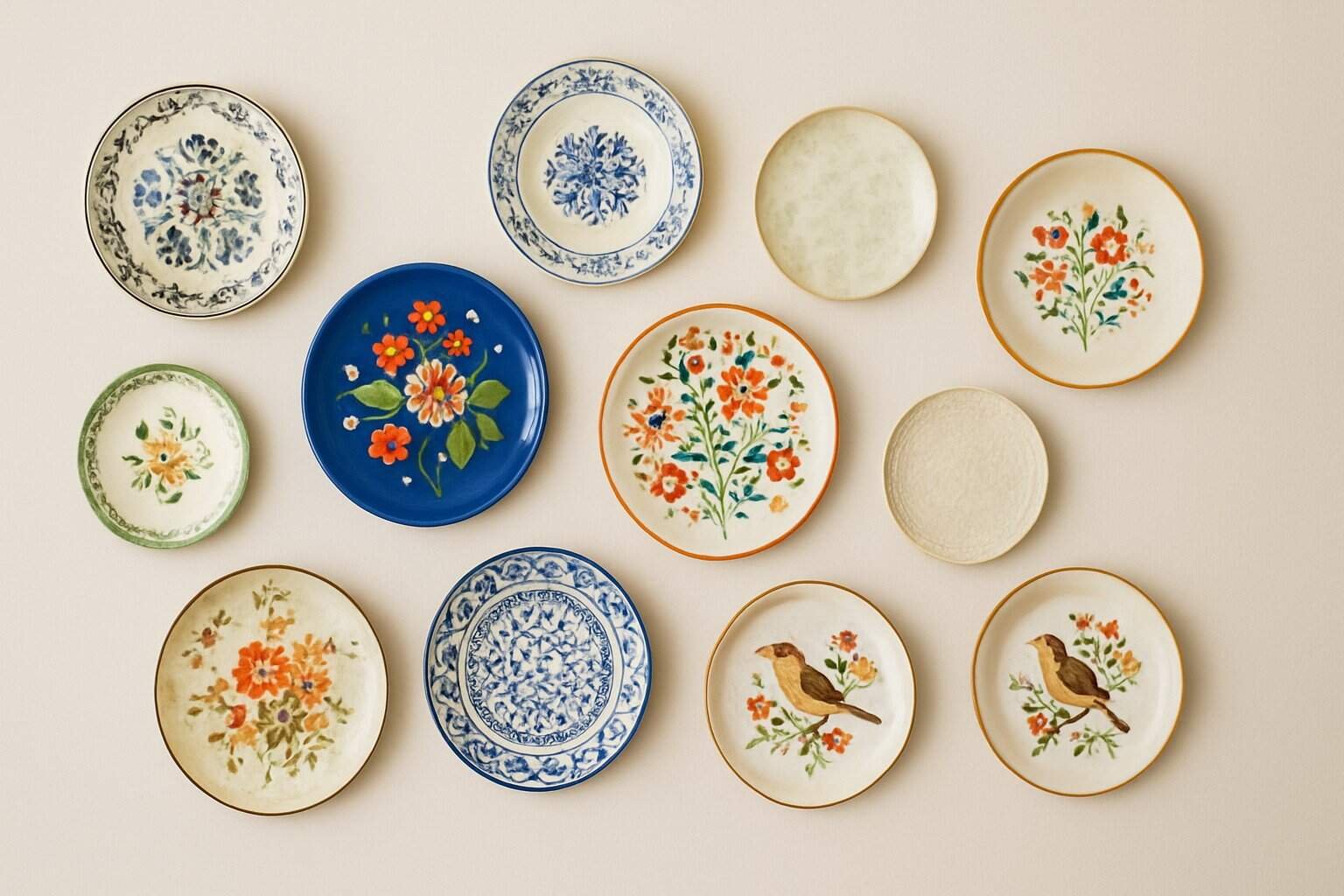

Decorative plates to hang on the wall have quietly evolved from traditional heirlooms to modern design accents found in stylish homes worldwide. These pieces offer more than simple embellishment—they tell stories, highlight craftsmanship, and add character to blank walls without overwhelming a space. People are drawn to them because they combine art, heritage, and interior styling in a way that feels both personal and visually striking.
Whether the plates are hand-painted ceramics from a local artisan or antique porcelain passed down through generations, they spark curiosity and often become conversation starters. Interior designers appreciate them for their versatility. They work beautifully in minimalist rooms that need subtle texture, eclectic interiors craving color, or classic homes looking for a touch of tradition.
This guide explores everything from materials and styles to arrangement ideas and maintenance tips. With the right approach, decorative plates can transform a wall into a curated art display filled with meaning and beauty.
In This Article
Decorative Plates to Hang on the Wall: Purpose, Styles, and Appeal
Decorative wall plates serve one primary purpose: to elevate a space through artistry and design. While they were historically displayed in cabinets or placed on stands, modern homeowners increasingly prefer hanging them on walls because the effect is more sculptural and dynamic.
Why People Love Decorative Wall Plates
- They offer instant charm. Plates provide warmth without feeling heavy or cluttered.
- They highlight culture and craftsmanship. Many designs—Moroccan, Greek, Italian, Japanese, Mexican—carry distinctive artistic traditions.
- They adapt to any décor theme. Whether someone loves farmhouse, boho, modern, vintage, or coastal designs, there’s a plate style to match.
- They are flexible for layout changes. Rearranging a display is quick and budget-friendly.
Popular Styles of Decorative Plates
Decorative plates fall into dozens of categories, but some of the most sought-after include:
| Style Type | Characteristics | Best For |
| Hand-Painted Ceramic Plates | Bold colors, artisanal brushwork, folk motifs | Eclectic, rustic, boho interiors |
| Porcelain Plates | Fine detailing, glossy finish, often floral or classical | Traditional or vintage-inspired rooms |
| Metal Wall Plates | Brass, copper, or mixed metals, hammered textures | Modern, industrial, luxe designs |
| Glass Plates | Translucent colors, modern shapes | Contemporary or artistic décor |
| Cultural/Heritage Plates | Designs rooted in regional traditions (e.g., Talavera, Delft, Kutani) | Statement walls with cultural depth |
Emotional and Aesthetic Appeal
Homeowners often choose decorative plates because they evoke a sense of nostalgia or identity. Many families display pieces collected on travels as a visual timeline of memorable moments. Others use artist-made plates as a way to support local creators. In any case, plates bring something unique—dimension. Unlike flat artwork, the gentle curvature of a plate casts delicate shadows, giving the wall subtle movement and texture.
Popular Materials Used for Decorative Plates to Hang on the Wall
The material of a decorative plate shapes its durability, weight, cleaning needs, and overall look. Choosing the right material ensures the display remains safe and beautiful for years.
Ceramic and Porcelain
These are the most traditional and arguably the most loved materials for decorative wall plates.
- Ceramic offers earthy textures and is common in handmade folk pieces.
- Porcelain delivers a refined, polished surface ideal for collectors.
- Both are durable and long-lasting when hung correctly.
Fun fact: High-quality porcelain, such as bone china, can last over a century with proper care.
Glass Plates
Glass plates create a luminous display because they interact with natural and artificial light. They come in solid colors, artistic swirls, or fused-glass patterns. While visually stunning, they are more fragile than ceramic, so using secure mounting hardware is essential.
Metal Plates (Copper, Brass, Silver, and Alloy)
Metal plates bring a sculptural, contemporary feel. They’re usually lightweight, resistant to aging, and perfect for homeowners who want something beyond traditional plates. Hammered and embossed surfaces add extra depth.
Wood and Resin Plates
While not as common, wood and resin plates appeal to those who love organic or modern décor. These materials are lightweight, making them ideal for large walls or renters who want minimal damage.
Hand-Painted vs. Printed Designs
- Hand-painted plates offer softness, irregularities, and charm that reflect real craftsmanship.
- Printed designs provide crisp detailing and are usually more affordable for larger installations.
Below is a quick comparison:
| Material | Strengths | Considerations |
| Ceramic | Durable, artisan appeal | Heavier; needs secure hangers |
| Porcelain | Elegant, high-end look | More fragile if dropped |
| Glass | Light-reflective, artistic | Requires careful mounting |
| Metal | Modern, lightweight | May tarnish over time |
| Wood/Resin | Lightweight, trendy | Not ideal for humid spaces |
Choosing Decorative Plates for Wall Display: Key Factors to Consider
Decorative plates to hang on the wall come in countless styles, sizes, and finishes, which makes the selection process exciting but sometimes overwhelming. Choosing wisely ensures the plates not only look good individually but also complement the overall design of the room.
Size and Scale
Scale is crucial when putting together a visually balanced wall display.
Consider these guidelines:
- Small plates (6–8 inches): Perfect for clustered gallery walls or accent corners.
- Medium plates (9–11 inches): Ideal for dining rooms and living rooms where you want defined shapes without dominating the space.
- Large plates (12–16 inches): Great for one-plate statement displays or anchoring the center of an arrangement.
Case Study:
A homeowner in Austin created a dramatic focal wall using only three oversized 15-inch ceramic plates with hand-painted desert motifs. By choosing a consistent palette—terracotta, bone white, and dark teal—the display elevated an otherwise plain entryway.
Color Harmony With Existing Décor
The color of the plates should enhance the surrounding atmosphere rather than compete with it.
- Neutral interiors benefit from bold or patterned plates.
- Colorful rooms pair well with monochrome or minimalistic designs.
- Metallic plates can unify spaces with gold or copper accents.
Theme Cohesion
A clear theme makes the display feel intentional. Some popular themes include:
- Coastal blues and whites
- Floral porcelain
- Modern geometric prints
- Vintage European plates
- Folk art motifs from specific regions (e.g., Talavera from Mexico, Delft from the Netherlands)
Durability and Weight
Heavier materials like metal or porcelain require stronger mounting hardware. Light materials, such as wood or resin, are easier to rearrange.
Budget Considerations
A single artisan-made plate can cost between $30–$250, depending on craftsmanship.
Mixing high-value pieces with affordable finds from markets or thrift stores allows you to build a beautiful collection without overspending.
Wall Arrangement Ideas for Decorative Plates
Decorative plates to hang on the wall offer endless layout possibilities. The right arrangement can shift the mood of a room—from polished and formal to playful and artistic.
Single Statement Plate
A single plate can be surprisingly powerful when placed:
- Above a console table
- In a narrow hallway
- Behind a reading chair
- On a small kitchen wall
This technique works best with oversized plates or those featuring intricate hand-painted artwork.
Symmetrical Grid Layouts
A grid layout creates structure and order. It’s ideal for:
- Dining rooms
- Entryways
- Above buffets or sideboards
Use plates of identical size for a clean, professional look. This arrangement pairs beautifully with classic or minimalist décor.
Organic or Clustered Arrangements
These layouts allow creativity and movement. Instead of rigid symmetry, plates are arranged in a flowing form—often circular, diagonal, or cloud-shaped.
This style works particularly well with:
- Plates of varying sizes
- Vibrant colors
- Cultural or boho themes
Vertical or Horizontal Designs
Long, narrow walls benefit from vertical stacking, while wider spaces thrive with horizontal arrangements.
Mixing Plate Shapes
For homeowners who want a playful or contemporary feel, mixing round plates with oval, square, or even irregular artistic plates adds texture and personality.
How to Hang Decorative Plates Safely and Securely
Safety and longevity matter as much as appearance. Hanging decorative plates to display on the wall requires choosing the right hardware and following proper techniques.
Plate Hangers vs. Adhesive Mounts
Plate Hangers (Spring-Loaded or Adjustable)
- Most secure for ceramic, porcelain, and glass plates
- Allow airflow behind the plate, reducing moisture buildup
- Best choice for valuable or heavy plates
Adhesive Disc Mounts
- Ideal for lightweight plates
- Leave no visible hardware
- Suitable for renters who prefer minimal wall damage
Proper Spacing and Alignment Tips
- Maintain 2–2.5 inches between plates for clustered displays.
- Use a level to avoid crooked lines.
- Trace plate outlines on paper to test arrangements before committing.
Protecting the Wall
Place small felt pads behind ceramics to prevent:
- Scratches
- Paint rubbing
- Moisture marks
Handling Heavy Plates
Heavy metal or large porcelain plates may require:
- Wall anchors
- Drywall screws
- Stud-mounted hooks
Professional framing shops can also create custom mounts for particularly valuable pieces.
Tools You Might Need
- Tape measure
- Level
- Painter’s tape
- Screwdriver or drill
- Pencil for marking placement
Quote to Inspire:
“Walls are blank canvases—decorative plates turn them into stories.”
Creating a Focal Point Using Decorative Plates to Hang on the Wall
Decorative plates can transform an ordinary wall into a compelling focal point when arranged with intention. A focal wall draws the eye and creates a sense of purpose within the space. Using decorative plates makes this effect feel both artful and personal.
Designing a Feature Wall
A feature wall using plates usually works best in rooms where people gather or pass through often, such as dining rooms, living rooms, kitchens, and hallways. Consider these strategies:
- Center the largest plate at eye level to anchor the display.
- Build outward with medium and small plates to create natural movement around the anchor plate.
- Limit color variations if you want a sophisticated look, or embrace mixed colors for a lively, eclectic feel.
Using Color Pops for Visual Impact
Color is one of the easiest tools for creating a dramatic focal point. For example:
- A wall painted in a deep shade (navy, charcoal, forest green) becomes the perfect canvas for bright ceramic plates.
- Gold or brass metal plates add warm shine to muted interiors.
- Blue-and-white porcelain plates pop beautifully on white or cream backgrounds.
A small palette of 2–3 colors often makes the arrangement more cohesive and impactful.
Combining Plates With Frames, Mirrors, or Art
Plates don’t need to stand alone. Integrating them with other wall décor adds dimension and variety.
Creative combinations include:
- Plates surrounding a mirror to frame it visually
- A mix of framed botanical prints and ceramic floral plates
- Plates placed between two minimalist art pieces for contrast
Blending different textures—glass, canvas, wood, and porcelain—can make the entire composition richer.
Maintaining Balance in the Display
A balanced focal point feels stable and harmonious. Designers often use a simple guideline:
Match the visual weight on all sides of the central plate.
This doesn’t mean everything must be symmetrical. Instead, balance can be achieved by:
- Using lighter colors on one side and darker on the other
- Pairing one large plate with two smaller pieces
- Mirroring patterns and solids
The more mindful the balance, the more refined the final display looks.
Seasonal and Themed Arrangements with Decorative Wall Plates
Decorative plates to hang on the wall offer flexibility because the display can evolve seasonally or thematically. This ensures your home always feels refreshed without requiring major redecorating.
Seasonal Plate Styling Ideas
Spring
- Soft pastels, floral motifs, watercolor designs
- Light ceramic plates mixed with airy glass pieces
Summer
- Coastal blues, sea-shell patterns, tropical themes
- Bright pops of yellow or turquoise
Autumn
- Terracotta, warm copper tones, botanical leaf designs
- Matte-finish plates for an earthy feel
Winter
- White porcelain, silver tones, geometric patterns
- Deep, rich colors like burgundy or emerald
Seasonal rotation helps homeowners enjoy multiple styles throughout the year without needing new furniture or large décor changes.
Theme-Based Arrangements
Some homeowners prefer a permanent theme that reflects their identity or favorite aesthetic. Common themed displays include:
- Bohemian: eclectic shapes, bold colors, artisanal textures
- Minimalist: monochromatic palettes with simple geometric lines
- Coastal: blue-and-white tones, waves, shells, marine patterns
- Vintage European: floral porcelain and Victorian motifs
- Cultural Heritage: plates representing travel destinations or ancestral origins
Theme-based plate walls often become storytelling pieces within the home.
Rotating Plates for Fresh Looks
Rotation prevents visual fatigue and allows you to appreciate more pieces from your collection. Here are simple rotation methods:
- Swap 2–3 plates each season.
- Rotate based on mood or events (e.g., festive plates for holidays).
- Switch between bright and neutral sets depending on lighting changes.
Rotation also helps preserve certain materials, such as hand-painted ceramics, by reducing sun exposure.
DIY Decorative Plates to Hang on the Wall
Creating your own decorative plates can be a fulfilling way to personalize your home and ensure your display is completely unique. DIY plates are also budget-friendly and allow you to experiment with colors, motifs, and textures that match your aesthetic.
Hand-Painting Ceramic Plates
Hand-painting is a popular DIY technique because it allows for limitless creativity. You can use ceramic paints, stencils, or freehand designs to create patterns. Popular hand-painted styles include:
- Abstract geometric shapes
- Minimal line art
- Floral or botanical designs
- Travel-inspired patterns
Bake the plates according to paint instructions to ensure durability.
Decoupage and Transfer Techniques
Decoupage is ideal for beginners or those who prefer crisp designs without painting by hand.
Steps include:
- Select a high-quality print or patterned paper.
- Cut out the desired shapes or motifs.
- Apply decoupage medium (such as Mod Podge) onto the plate.
- Press the cutouts carefully and seal the plate with multiple layers of varnish.
The result is a professional-looking decorative plate with minimal effort.
Custom Photo Plates
Photo transfer plates are perfect for meaningful galleries. These can feature:
- Family photos
- Travel memories
- Vintage prints
- Landmark illustrations
They add a personal touch while still fitting into plate displays.
Beginner Tips for DIY Success
- Choose plates with smooth surfaces for best results.
- Use matte or satin sealants to avoid glare.
- Test colors on inexpensive plates before working on premium ones.
- Mix DIY plates with store-bought pieces for a curated, artistic look.
Quote:
“DIY plates aren’t just décor—they’re pieces of your story on the wall.”
Where to Buy Unique Decorative Plates for Wall Display
Finding distinctive decorative plates to hang on the wall often requires looking beyond big-box stores. A well-curated collection usually blends artisan craftsmanship, cultural heritage, and one-of-a-kind finds. Homeowners today love mixing modern pieces with vintage plates to build a meaningful display that feels collected rather than purchased all at once.
Below are reliable sources to explore:
Artisan Shops and Local Markets
Independent ceramicists and local potters often produce hand-painted plates with rich textures and authentic character. These pieces usually offer:
- Limited-edition patterns
- Variations in glaze that make each plate different
- Plate sizes suitable for gallery walls
- Higher craftsmanship compared to factory-made items
Shopping locally also supports small makers while giving you a story behind each piece. Many artisans accept custom orders, allowing you to request specific colors or motifs.
Online Marketplaces
Platforms like Etsy, eBay and curated designer shops offer a global selection. You can browse vintage porcelain, modern minimalistic sets, Moroccan-style plates, and artisanal ceramics from around the world. Filters make it easier to search by:
- Color palette
- Material
- Era (mid-century, retro, antique)
- Country of origin
- Price range
Online stores also provide customer reviews, which help you check quality and seller reliability.
Antique Stores and Vintage Collections
Antique shops are treasure troves for collectors looking for plates with history. Common finds include:
- Delft blue and white plates
- Victorian floral plates
- Japanese Imari porcelain
- Hand-painted European ceramics
Older plates often feature craftsmanship and patterns not reproduced today. The patina, aging, and glazing irregularities add character and depth to wall displays.
Custom Makers and Local Potters
Commissioning a custom set has become a popular option for homeowners aiming for a cohesive plate wall. Makers can create:
- Color-coordinated sets for large displays
- Personalized monogram or family motif plates
- Plates designed for seasonal rotations
- Contemporary handmade art pieces
Custom pieces ensure your wall arrangement becomes a unique focal point no one else has.
Comparison Table: Where to Buy Decorative Wall Plates
| Source Type | Price Range | Best For | Unique Advantages |
| Artisan Market | Medium–High | Original handmade pieces | Personal craftsmanship, custom options |
| Online Marketplace | Low–High | Wide variety, global designs | Large selection, user reviews |
| Antique Stores | Medium–High | Vintage and historical plates | Rare finds, collectible value |
| Custom Makers | Medium–High | Fully personalized sets | Tailored color, style, and size |
Caring for and Maintaining Decorative Wall Plates
Proper care ensures your decorative plates to hang on the wall remain beautiful for decades. Whether they are ceramic, metal, glass, or porcelain, each material demands a slightly different approach. Consistent cleaning and safe handling help preserve color vibrancy, prevent scratches, and keep your arrangement looking refined.
Cleaning Techniques for Long-Lasting Shine
Use gentle cleaning methods to prevent damage, especially for hand-painted plates.
Recommended cleaning practices:
- Use a soft microfiber cloth to remove dust weekly.
- For deeper cleaning, wipe with warm water and a mild dish soap mixture.
- Avoid abrasive scrubbers that can scratch glaze or fade designs.
- Never soak antique plates, as moisture can weaken older ceramic structures.
A soft makeup brush is excellent for cleaning small crevices or textured surfaces.
Protecting Plates from Environmental Damage
Decorative plates can lose their quality when exposed to harsh environments. To ensure longevity:
- Keep plates away from direct sunlight to avoid color fading.
- Avoid placing them near heat sources such as stoves, radiators, or fireplaces.
- Choose interior walls instead of exterior walls to prevent temperature fluctuations.
- Use acid-free padding if plates rest on shelves before being hung.
These steps preserve both modern and vintage plates, especially fragile porcelain.
Safe Storage for Rotating Plates
Some homeowners rotate their decorative plates seasonally or during holidays. To store them safely:
- Wrap each plate in bubble wrap or soft cloth.
- Store vertically rather than stacked to prevent pressure cracks.
- Label boxes with plate descriptions to avoid unwanted handling.
- Keep storage boxes in cool, dry spaces.
A basic storage routine dramatically extends the life of collectible plates.
Budget-Friendly Ways to Build a Decorative Plate Wall Collection
Decorative plates to hang on the wall don’t need to be expensive. Many stunning displays have been created from thrift store finds, family heirlooms, flea market treasures, and DIY creations. Building your collection on a budget encourages creativity and makes the final result even more meaningful.
Thrifting and Vintage Hunts
Thrift stores frequently carry unique plates for a fraction of the cost. Look for:
- Unusual colors or motifs
- Plates with raised textures
- Mix-and-match sets that still complement one another
- Vintage porcelain with slight wear that adds character
Thrifting also allows you to experiment with styles without overspending. A few dollars can go a long way in building a visually rich gallery wall.
Mix Affordable Pieces with Statement Plates
A balanced wall display does not need every plate to be a premium piece. Instead, try mixing:
- Inexpensive neutral plates
- A few bold centerpiece plates
- Smaller accent plates to fill gaps
This combination produces the same curated look as designer collections but at a significantly lower cost.
Upcycle Everyday Kitchen Plates
Plain kitchen dishes can be transformed into wall-worthy art with simple upgrades.
DIY upcycling ideas:
- Paint abstract designs with ceramic-safe paints
- Use decals or transfer prints
- Apply gold or metallic accents with food-safe enamel
- Create photo plates with adhesive transfer sheets
Upcycling makes it easy to personalize your wall and reduces waste by turning unused tableware into décor.
Case Study: The $40 Plate Wall That Looked Like a Designer Install
One homeowner sourced all plates from local charity shops, spending under $40. By mixing textured white plates, floral vintage pieces, and one large blue statement plate, they created a layered, high-end look. The key to success was:
- Sticking to a unified color palette
- Using varied plate sizes
- Arranging plates in an organic cluster instead of a strict grid
This case proves beautiful walls don’t require a large budget—just thoughtful composition.
Inspiring Real-Home Examples of Decorative Plates to Hang on the Wall
Seeing decorative plates to hang on the wall in real homes helps spark ideas and shows how versatile this décor choice can be. From minimalist layouts to vibrant, eclectic displays, homeowners around the world use wall plates to express personality and style.
Dining Room Plate Gallery Walls
The dining room is one of the most common places to create a decorative plate wall. Plates add visual warmth and make the space feel intentionally curated.
Popular dining room styles include:
- A symmetrical grid of identical ceramic plates
- A mix of vintage floral plates above a buffet table
- Oversized hand-painted plates centered above the dining set
- A horizontal row following the length of the table
A well-balanced dining arrangement instantly elevates the space, giving it a cozy, welcoming ambiance.
Living Room Accent Walls
Living room gallery walls using decorative plates help break away from traditional framed art. Homeowners often choose bold, colorful plates to bring life to neutral spaces.
Examples include:
- Large Mediterranean-style plates forming a central focal point
- A mix of round and oval plates arranged like a constellation
- Plates combined with small mirrors to create layered textures
- Earth-toned plates on accent-colored walls for cultural flair
Decorative plates provide an artistic alternative to paintings while adding dimension and texture.
Hallway Vertical Arrangements
Hallways often have narrow wall space that benefits from elongated plate layouts.
Creative approaches include:
- A vertical stack of varying sizes
- A color-gradient arrangement moving from light to dark
- A slim cluster beside doorframes
- Plate “columns” designed to draw the eye upward
These arrangements make hallways feel more intentional rather than overlooked.
Kitchen Accent Installations
Decorative plates to hang on the wall complement kitchen themes beautifully, especially when using culinary-inspired motifs.
Kitchen wall styling ideas:
- Displaying locally made pottery near open shelving
- A few brightly colored plates above the stove or sink
- Patterned plates matching kitchen textiles or backsplash
- Farmhouse-style plates in rustic kitchens
Kitchens benefit from plates because they feel authentic to the space and are easy to switch out seasonally.
Common Mistakes to Avoid When Displaying Decorative Plates
Even well-designed wall displays can lose their impact if certain mistakes aren’t addressed. Avoiding these common errors ensures your decorative plates to hang on the wall look cohesive and professionally styled.
Overcrowding the Wall
Too many plates create visual clutter and make the arrangement feel chaotic. Always leave comfortable spacing between each plate so they can be appreciated individually and as a group.
Poor Alignment or No Layout Planning
Random placement without a plan often results in imbalanced displays. Sketch a layout beforehand or place the plates on the floor to preview compositions.
A few alignment tips:
- Keep the center plate at eye level
- Maintain even spacing (typically 1.5–2 inches between plates)
- Use painter’s tape to mark planned positions
Ignoring Color Harmony
A mix of unrelated colors can disrupt the visual flow. Even eclectic designs benefit from a shared palette such as:
- Blue and white
- Earth tones
- Pastel mixes
- Bold jewel tones
Choosing a cohesive color story enriches the overall aesthetic.
Using Unsafe Mounting Methods
Improper mounting is risky, especially with heavier or antique plates.
Avoid:
- Weak adhesive hooks for large plates
- Low-quality hangers that loosen over time
- Unsecured stands on narrow ledges
High-quality plate hangers or secure wall mounts keep your display safe and long-lasting.
Hanging Plates Without Considering Room Style
A plate wall should complement—not compete with—the room’s design. For example, ornate vintage plates may clash with ultra-modern décor unless intentionally balanced.
Conclusion: Elevating Your Home Aesthetic with Decorative Plates to Hang on the Wall
Decorative plates to hang on the wall offer a timeless way to personalize your home. Whether you’re drawn to hand-painted ceramics, European antiques, modern minimalist pieces, or DIY creations, wall plates introduce warmth, texture, and artistic expression in ways traditional artwork can’t.
A well-curated plate wall brings personality to any room, transforming blank walls into meaningful displays. Homeowners can experiment with shapes, patterns, and colors, building collections that evolve with their tastes. From dining rooms to hallways, each space benefits from the craftsmanship and charm that decorative plates naturally provide.
If you’re ready to start your own plate wall, take your time—collect pieces that speak to you, mix affordable finds with special statement plates, and follow the hanging tips shared in this guide. With thoughtful curation, your plate wall will become a standout feature in your home.
For additional inspiration and safe mounting guidelines, you can explore trusted resources such as the Smithsonian’s ceramics care page for long-term preservation techniques (https://www.si.edu).

I’m the creator behind EasyDecora, a home–decor lover who enjoys discovering simple, beautiful ways to make every room feel cozy and intentional. I share practical tips, creative ideas, and inspiration for anyone who wants to build a home they truly love.