
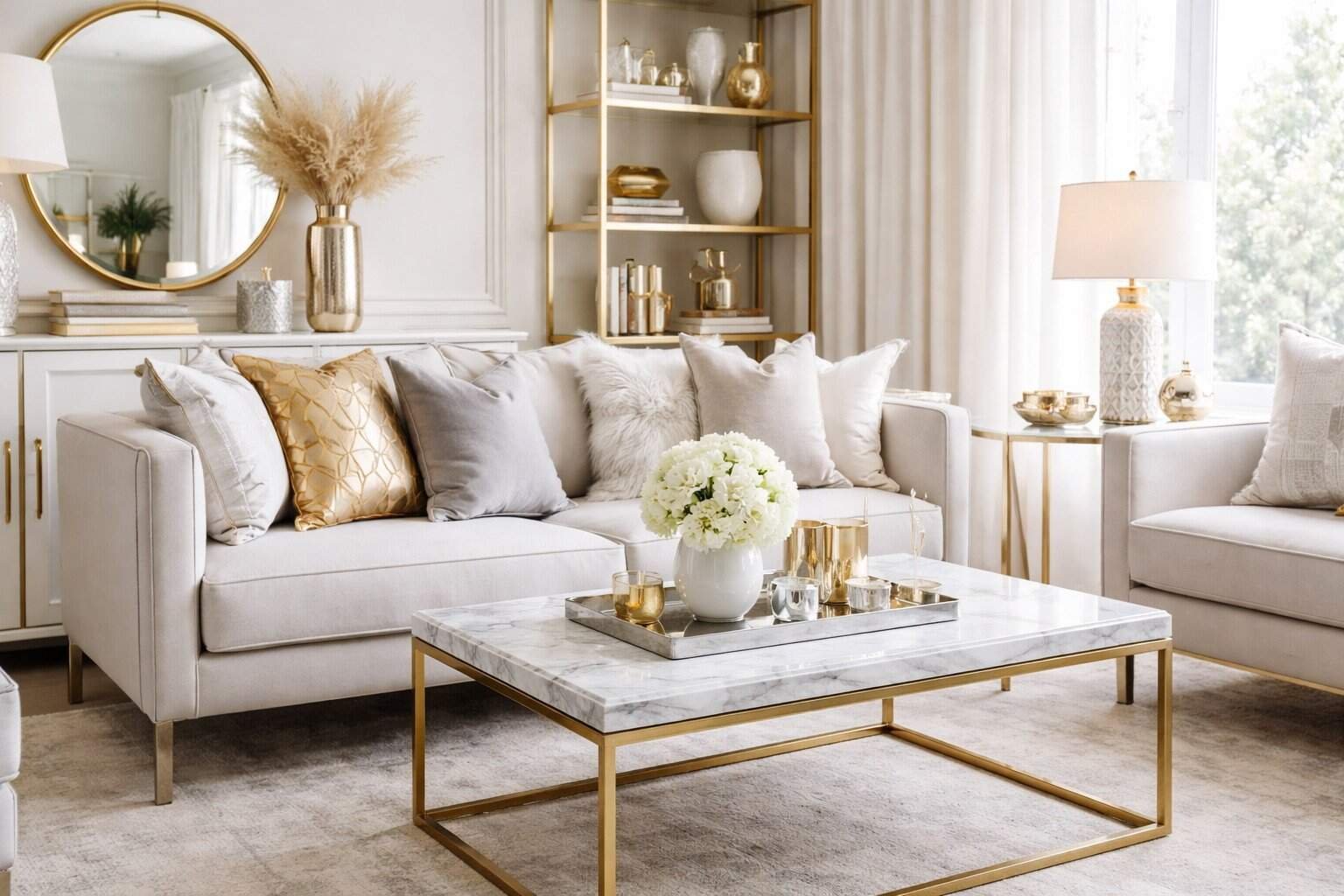

Can you mix gold and silver decor without breaking design rules or creating visual chaos? This question shows up often among homeowners who want flexibility without sacrificing style. Interior design once pushed strict matching, yet modern spaces thrive on contrast, layering, and personality. Mixed metals have become a hallmark of curated homes rather than a design mistake.
Today’s interiors focus on intentional choices, not rigid formulas. Gold brings warmth, elegance, and softness. Silver introduces coolness, clarity, and a contemporary edge. When both appear in the same space with balance, the result feels sophisticated instead of accidental.
Designers increasingly agree on one key fact:
- Mixed metals add depth
- Contrasting finishes feel more lived-in
- Perfect matches can look flat or staged
“A room should tell a story, not follow a rulebook,” notes many modern interior stylists. This mindset explains why mixed metallic decor continues to dominate high-end interiors and everyday homes alike.
In This Article
Can You Mix Gold and Silver Decor Without It Looking Mismatched?
Yes, you can mix gold and silver decor successfully when the approach feels deliberate rather than random. Mismatch only happens when metals compete instead of complementing one another.
Why Mixing Metals Works
- Gold reflects warm light, adding softness
- Silver reflects cool light, adding crisp contrast
- Combined metals create visual movement
Rooms that rely on a single metal often feel predictable. Mixed metals introduce subtle tension that keeps the eye engaged. Interior stylists frequently use this technique to avoid overly coordinated spaces.
How to Avoid a Cluttered Look
- Choose one dominant metal
- Use the second metal as an accent
- Repeat each metal at least twice
This repetition creates rhythm. A gold mirror paired with gold lamp bases, followed by silver cabinet hardware and silver trays, feels cohesive rather than chaotic.
Quick Comparison Table: Matching vs Mixing Metals
| Design Approach | Visual Impact | Overall Feel |
| Single metal decor | Clean but flat | Predictable |
| Mixed metal decor | Layered and rich | Intentional |
| Random metal use | Disconnected | Unbalanced |
Intent matters more than symmetry. Thoughtful placement always wins over strict uniformity.
The Design Psychology Behind Mixing Gold and Silver Decor
Understanding why mixed metals appeal visually helps explain their growing popularity. Gold and silver activate different emotional responses, which makes them powerful together.
Warm vs Cool Metal Tones
- Gold evokes comfort, luxury, and intimacy
- Silver suggests modernity, calm, and precision
Spaces that blend warmth and coolness feel complete. Rooms designed with only warm or only cool tones may feel one-dimensional.
Contrast Creates Depth
Visual interest increases when opposing elements interact. Designers rely on contrast to:
- Highlight focal points
- Prevent monotony
- Guide eye movement across a room
Mixed metals act as subtle anchors, helping furniture, textiles, and architectural details stand out naturally.
Why Mixed Metals Feel More Authentic
Homes evolve over time. Decor rarely arrives all at once. Mixing gold and silver mirrors real-life collecting, where items come from different eras and styles. This layered effect feels personal rather than staged.
“Perfect coordination feels artificial. Contrast feels human.”
That emotional response explains why can you mix gold and silver decor has shifted from a debated question to a confident design yes.
Key Design Principles That Make Mixing Gold and Silver Decor Successful
Successful interiors follow principles, not trends. Mixing metals works when guided by structure rather than impulse. Can you mix gold and silver decor beautifully? Absolutely—when these core rules are respected.
Establish a Clear Metal Hierarchy
Every room benefits from leadership. Choose one metal to dominate and allow the second to support it.
- Primary metal: appears in larger elements
- Secondary metal: shows up in smaller accents
This prevents visual competition and keeps the space grounded.
Use Repetition to Create Flow
Repeating metals creates rhythm, helping the eye move naturally around the room.
- Gold in lighting, frames, and accent objects
- Silver in hardware, trays, or sculptural decor
Repetition connects the space without forcing symmetry.
Keep Finishes Consistent
Mixing metals does not mean mixing every finish available. Stick to similar surface treatments.
| Finish Type | Works Well With | Avoid Pairing With |
| Brushed gold | Matte silver | High-gloss chrome |
| Antique gold | Soft satin silver | Mirror-polished steel |
| Champagne gold | Brushed nickel | Industrial aluminum |
Consistency in finish maintains elegance and avoids visual noise.
Can You Mix Gold and Silver Decor in Small Spaces?
Small spaces demand discipline. Mixed metals can enhance compact rooms when applied with intention rather than excess.
Why Mixed Metals Help Small Rooms
- Reflective surfaces increase light
- Contrast adds depth without clutter
- Metallic accents replace bulky decor
A studio apartment or powder room often benefits from metallic touches because they amplify available light and create visual expansion.
Best Practices for Compact Interiors
- Limit metallic pieces to three to five items
- Favor wall-mounted decor over surfaces
- Use mirrors framed in gold or silver
Subtle metallic accents keep the room feeling open rather than crowded.
Small Space Case Study
A 400-square-foot apartment used:
- Gold pendant lighting
- Silver cabinet handles
- Neutral furniture and textiles
The result felt elevated without overwhelming the layout. Balance, not abundance, made the difference.
Best Rooms Where You Can Mix Gold and Silver Decor Confidently
Some spaces naturally support mixed metals better than others. These rooms offer multiple layers where metallic contrast feels organic.
Living Rooms
Living rooms allow the most flexibility.
- Gold floor lamps
- Silver coffee table accents
- Mixed metal wall art
Layered lighting and decorative objects help metals coexist effortlessly.
Bedrooms
Bedrooms benefit from softer metallic use.
- Gold headboard details
- Silver bedside lamps
- Neutral bedding to ground the palette
This mix feels calming rather than flashy.
Kitchens and Bathrooms
Fixtures create a natural opportunity for metal blending.
- Silver faucets and appliances
- Gold cabinet pulls or lighting
- Stone or marble surfaces as neutral buffers
Designers often use kitchens and bathrooms as the safest spaces to explore mixed metals because functionality already dictates variety.
When metals serve a purpose, their contrast feels intentional.
How to Choose the Right Shades When Mixing Gold and Silver Decor
Shade selection determines whether mixed metals feel refined or overwhelming. Can you mix gold and silver decor successfully? The answer often depends on choosing the right tone, not just the metal type.
Understand Metal Undertones
Not all golds and silvers behave the same visually.
- Warm golds: champagne, brushed, antique
- Cool golds: bright yellow, high-gloss
- Soft silvers: brushed nickel, satin silver
- Cool silvers: chrome, polished stainless
Warm golds pair best with softer silver finishes. High-shine combinations tend to compete rather than complement.
Recommended Shade Pairings
| Gold Shade | Best Silver Match | Overall Effect |
| Champagne gold | Brushed nickel | Balanced and modern |
| Antique gold | Satin silver | Timeless and elegant |
| Soft brushed gold | Matte silver | Calm and cohesive |
| Polished gold | Soft silver | Controlled contrast |
These combinations prevent harsh reflections and create harmony.
Avoid Overly Shiny Combinations
Too much shine can feel flashy. Matte and brushed finishes diffuse light and look more intentional, especially in residential interiors.
Subtlety elevates mixed metal decor.
Furniture and Accessories That Help Blend Gold and Silver Decor
Furniture and accessories act as mediators between metals. They help mix gold and silver decor without drawing attention to the contrast itself.
Accessories That Naturally Unite Metals
- Decorative trays
- Picture frames
- Sculptural bowls
- Candle holders
Objects combining both metals in one piece create instant cohesion.
Furniture Details That Support Mixing
- Sofa legs in brushed metal
- Coffee tables with mixed metal bases
- Consoles with metallic trim
Metal appears as an accent rather than a focal point, keeping the room grounded.
Lighting as a Unifying Element
Lighting often includes multiple materials by design.
- Gold interiors with silver exteriors
- Mixed metal chandeliers
- Neutral lamp shades to soften contrast
Lighting serves both function and aesthetic, making it the easiest place to introduce mixed metals.
Good lighting makes mixed metals feel intentional rather than experimental.
Can You Mix Gold and Silver Decor With Other Materials?
Mixed metals thrive when supported by grounding materials. Neutral textures prevent the space from feeling overly reflective.
Best Materials to Pair With Mixed Metals
- Wood: adds warmth and organic balance
- Marble: introduces luxury without competition
- Glass: maintains openness and light flow
- Textiles: softens metallic edges
These materials act as buffers, allowing metals to coexist naturally.
Balanced Material Pairing Table
| Material | Effect on Mixed Metals |
| Wood | Warms cool silvers |
| Marble | Elevates both metals |
| Linen | Softens visual contrast |
| Leather | Adds depth and richness |
Design Tip
Limit metallic elements to 20–30% of visible decor. This ratio ensures metals enhance the room rather than dominate it.
Metals shine brightest when supported by texture.
Common Mistakes to Avoid When Mixing Gold and Silver Decor
Even though you can mix gold and silver decor, certain missteps can disrupt balance. Awareness of these mistakes helps maintain a polished, intentional look.
Using Too Many Metallic Finishes
Mixing gold and silver does not require adding chrome, brass, and bronze into the same space. Limiting metals keeps the design focused.
- Stick to two metals per room
- Keep finishes within the same sheen family
- Avoid mixing industrial and luxury finishes
Ignoring Scale and Placement
Oversized metallic pieces demand attention. Placing several large metallic items together can overwhelm the room.
- Large pieces: one metal only
- Smaller accents: secondary metal
- Even distribution prevents visual clustering
Overdecorating With Shine
Metallic overload causes fatigue. Rooms need moments of rest.
Negative space allows metals to stand out rather than fight for attention.
Styling Tips Designers Use to Mix Gold and Silver Decor Naturally
Professional designers rely on subtle strategies to make mixed metals feel effortless rather than forced.
Anchor Metals With Neutrals
Black, white, beige, and gray create visual stability.
- White walls highlight metallic contrast
- Black frames sharpen gold accents
- Neutral furniture grounds reflective surfaces
Group Metals Strategically
Grouping metallic items creates focal points.
- Coffee table styling with mixed metal objects
- Shelf vignettes using balanced proportions
- Console tables with mirrored symmetry
Odd-number groupings often feel more organic than perfect pairs.
Create Intentional Focal Points
Let one metallic moment shine rather than spreading metals everywhere.
Focus directs attention and prevents clutter.
Can You Mix Gold and Silver Decor in Different Design Styles?
Mixed metals adapt easily across design aesthetics. Style influences how metals appear, not whether they belong.
Modern and Contemporary Interiors
- Brushed gold lighting
- Matte silver hardware
- Clean lines and minimal decor
This combination feels sleek and current.
Transitional and Classic Homes
- Antique gold accents
- Satin silver fixtures
- Soft textures and layered details
Contrast adds freshness to traditional spaces.
Minimalist and Eclectic Styles
Minimalist rooms benefit from subtle metallic contrast, while eclectic homes embrace bold mixing.
| Design Style | Metal Approach |
| Minimalist | Controlled and sparse |
| Eclectic | Expressive and layered |
| Industrial | Silver-led with gold accents |
| Glam | Gold-dominant with silver highlights |
Style sets the tone, metals add character.
How to Update Existing Decor by Mixing Gold and Silver
Refreshing a space does not require a full redesign. Can you mix gold and silver decor using what you already own? Absolutely. Small, strategic updates often deliver the biggest visual impact.
Start With What’s Already There
Identify the dominant metal currently in the room.
- Gold-heavy rooms benefit from silver accents
- Silver-dominant spaces warm up with gold details
This approach preserves continuity while adding contrast.
Swap Small Accessories First
Accessories offer low-risk opportunities to experiment.
- Replace picture frames
- Add metallic trays or bowls
- Update lamp bases or candle holders
These changes instantly modernize a room without major investment.
Budget-Friendly Update Strategy
- Keep furniture unchanged
- Replace hardware or decor under $50
- Use mixed-metal accent sets
Thoughtful swaps often outperform expensive overhauls.
Final Thoughts: Can You Mix Gold and Silver Decor Successfully?
Can you mix gold and silver decor and still achieve a refined, stylish home? Without question. Mixed metals reflect how people actually live—layered, collected, and evolving over time.
Key takeaways worth remembering:
- One metal should lead, the other should support
- Finish consistency matters more than metal type
- Texture and neutral materials create balance
Homes designed with intention feel inviting rather than rigid. Mixing gold and silver introduces contrast, warmth, and personality when handled with care.
Interior design authorities, including guidance from Architectural Digest, continue to highlight mixed metals as a timeless approach rather than a passing trend. You can explore more expert insights on metal finishes and interior styling through their official design resources here:
https://www.architecturaldigest.com
Rules fade. Good design endures.

I’m the creator behind EasyDecora, a home–decor lover who enjoys discovering simple, beautiful ways to make every room feel cozy and intentional. I share practical tips, creative ideas, and inspiration for anyone who wants to build a home they truly love.