
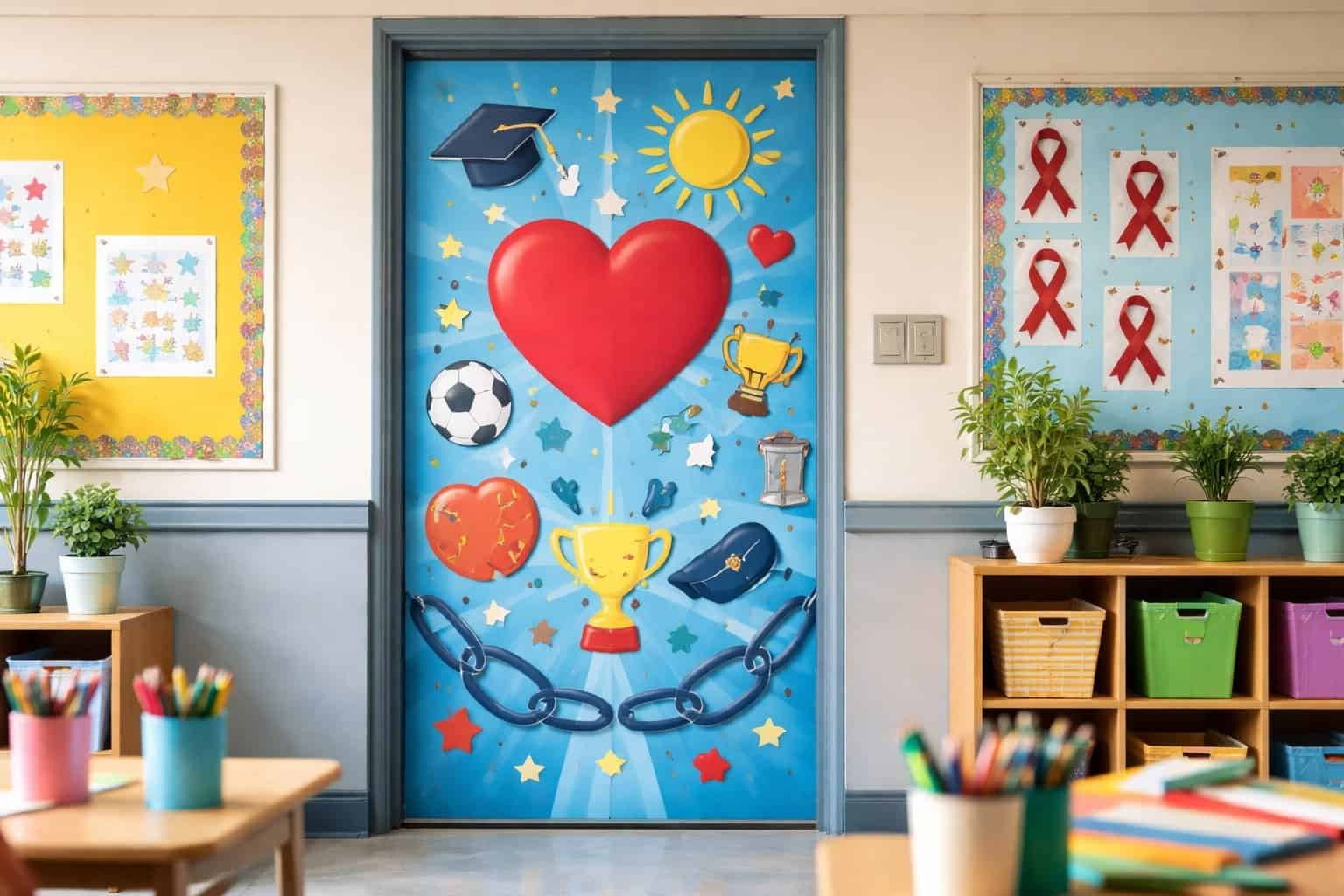

Say no to drugs door decoration ideas are more than colorful displays—they act as silent educators. A single door, when thoughtfully decorated, can communicate a powerful message about health, choices, and future goals. In schools and community spaces, doors become high-visibility platforms where students pause, read, and reflect, even if only for a moment.
A well-designed door decoration delivers clear anti-drug messaging without lecturing. Visual cues such as symbols, short phrases, and relatable imagery influence attitudes subtly yet effectively. According to educational psychology studies, students remember visual messages up to 65% longer than spoken information alone, making door decorations a valuable awareness tool.
“Prevention works best when messages are consistent, visible, and age-appropriate.” — School Health Education Journal
Common environments where these ideas work best include:
- School classroom doors
- Hallway and corridor entrances
- Counseling office doors
- Community youth centers
By setting the tone right at the doorway, educators and organizers reinforce the idea that choosing a drug-free life is normal, supported, and celebrated.
In This Article
Why Say No to Drugs Door Decoration Ideas Matter
Say no to drugs door decoration ideas play a direct role in shaping perception. Students encounter these displays daily, creating repeated exposure to positive messaging. That repetition builds familiarity, and familiarity builds acceptance.
Visual Messaging and Student Impact
Bright colors, strong symbols, and concise wording attract attention quickly. Visual messaging works especially well with younger audiences because it:
- Reduces reliance on lengthy explanations
- Appeals to emotion and logic at the same time
- Encourages discussion among peers
A door decorated with a bold “Your Future Is Worth Saying No” message can spark conversations that traditional posters may not.
Encouraging Positive Choices
Anti-drug messaging does not need fear-based tactics. Research from youth prevention programs shows that positive framing increases engagement by over 40%. Door decorations that highlight:
- Dreams
- Sports
- Health
- Academic success
help students associate drug-free choices with personal growth rather than restriction.
Supporting Awareness Campaigns
Door decorations also strengthen structured initiatives such as:
- Red Ribbon Week
- Drug-Free Awareness Month
- School wellness programs
Consistency across multiple doors reinforces the campaign message and creates a unified environment. When every door echoes the same theme, the impact multiplies.
Planning Effective Say No to Drugs Door Decoration Ideas
Effective planning ensures that say no to drugs door decoration ideas remain meaningful rather than decorative noise. Strategy matters as much as creativity.
Choosing Age-Appropriate Messages
Messages must align with the audience’s maturity level. Younger students respond better to simple visuals and clear language, while older students engage more with thought-provoking themes.
| Age Group | Recommended Message Style | Visual Focus |
| Elementary | Short phrases, cartoons | Smiles, hearts, stop signs |
| Middle School | Choice-based messages | Roads, signs, shields |
| High School | Goal-oriented statements | Graduation caps, careers |
Setting Clear Themes
A strong theme keeps the design focused. Popular and effective themes include:
- Health First: Emphasizing body and mind wellness
- Future Goals: Linking drug-free choices to success
- Strong Decisions: Empowering independence
Each theme should communicate one core idea, avoiding clutter or mixed messages.
Aligning Decorations With Goals
Every decoration should answer one question: What should students feel or think after seeing this door?
Clear objectives help guide design choices such as color, wording, and layout.
Planning checklist:
- Define the key message
- Select 1–2 supporting visuals
- Limit text to short, readable phrases
- Ensure visibility from a distance
Thoughtful planning transforms a simple door into a lasting reminder that saying no to drugs is a powerful, positive choice.
Popular Themes for Say No to Drugs Door Decoration Ideas
Strong themes give say no to drugs door decoration ideas clarity and emotional impact. A well-chosen theme helps students immediately understand the message without needing lengthy explanations. Visual consistency across theme, color, and wording also makes the display more memorable.
Healthy Body, Healthy Mind
This theme focuses on wellness and self-care. Students easily relate to ideas that connect daily habits with long-term health.
Key elements that work well:
- Illustrations of hearts, brains, and lungs
- Phrases like “Protect Your Body” or “Choose Health Every Day”
- Green and blue tones symbolizing vitality
Fact: Health-based prevention messaging has been shown to increase positive attitude shifts in youth by up to 32%, especially when visuals reinforce the message.
Dreams, Goals, and a Drug-Free Future
Linking drug-free choices to personal ambition makes the message aspirational rather than restrictive. This approach resonates strongly with older students.
Effective visuals include:
- Graduation caps, trophies, and career symbols
- Pathways showing two choices: drug-free vs. risky
- Words such as future, dream, goal, and success
“Your dreams don’t work if you don’t.”
This quote, when paired with imagery of progress, creates a lasting emotional connection.
Strong Choices and Peer Pressure Resistance
This theme empowers students to say no confidently. It emphasizes independence, courage, and self-respect.
Common symbols:
- Stop signs and shields
- Raised hands or crossed-out drug icons
- Bold typography with minimal wording
Messages centered on choice and strength help students feel supported rather than judged.
Creative Visual Elements for Say No to Drugs Door Decoration Ideas
Visual design determines whether a door decoration captures attention or fades into the background. Say no to drugs door decoration ideas benefit from bold, intentional design choices that communicate instantly.
Powerful Slogans and Short Messages
Short phrases outperform long paragraphs. The human brain processes concise text faster, especially in high-traffic areas.
Examples of effective slogans:
- “Choose Life. Choose No.”
- “Drug-Free Looks Good on You.”
- “One Choice Can Change Everything.”
Meaningful Symbols That Speak Without Words
Symbols convey messages across age groups and language barriers. When used correctly, they reduce the need for heavy text.
Highly effective symbols:
- Broken chains representing freedom
- Red stop signs signaling refusal
- Hearts symbolizing self-care
Color Psychology in Anti-Drug Displays
Color influences emotion and perception. Strategic color use enhances message retention.
| Color | Emotional Effect | Best Use |
| Red | Alert, caution | Warning symbols |
| Green | Health, growth | Wellness themes |
| Blue | Trust, calm | Encouraging messages |
| Yellow | Attention | Headlines and borders |
Combining two to three complementary colors keeps the design visually appealing without overwhelming viewers.
Easy DIY Say No to Drugs Door Decoration Ideas
DIY projects make say no to drugs door decoration ideas accessible, affordable, and customizable. Hands-on creation also increases emotional investment, especially when students participate.
Simple Materials With Big Impact
Basic supplies can create professional-looking results:
- Colored paper and poster boards
- Construction paper letters
- Markers, glue, and tape
Layering shapes and textures adds depth without complexity.
Hand-Drawn Art and Student Creativity
Student-created artwork brings authenticity to the message. Original drawings often resonate more than printed graphics.
Ideas include:
- Hand-drawn “choice paths”
- Personal goal illustrations
- Symbol-based murals
Italicized handwritten messages stand out visually and feel more personal.
Budget-Friendly Design Tips
Even with limited resources, creativity thrives:
- Reuse cardboard for backing
- Print black-and-white outlines and color them
- Use recycled paper for layered effects
Case Insight: Schools that involve students in decoration projects report higher engagement and stronger message recall, reinforcing the effectiveness of DIY approaches.
Using Quotes and Slogans in Say No to Drugs Door Decoration Ideas
Words matter. Carefully chosen quotes and slogans give say no to drugs door decoration ideas emotional weight and clarity without overwhelming the viewer. When text is concise and purposeful, it sticks.
Short, Impactful Phrases
Brevity increases recall. Students are more likely to remember phrases they can read in seconds.
Effective slogan characteristics:
- Fewer than 10 words
- Positive tone
- Action-oriented language
Examples that work well:
- “Choose You, Not Drugs.”
- “Drug-Free Is the Way to Be.”
- “Your Life. Your Choice.”
These statements avoid fear and focus on empowerment.
Positive Messaging Over Fear-Based Language
Fear-driven messages often cause resistance or avoidance. Positive reinforcement encourages confidence and self-worth.
Better alternatives:
- Replace “Drugs Ruin Lives” with “Healthy Choices Build Strong Futures”
- Replace warnings with encouragement
“The strongest no is the one you say for yourself.”
Quotes like this feel supportive rather than confrontational.
Typography and Layout for Readability
Text design affects how quickly messages are understood.
Best practices:
- Use bold fonts for key words
- Mix uppercase headlines with lowercase supporting text
- Maintain high contrast between text and background
Strategic spacing ensures messages remain readable from a distance.
Incorporating Student Involvement in Say No to Drugs Door Decoration Ideas
Student participation increases authenticity. When learners help create say no to drugs door decoration ideas, the message becomes personal rather than imposed.
Group Projects and Collaborative Design
Class-wide projects promote teamwork while reinforcing shared values.
Ideas include:
- Each student designing one symbol or word
- Small groups assigned to visuals, slogans, or layout
- Rotating responsibilities to encourage inclusion
Collaborative work also strengthens peer-to-peer influence, which is powerful during adolescence.
Art Contests and Voting
Friendly competition boosts enthusiasm and creativity.
Effective approaches:
- Host a slogan or artwork contest
- Display finalist designs on the door
- Allow students to vote anonymously
Insight: Schools using student-led designs report noticeably higher engagement during awareness campaigns.
Encouraging Ownership of the Message
Ownership increases accountability. When students see their work displayed publicly, pride reinforces the message.
Ways to highlight ownership:
- Add a small tag reading “Created by Students”
- Feature first names or class titles
- Rotate designs throughout the year
This approach transforms decoration into advocacy.
Safety and Sensitivity Tips for Say No to Drugs Door Decoration Ideas
Responsible design ensures say no to drugs door decoration ideas educate without causing discomfort. Sensitivity is essential, especially in diverse learning environments.
Avoiding Graphic or Triggering Imagery
Visuals should inform, not shock.
Avoid:
- Images of substances
- Depictions of harm or distress
- Overly dark or aggressive visuals
Instead, focus on symbols of strength, health, and hope.
Using Respectful and Inclusive Language
Language should never shame or single out individuals.
Guidelines:
- Use “choose” rather than “don’t”
- Avoid assumptions about personal experiences
- Emphasize support and community
Inclusive language builds trust and openness.
Following Age-Appropriate Content Guidelines
Content must align with school policies and student maturity levels.
Checklist for approval:
- Clear educational intent
- Positive tone
- Visual clarity
A thoughtful approach ensures that the message remains effective, supportive, and appropriate for all viewers.
Seasonal and Campaign-Based Say No to Drugs Door Decoration Ideas
Timing adds relevance. Aligning say no to drugs door decoration ideas with recognized events increases visibility and reinforces existing prevention efforts.
Red Ribbon Week Door Displays
Red Ribbon Week remains one of the most recognized drug-prevention campaigns in schools worldwide. Door decorations during this period should feel unified and purposeful.
Effective Red Ribbon Week elements:
- Red ribbons layered around a central message
- Statements such as “Proud to Be Drug-Free”
- Class or school-wide color coordination
Fact: Schools participating in Red Ribbon Week report noticeably higher student awareness when visual messaging is consistent across classrooms and hallways.
Drug-Free Awareness Month Themes
Monthly campaigns allow for deeper exploration of prevention topics without overwhelming students.
Suggested approaches:
- Weekly mini-themes (health, goals, choices)
- Rotating visuals to maintain interest
- Consistent headline message with changing supporting graphics
This approach keeps doors fresh while reinforcing the same core values.
Adapting Ideas for Special Events
Special events provide opportunities for creativity without straying from the message.
Examples:
- Sports week: linking drug-free choices to athletic performance
- Career day: connecting prevention to professional success
- Wellness fairs: emphasizing mental and physical health
Seasonal relevance helps students see the message as timely, not repetitive.
Final Tips for Successful Say No to Drugs Door Decoration Ideas
Effective say no to drugs door decoration ideas balance clarity, creativity, and purpose. A thoughtful final review ensures that the message lands as intended.
Keep Designs Clear and Uncluttered
Visual overload reduces impact. Simplicity strengthens communication.
Best practices:
- One main message per door
- Limited color palette
- Strong focal point
Refresh Displays Regularly
Rotating or updating decorations prevents message fatigue.
Update ideas:
- Change slogans monthly
- Swap visuals each campaign
- Highlight new student contributions
Consistency with variation keeps attention high.
Measure Impact Through Engagement
Success goes beyond appearance. Engagement reveals effectiveness.
Signs of impact include:
- Students stopping to read or interact
- Peer discussions sparked by the display
- Increased participation in prevention activities
For further guidance on youth drug prevention messaging and evidence-based approaches, refer to the National Institute on Drug Abuse, a trusted authority on prevention education:
https://nida.nih.gov
A well-planned door display does more than decorate a space—it quietly reinforces the belief that choosing a drug-free life is a strong, confident, and supported decision.

I’m the creator behind EasyDecora, a home–decor lover who enjoys discovering simple, beautiful ways to make every room feel cozy and intentional. I share practical tips, creative ideas, and inspiration for anyone who wants to build a home they truly love.