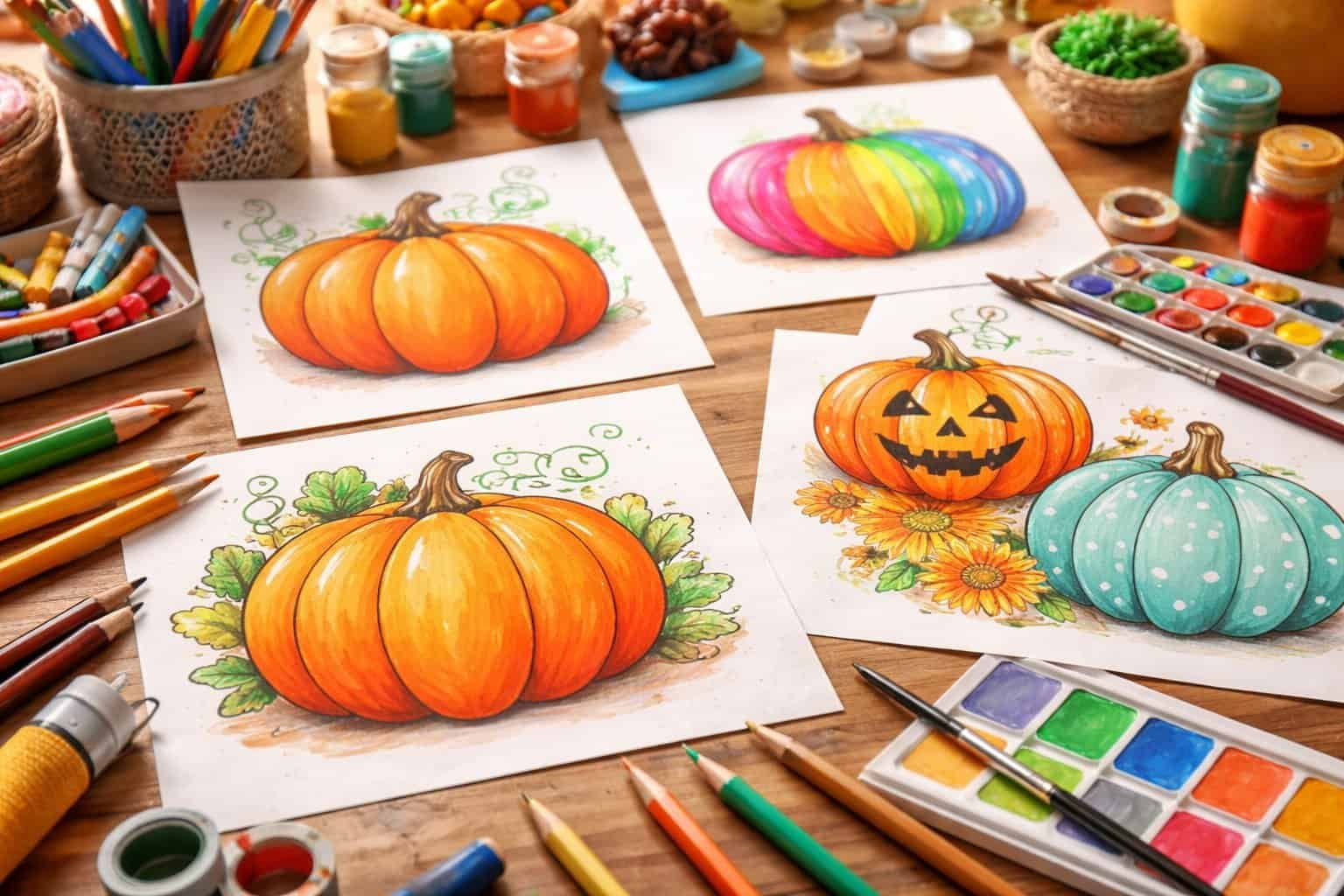

How to decorate a pumpkin on paper is more than a simple drawing activity—it’s a creative expression that blends art, imagination, and seasonal charm. Unlike carving real pumpkins, paper pumpkin decorating is mess-free, budget-friendly, and endlessly customizable. This makes it ideal for children, teachers, parents, and even adults who enjoy mindful, hands-on crafts.
Paper-based pumpkin decoration has grown in popularity, especially for:
- Fall and Halloween crafts
- School art projects
- Printable wall décor
- Creative relaxation and journaling
According to elementary art curriculum guidelines, paper crafts improve fine motor skills, color recognition, and creative problem-solving, especially in children aged 4–12. Adults also benefit, as drawing and coloring activities are proven to reduce stress and boost focus.
What makes decorating a pumpkin on paper special is the freedom it offers. No rules, no limits—just paper, tools, and imagination. From playful cartoon pumpkins to elegant patterned designs, every style has a place on paper.
“Art enables us to find ourselves and lose ourselves at the same time.” — Thomas Merton
This guide walks through the process step by step, starting with the right supplies and preparation so every design begins with confidence.
In This Article
Supplies Needed to Decorate a Pumpkin on Paper
Successful paper pumpkin decoration starts with choosing the right materials. The quality and type of supplies directly influence the final look, durability, and creative options of your artwork.
Essential Supplies
These basics work for beginners and advanced artists alike:
- Paper
- Sketch paper (lightweight, easy for pencil work)
- Construction paper (great for kids)
- Cardstock (ideal for display or greeting cards)
- Drawing tools
- Graphite pencils (HB or 2B for clean outlines)
- Erasers with fine edges
- Coloring tools
- Colored pencils for controlled shading
- Crayons for bold, child-friendly designs
- Markers for clean outlines and vibrant color
Optional Decorative Materials
Adding texture and dimension can elevate a simple pumpkin drawing into a standout piece:
- Glitter or glitter glue
- Washi tape for stripes and borders
- Craft paint (acrylic or watercolor)
- Stickers or paper cutouts
- Cotton, foil, or textured paper scraps
Supply Comparison Table
| Material Type | Best For | Skill Level |
| Sketch paper + pencils | Detailed pumpkin drawings | Beginner–Advanced |
| Construction paper + crayons | Kids’ crafts | Beginner |
| Cardstock + markers | Display art | Intermediate |
| Mixed media | Textured designs | Intermediate–Advanced |
Tip: Always test markers or paint on scrap paper first to prevent bleeding or warping.
Choosing the Right Pumpkin Shape for Paper Decoration
The foundation of decorating a pumpkin on paper lies in selecting the right shape. Shape determines style, mood, and difficulty level.
Popular Pumpkin Shape Styles
- Classic round pumpkin
Perfect for beginners and traditional designs. - Tall heirloom pumpkin
Works well for elegant or rustic themes. - Whimsical or cartoon pumpkin
Ideal for kids and playful art styles. - Asymmetrical pumpkin
Adds realism and artistic character.
Freehand Drawing vs. Templates
Both approaches work well, depending on experience and purpose:
Freehand drawing
- Encourages creativity
- Builds drawing confidence
- Allows custom proportions
Printable templates
- Ensures clean, consistent shapes
- Saves time in classrooms
- Ideal for group activities
Shape Selection Tips
- Younger children benefit from simple, wide shapes
- Detailed patterns work best on larger pumpkin outlines
- Narrow pumpkins suit vertical designs and lettering
Choosing the right pumpkin shape sets the tone for the entire artwork, making this step one of the most important in learning how to decorate a pumpkin on paper.
How to Decorate a Pumpkin on Paper: Drawing the Base Pumpkin
Creating a strong foundation is essential when learning how to decorate a pumpkin on paper. The base drawing determines how realistic, playful, or stylized the final artwork will appear.
Sketching the Pumpkin Outline
Begin with light pencil strokes to allow easy adjustments:
- Draw a wide oval or circle for the pumpkin’s body
- Add vertical curved lines from top to bottom to suggest natural pumpkin ridges
- Keep the curves uneven for a more organic look
Avoid pressing too hard at this stage. Soft lines make it easier to refine the shape without leaving marks.
Adding the Stem and Details
A pumpkin feels incomplete without a stem:
- Place the stem slightly off-center for realism
- Draw it thicker at the base and taper it upward
- Add subtle texture lines to mimic a real pumpkin stem
Small imperfections make paper pumpkins feel natural rather than flat or mechanical.
Outline Refinement Tips
- Trace final lines once satisfied with the shape
- Erase excess sketch marks carefully
- Thicken outlines using markers if a bold look is desired
“Great art begins with confident lines and thoughtful corrections.”
This structured approach builds confidence and keeps the decoration process smooth and enjoyable.
Coloring Techniques for Decorating a Pumpkin on Paper
Color brings personality and depth to paper pumpkin designs. Instead of filling the pumpkin with one flat shade, thoughtful coloring techniques create dimension and visual interest.
Classic Pumpkin Color Approach
Traditional pumpkins rely on layered tones:
- Light orange as the base color
- Medium orange for mid-tones
- Dark orange or brown for shadow areas
Apply color following the curved ridges, which helps reinforce the pumpkin’s three-dimensional form.
Shading for Depth and Realism
Effective shading transforms simple drawings into polished artwork:
- Darken the sides of each ridge
- Leave the center areas slightly lighter
- Add soft shadows beneath the stem
Colored pencils work especially well for blending. Crayons suit younger artists who prefer bold, solid coverage.
Creative Color Alternatives
Paper pumpkins do not need to be orange:
- Pastel pumpkins for soft, modern décor
- Rainbow pumpkins for playful art projects
- Black, white, or gold pumpkins for elegant designs
| Color Style | Mood Created |
| Orange & brown | Traditional fall |
| Pastel tones | Gentle and decorative |
| Bold neon | Fun and modern |
| Neutral shades | Minimal and artistic |
Color choice allows every paper pumpkin to tell a different visual story.
How to Decorate a Pumpkin on Paper with Patterns and Designs
Patterns elevate pumpkin drawings from simple sketches to statement artwork. This step is where creativity truly shines.
Popular Pattern Ideas
- Polka dots and stripes
- Zigzags and chevrons
- Swirls and spirals
- Leaf and vine motifs
Patterns should follow the pumpkin’s curves rather than cutting straight across.
Balancing Design Elements
Overcrowding can overwhelm the drawing:
- Leave negative space between patterns
- Use one dominant pattern and one supporting detail
- Keep spacing consistent across the pumpkin
Combining Patterns Thoughtfully
Mixing patterns adds interest when done with intention:
- Pair bold patterns with subtle textures
- Limit designs to two or three styles per pumpkin
- Use thin lines for complex patterns
Patterns give personality to paper pumpkins, turning them into expressive works of art rather than simple drawings.
Adding Facial Expressions and Characters to Paper Pumpkins
Facial expressions bring emotion and storytelling into pumpkin artwork. When learning how to decorate a pumpkin on paper, adding a face instantly transforms a simple shape into a character with personality.
Classic Jack-o’-Lantern Faces
Traditional pumpkin faces remain popular for a reason:
- Triangle eyes and noses
- Wide, toothy smiles
- Crescent-shaped or jagged mouths
These designs work especially well for Halloween-themed projects and younger artists.
Cute and Playful Pumpkin Expressions
Not every pumpkin needs to look spooky. Friendly designs appeal to children and decorative art lovers:
- Rounded eyes with highlights
- Small button noses
- Soft smiles or surprised expressions
Adding eyelashes, rosy cheeks, or freckles creates warmth and charm.
Character-Inspired Pumpkins
Paper pumpkins can become characters with a few thoughtful additions:
- Animal features such as ears or whiskers
- Hats, bows, or scarves
- Glasses or facial hair
“When a pumpkin has a face, it stops being an object and starts telling a story.”
Keep expressions proportional to the pumpkin’s size to maintain balance and visual clarity.
Creative Themes for Decorating a Pumpkin on Paper
Themes help guide design choices and keep artwork cohesive. Choosing a theme early makes decorating smoother and more intentional.
Seasonal and Holiday Themes
Fall-inspired designs remain timeless:
- Autumn leaves and acorns
- Harvest colors like rust, mustard, and olive
- Halloween motifs such as bats or stars
These themes pair well with warm color palettes and natural textures.
Artistic and Decorative Themes
Paper pumpkin decoration also suits creative and modern spaces:
- Floral-pattern pumpkins for wall art
- Minimal line-art pumpkins
- Boho or farmhouse-inspired designs
Age-Specific Theme Ideas
| Age Group | Theme Style |
| Preschool | Smiling pumpkins, bright colors |
| Elementary | Patterned and expressive designs |
| Teens | Stylized, trendy pumpkins |
| Adults | Elegant, muted, artistic pumpkins |
Themes help transform individual pumpkins into cohesive collections or displays.
How to Decorate a Pumpkin on Paper Using Mixed Media
Mixed media adds depth, texture, and uniqueness to paper pumpkin artwork. This technique involves combining different materials creatively.
Popular Mixed Media Combinations
- Crayons with watercolor washes
- Markers with colored pencil shading
- Paper collage layered onto pumpkin shapes
Each combination produces a different visual effect and tactile quality.
Adding Texture and Dimension
Simple materials can create striking textures:
- Cotton for fluffy highlights
- Aluminum foil for metallic shine
- Tissue paper for layered depth
Attach elements using glue sticks or craft glue, ensuring paper remains flat and secure.
Best Practices for Mixed Media
- Work in layers, allowing each to dry
- Avoid heavy glue that may wrinkle paper
- Keep color harmony consistent
Mixed media techniques turn flat paper pumpkins into engaging, multi-dimensional artwork.
Decorating a Pumpkin on Paper for Kids’ Activities
Paper pumpkin decorating works exceptionally well for children because it blends creativity with skill development. When teaching how to decorate a pumpkin on paper to kids, simplicity and enjoyment matter more than perfection.
Easy Pumpkin Decorating Steps for Children
Clear steps keep young artists engaged:
- Start with a large, simple pumpkin outline
- Use crayons or washable markers
- Encourage bold colors and free expression
Simple instructions reduce frustration and help children focus on creativity.
Educational Benefits of Paper Pumpkin Crafts
Art educators often use pumpkin projects to support learning goals:
- Strengthens fine motor skills
- Improves hand–eye coordination
- Reinforces color recognition and pattern awareness
Studies in early childhood education show that themed drawing activities increase attention span by up to 30% during structured art time.
Classroom and Group Activity Ideas
- Pumpkin-decorating stations with different supplies
- Group pumpkin murals on poster paper
- Story-based pumpkin drawing prompts
Paper pumpkins allow children to learn through play while developing artistic confidence.
Advanced Paper Pumpkin Decoration Ideas for Teens and Adults
More experienced artists can explore detail-driven approaches that elevate pumpkin drawings into refined artwork.
Realistic Shading and Highlights
Achieving depth requires careful layering:
- Darken ridge edges gradually
- Blend mid-tones using circular strokes
- Add white pencil or gel pen highlights
Patience during shading creates a lifelike finish without overwhelming the design.
Lettering and Decorative Typography
Pumpkins offer a unique surface for text:
- Hand-lettered fall quotes
- Names or short phrases
- Script, serif, or modern fonts
Curved lettering that follows the pumpkin’s shape maintains visual harmony.
Background Enhancements
Backgrounds add context without stealing focus:
- Light washes of sky or leaves
- Simple borders or frames
- Shadow grounding beneath the pumpkin
Advanced designs balance detail with restraint, allowing the pumpkin to remain the focal point.
Common Mistakes to Avoid When Decorating a Pumpkin on Paper
Even simple projects benefit from mindful execution. Avoiding common pitfalls improves overall results.
Design and Layout Errors
- Overcrowding the pumpkin with too many elements
- Ignoring spacing between patterns
- Misaligned facial features
Color and Technique Issues
- Using too many unrelated colors
- Heavy pressure causing paper damage
- Skipping light sketching before final lines
How to Fix Mistakes Gracefully
| Mistake | Simple Fix |
| Smudged lines | Use eraser shields or white gel pens |
| Uneven shading | Layer lighter tones over dark areas |
| Overworked design | Add background to balance |
Recognizing mistakes early allows adjustments that strengthen the final artwork.
Displaying and Using Your Paper Pumpkin Decorations
Paper pumpkin artwork deserves to be enjoyed, not tucked away. Thoughtful display ideas give purpose to the time spent learning how to decorate a pumpkin on paper and turn simple drawings into seasonal décor.
Creative Ways to Display Paper Pumpkins
Decorated pumpkins on paper adapt easily to many settings:
- Wall art: Frame finished pieces or hang them with clips for a fall gallery wall
- Garlands and banners: Cut out pumpkins and string them together with twine
- Greeting cards: Fold cardstock and feature a decorated pumpkin on the front
- Bullet journals and planners: Use smaller pumpkin drawings as themed accents
Homes, classrooms, and offices benefit from paper decorations because they are lightweight, reusable, and easy to store.
Practical Uses Beyond Decoration
Paper pumpkins also serve functional purposes:
- Visual aids for teaching fall themes
- Craft fair or school display projects
- Seasonal placemats or table décor
- Memory keepsakes for children’s artwork
Displaying artwork reinforces creativity and builds pride in the finished result.
Final Thoughts on How to Decorate a Pumpkin on Paper
Learning how to decorate a pumpkin on paper opens the door to creative freedom without pressure or limitations. Paper pumpkin decorating suits every age group, skill level, and artistic style, making it one of the most accessible seasonal crafts available.
Successful paper pumpkin art relies on a few key principles:
- Strong base shapes
- Intentional color choices
- Balanced patterns and details
- Willingness to experiment
Confidence grows with practice, and no two pumpkins ever need to look the same. Each design reflects individual imagination, mood, and creativity.
For additional inspiration rooted in art education and creativity development, resources from The National Art Education Association provide valuable insights into the benefits of hands-on art activities for all ages:https://www.arteducators.org
Paper pumpkins may begin as simple drawings, yet they often become meaningful expressions of creativity, celebration, and personal style 🎃✏️

I’m the creator behind EasyDecora, a home–decor lover who enjoys discovering simple, beautiful ways to make every room feel cozy and intentional. I share practical tips, creative ideas, and inspiration for anyone who wants to build a home they truly love.